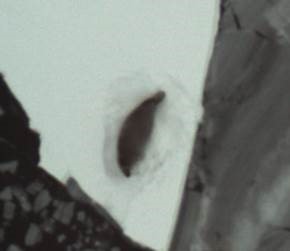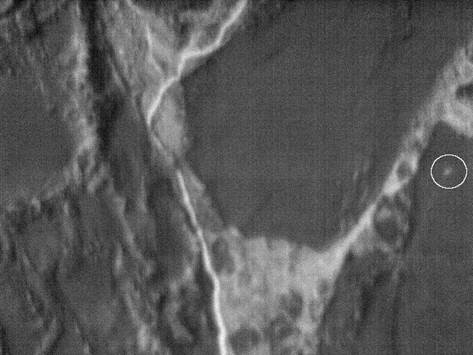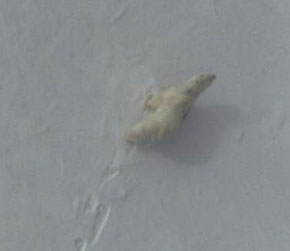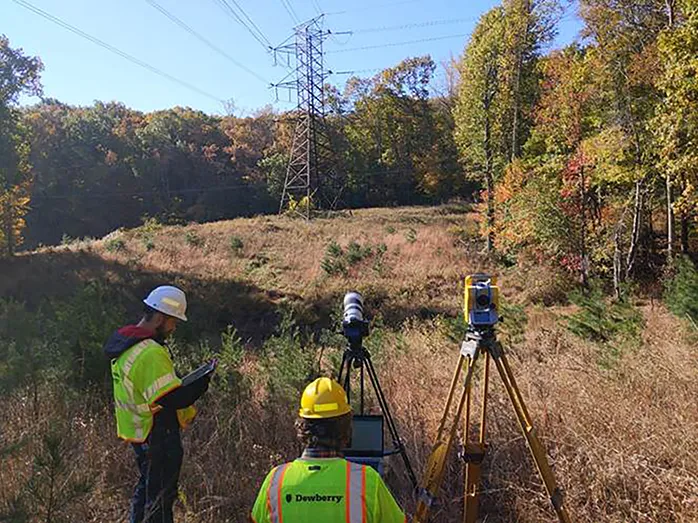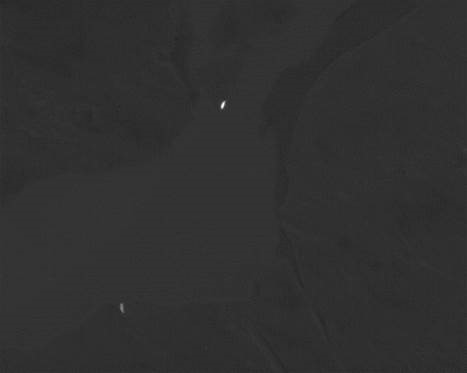
Dewberry has been awarded a remote sensing contract in North Slope, Alaska, as part of the Chukchi and East Siberian Surveys (ChESS) project. This cooperative project involving U.S. and Russian scientists will identify ice-dwelling arctic seals and polar bears. Dewberry will oversee the project and offer an aircraft suitable to acquire a real-time data stream from advanced thermal imaging and high-resolution digital cameras to identify areas of significant wildlife presence and gather data for abundance estimates.
The collected wildlife data will aid conservation efforts in response to potential environmental impacts of oil and gas activities and climate change. The surveys will be used by the National Oceanic and Atmospheric Administration (NOAA) Fisheries’ Alaska Fisheries Science Center to provide the first reliable estimates for ringed and bearded seals in the U.S. portion of the Chukchi Sea since 2000. The polar bear data will complement existing U.S. Fish and Wildlife Service mark and recapture efforts.
Each 1,300-square-foot image will be collected via aircraft at an altitude of 1,000 feet to maximize geographical coverage while minimizing wildlife disturbance. The survey will take place over three months during the animals’ reproductive and molting seasons when warm body temperatures and color patterns are clearly visible. Dynamic Aviation will design and fabricate survey mounts and computer racks, perform test flights, and transport team members.
Located almost midway between Alaska to the east and Russia to the west, the 230,000-square-mile Chukchi sea has an average depth of 77 meters and is known for containing an estimated 30 billion barrels of untapped oil and natural gas. The 936,000-square-mile East Siberian Sea, located above Russia’s northeastern most point, is among the least studied bodies of water due to its remoteness and severe climate.
The project was awarded by the Alaska Fisheries Science Center’s Marine Mammal Laboratory, the NOAA’s National Marine Fisheries Service, and the U.S. Department of Commerce.