
In the past few weeks, the Massachusetts Department of Environmental Protection (MassDEP) has published new regulations that may impact local wastewater collection systems and public water suppliers. The new water supply regulations, referred to as the Sustainable Water Management Initiative (SWMI), could redefine the responsibilities of local water suppliers.
Quick Summary of the MassDEP Water Regulations
As John Moynier discussed in his recent blog, many western U.S. water suppliers may recognize a number of these policies, such as safe yield methodologies, requirements to minimize supply impacts to flow-depleted watersheds, and mitigation requirements surrounding additional water withdrawal. However, there are some novel mandates that water/wastewater industry professionals should be aware of, like the biological categorization of waterways based on fish species and other streamflow criteria.
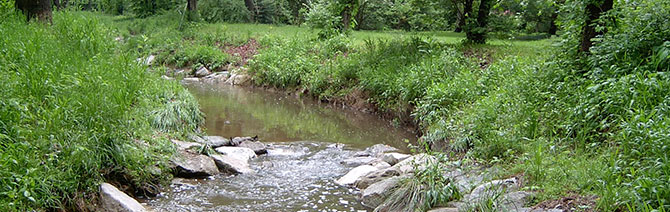
This may sound confusing, but it’s an attempt to make sure that increased groundwater demands don’t impact wildlife levels in nearby streams. If water levels drop, fish populations could drop with it. The focus of these regulations goes beyond the water distribution lifecycle and takes into account how it impacts the surrounding ecology.
An Even Quicker Summary of the MassDEP Wastewater Regulations
The new regulations require wastewater collection system owners to:
- Control the discharge of fats, oils, and grease into the sewer system
- Develop and implement an ongoing program to control infiltration and inflow to sewers
- Conduct inspections of wastewater pump stations
- Submit an annual report detailing all annual sewer extensions and connections
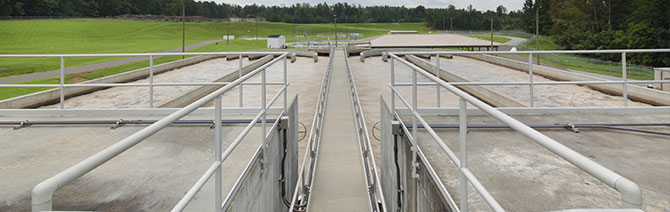
A portion of these regulations focus on infiltration and inflow, or I/I, which deals with lessening the impacts of combined sewer overflows, improving groundwater, and recharging the watersheds. When stormwater flows into sewer systems, it’s carried down to wastewater treatment plants where it’s treated unnecessarily or overflows with sewage during large storm events. Not only does this put more strain on the stations and treatment process, it also does nothing to help replenish groundwater levels.
Redefining Water Utility Responsibilities
With these regulations, the responsibilities of water suppliers will expand from the reliable delivery of quality water to environmental improvement projects. If water providers aren’t prepared to adapt quickly, the compliance repercussions, review board inspections, and funding challenges could impact community growth and master planning.
Fortunately, $1 million in grant funding is being offered per year as part of MassDEP’s SWMI program. The key is to partner with water supply engineering experts who work well with environmental and natural resource departments, and have experience in obtaining grant funding.
It’s an interesting look at how the future of water regulations may evolve, and perhaps is a showcase of what other state water utilities should prepare for as industry responsibilities shift towards ecological sustainability.
About the Authors
Michael Pelletier