When designing schools, safety for all occupants is of the utmost importance. This is a top priority for our team, and we integrate security discussions from the start. Through conversations with clients and collaboration with designers, we can create a plan to implement security technologies in a way that seamlessly integrates with the building’s overall design.
How Do We Create a School Security Plan?
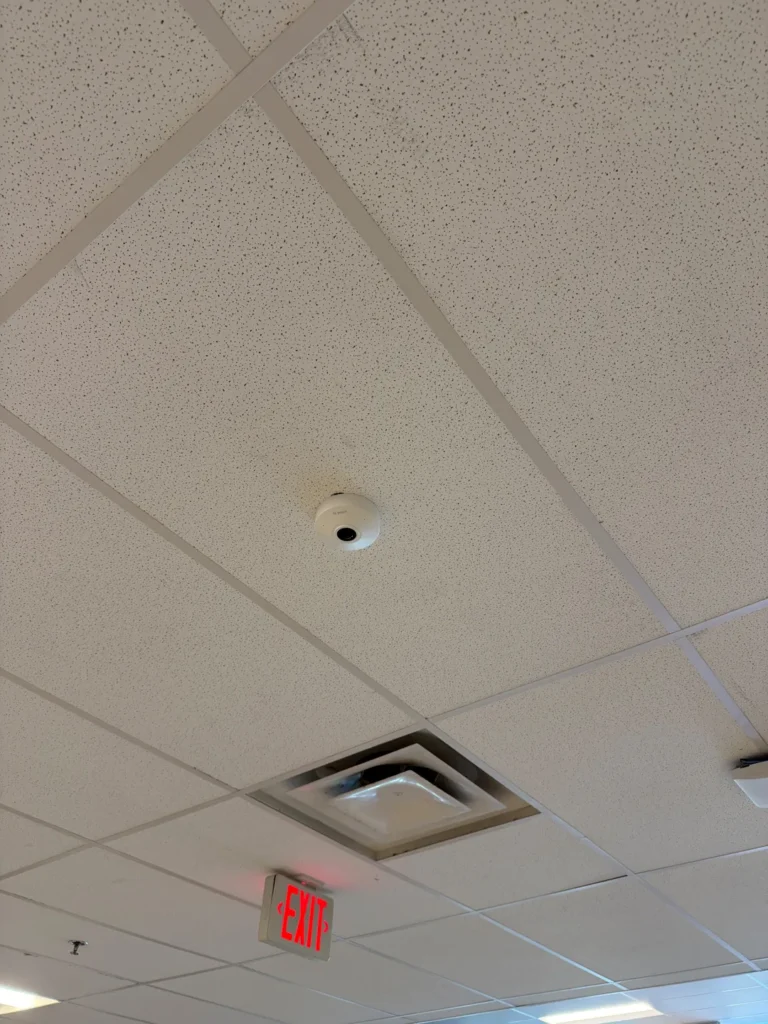
After understanding our client’s goals, we often start with a common technique called wayfinding. This uses a system of passive site design strategies to direct people, so that if anyone veers from the path, it is easily recognizable as potentially suspicious activity. Examples include designated staff and visitor parking lots or separate faculty and public entrances. We incorporate elements of wayfinding and layer these with additional technology as needed, which could include things like security cameras, key fob-controlled accessways, and ballistic glass or films on windows and doors.
Security technology is designed to be discrete yet effective, creating a safer environment without inducing fear.”
Josh Bennett and Nathan Custer
As with many building systems, we design the security parameters and specifications as soon as possible. Once we meet with the clients, we work closely with the security process creators to convey their needs and the required technology. Since security systems are relatively expensive, we also collaborate with the designers to explore small changes in the building layout that could save costs. For example, one hallway layout could require multiple security cameras to achieve full coverage, but a different design may only need one, reducing spending for our clients.
What Are Some Examples of School Security Technology in Action?
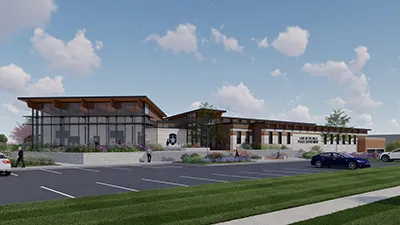
Our firm provided mechanical engineering, electrical engineering, and technology design services for a K-12 school for the blind. Due to the special needs of the students, there were unique circumstances for this project that required a customized approach to building security. In the past, classroom doors remained open throughout the day to create ease of access for those with visual impairments. Since this poses significant security risks, our team designed a system that automatically locks the doors when the school enters lockdown mode. We also programmed specific doors to remain unlocked unless manually locked by pressing a door lock button from the inside, providing safe spaces for anyone who may be in the hallways during a lockdown. Only faculty and students know these locations.
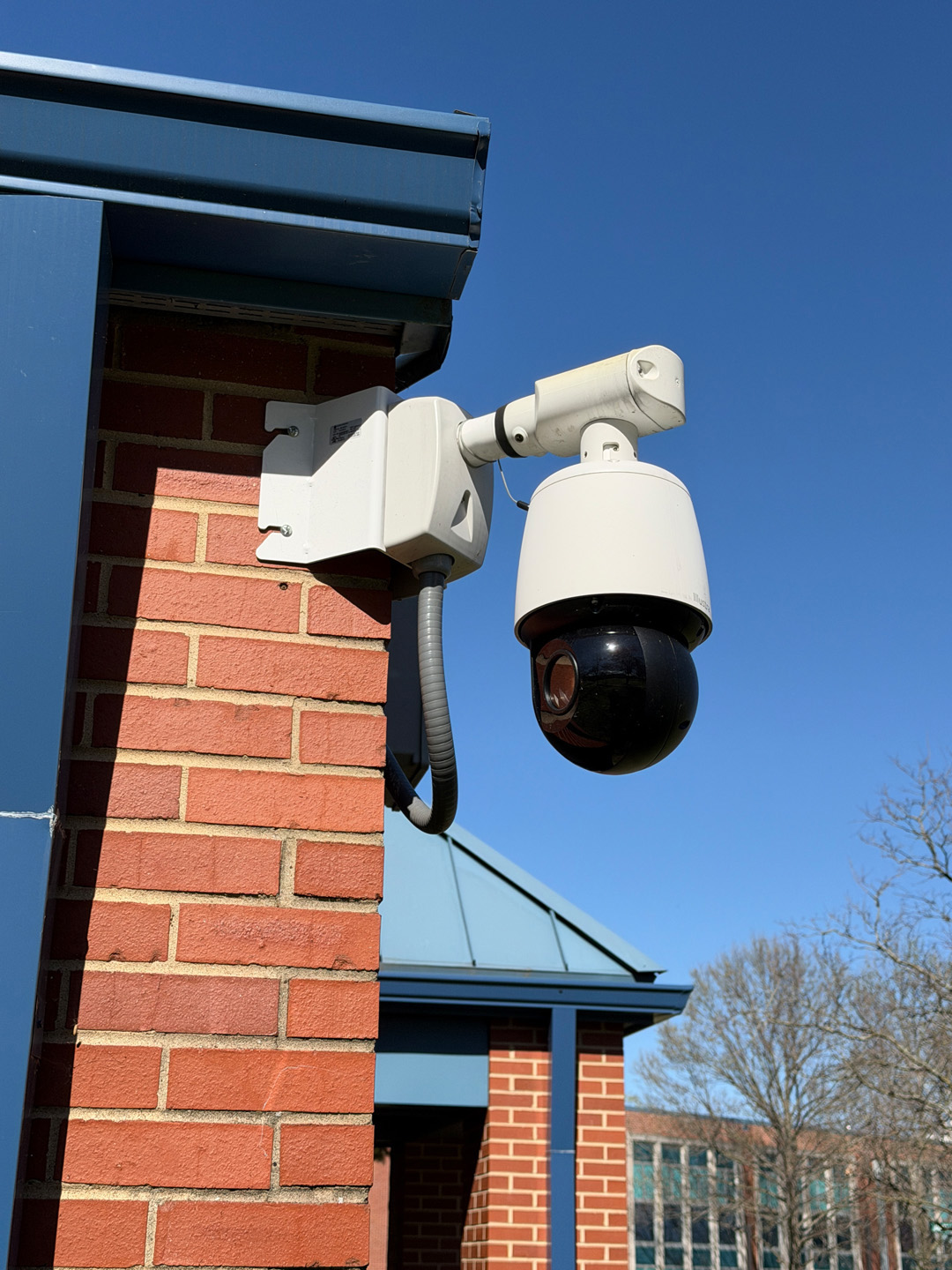
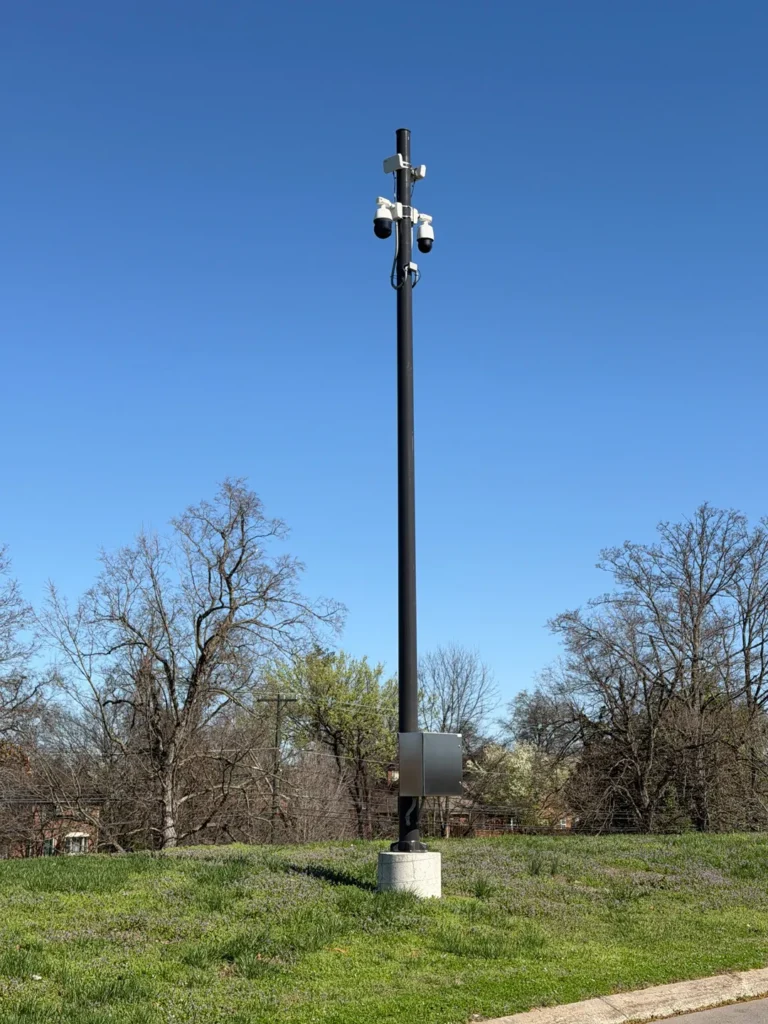
Outside of the school, we used advanced technology to automate security procedures. Building-mounted pan, tilt, and zoom (PTZ) cameras and radar detection systems provide automated object identification and motion tracking. Interior cameras contain edge analytics software, which can detect raised voices or physical objects and immediately elevate the threat to campus security or even outside authorities. This eliminates the step of a teacher noticing and reporting the problem, creating faster response times.
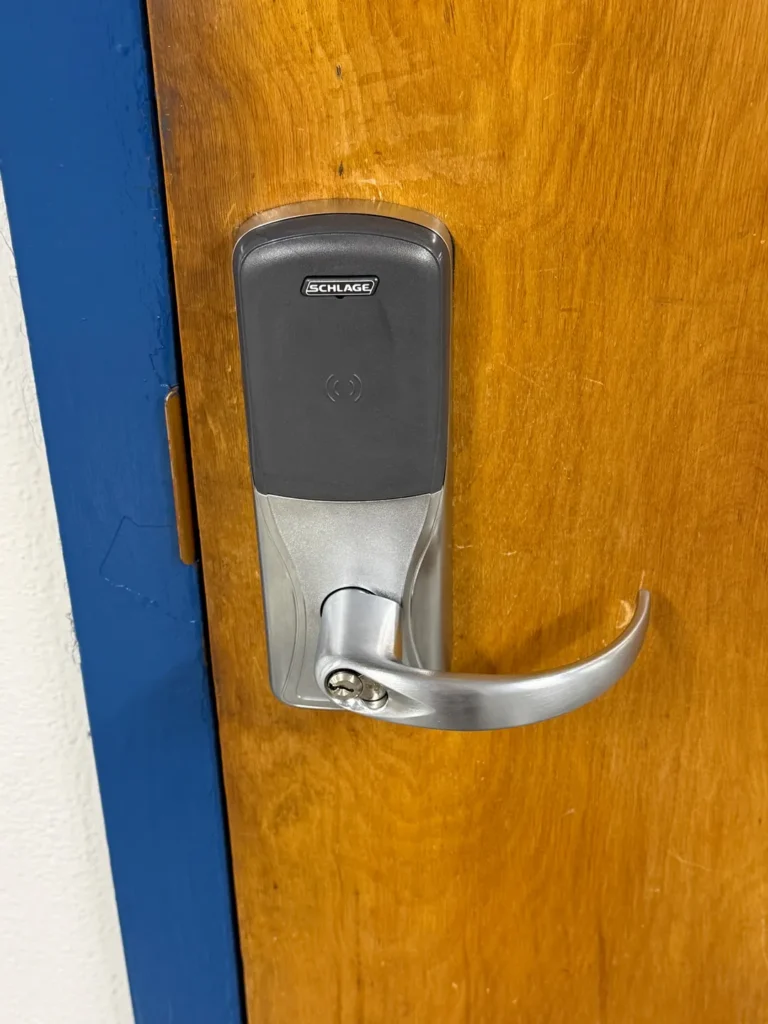
In the lobby area, we designed a multi-stage entry process to further increase security. Visitors must ring a video doorbell at the exterior door and wait for a security officer to let them in. Inside, they face a second door with a card reader, requiring a staff member with a keycard to grant them entry. Together, these techniques facilitate a secure and safe campus for the students to learn.
What Are the Future Trends for School Security Technology?
School security will be approached with a heightened intentionality, and technology will continue to advance in terms of capabilities and appearance. Strict access controls and exterior cameras will soon be standard for K-12 schools. New laws will require mobile communications systems for teachers, and we are beginning to incorporate systems into our design packages to support future code compliance. We will also see more aesthetically normal security features that blend into the school environment, creating a softer and friendlier look. Weapons detectors are becoming increasingly used compared to traditional metal detectors; these devices are more decorative and therefore less obvious to the eye. They offer more accurate results by distinguishing safe objects from potential threats based on the shape, size, and density of the metals. In addition, artificial intelligence technology is expanding and can alert police as soon as an issue is visible. As we look to the future, school security will continue to be a top priority for our education market sector, and we are committed to protecting the safety of our communities.
About the Authors

Josh Bennett