Over the years, healthcare facilities in New Jersey have faced a variety of challenges from the devastation of numerous named hurricanes, delays with funding and action, and most recently, a global pandemic. So how are we working to combat some of these issues and make our healthcare facilities more resilient?
Reliability and Need for More Power
Like the rest of the world, New Jersey healthcare facilities are facing uncharted territories when it comes to patient capacity, electrical power, and the ability to keep projects moving. With much of the focus of government agencies and healthcare executive boards on keeping hospital capacity for COVID-19 patients open, it has been difficult to maintain capital funding revenue streams from being consumed by other competing expenses and keep important facility improvement projects moving forward.
The onset of the pandemic has only exacerbated issues that have been facing the healthcare community within the state for years. Certain areas of New Jersey have been impacted by hurricanes over time and have experienced significant power outages. When combined with power line maintenance issues and the age of electrical systems, healthcare facilities are facing an increased risk of losing power. In general, the reliability of power is decreasing, which is a risk that essential facilities like hospitals cannot burden.
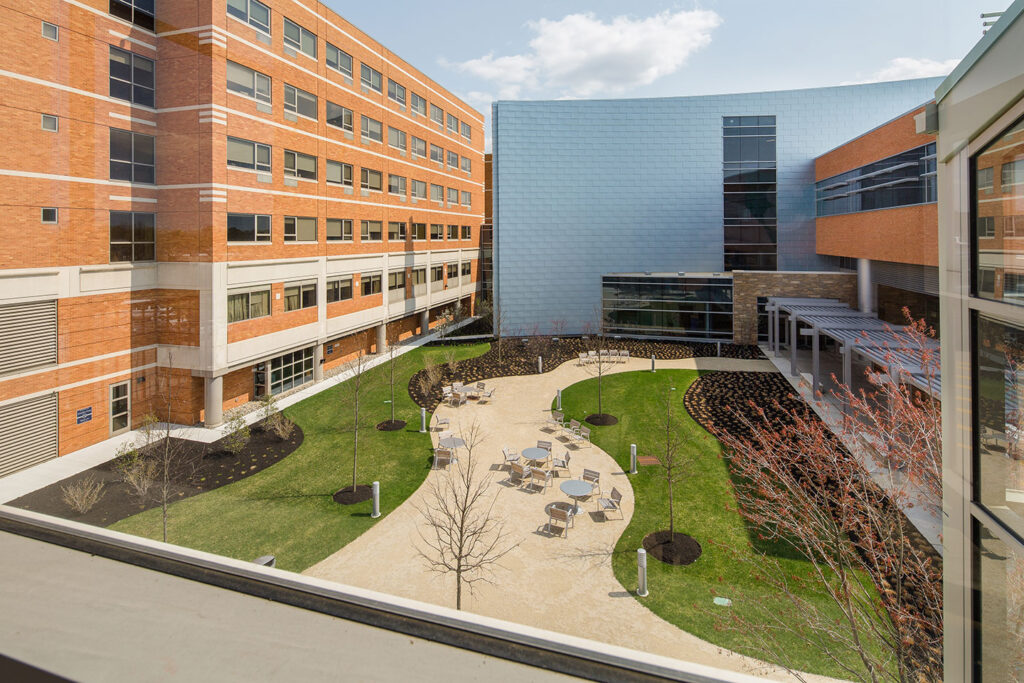
To decrease the significant impact of these power outages, many facilities have opted to replace aging generator infrastructure, add emergency power generator capacity to their current system, or install multiple independent normal power utility feeders to their facility.
While generators are not new to the healthcare industry, the dependence and need for adaptability have increased. Because of the uncertainty and the inability to be without power, facilities have been focusing on redundant power. We are working to assist our healthcare clients with moving projects forward that will allow for more reliable normal and emergency power, especially as we continue to battle the uncertainty of the pandemic and its everchanging healthcare needs.
We are working to assist our healthcare clients with moving projects forward that will allow for more reliable normal and emergency power, especially as we continue to battle the uncertainty of the pandemic and its everchanging healthcare needs.”
Mario Iannelli and Jamie Mandala
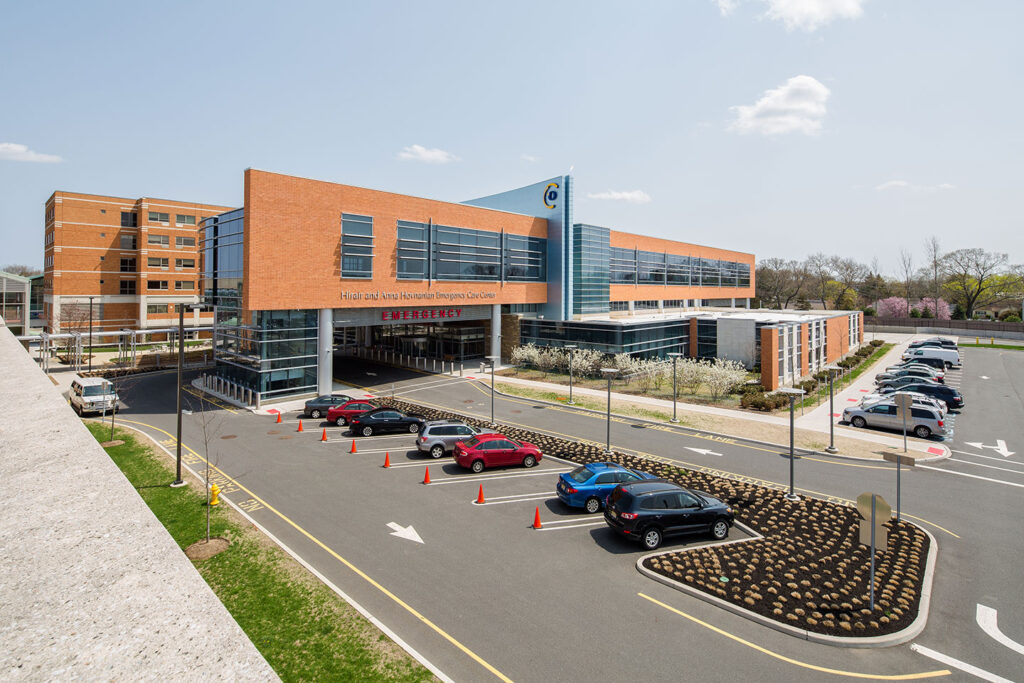
Getting Ahead of the Curve
We are actively working to stay ahead of these issues to navigate and expedite the site plan approval process. We work closely with healthcare system leadership and facility managers that are familiar with the day-to-day operations in order to design a site-specific redundancy of power to reduce uncertainties.
As land development and site engineers, we are using our healthcare and institutional design expertise and knowledge to work with these facilities to keep essential projects moving forward. We are able to navigate local, county, and state review agencies to expedite the permitting process and help projects move smoothly and efficiently through the required approvals. We are seeing unprecedented support within the regulatory jurisdictions, whether for wetlands, flood hazard areas, coastal areas or local zoning, to safely and efficiently move these critical projects forward for construction. These projects allow the implementation of upgraded solutions in healthcare facilities throughout the state in order to help them reduce further disruptions and improve resilience.
About the Authors
Mario Iannelli