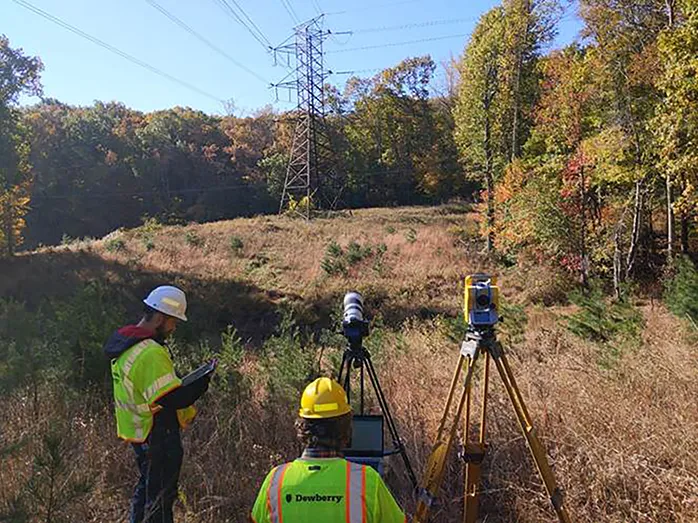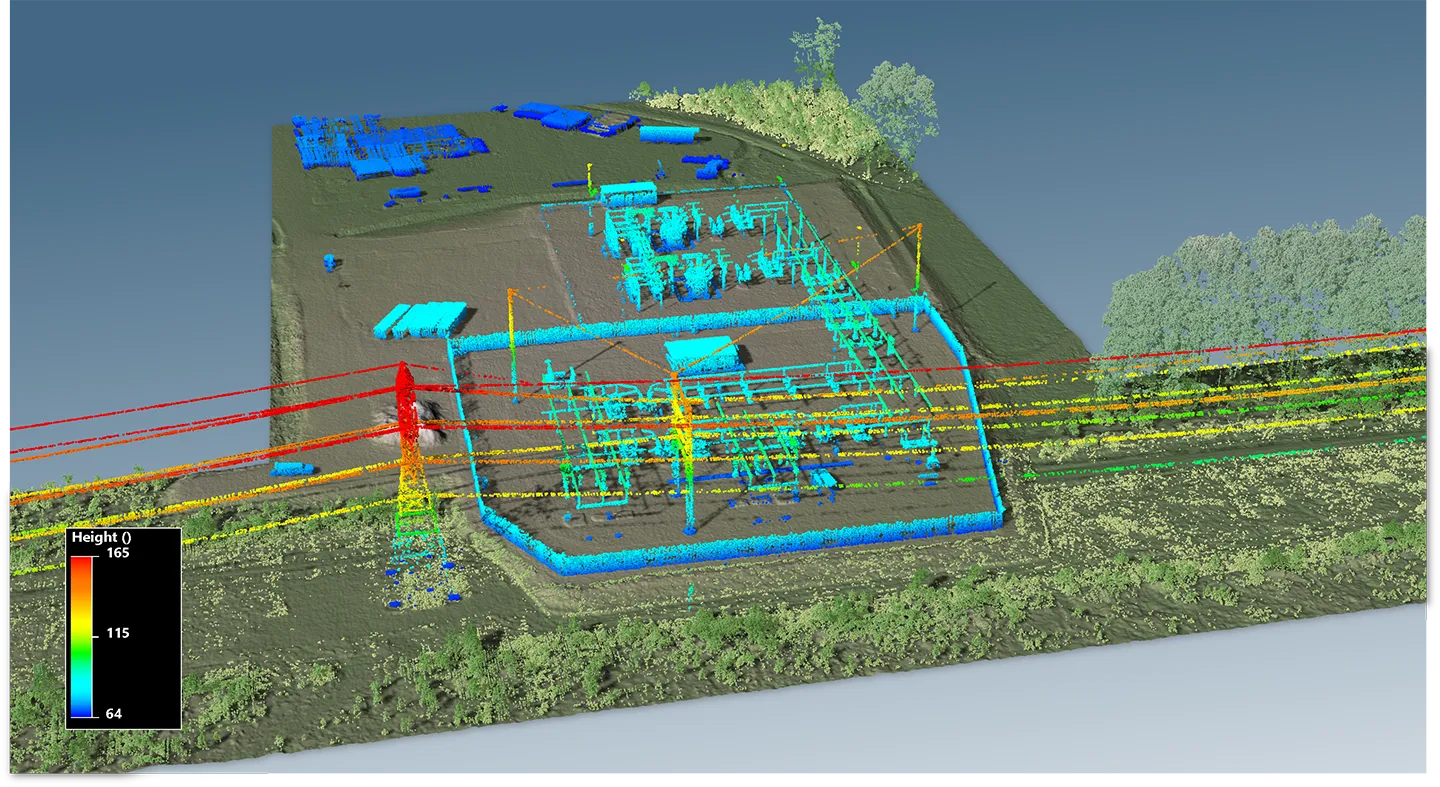
The undergrounding of distribution lines (less than 69kV) and high voltage transmission lines (above 69kV) continues to grow in the U.S., particularly in urban and suburban areas. It’s estimated that only two percent of high voltage transmission lines are underground in the U.S. Government agencies, public works, utilities, and community groups are finding more common ground on this approach as the economic impact of weather-related outages grows, and is estimated to be more than $25 billion per year according to the U.S. Department of Energy. Improved aesthetics and system reliability, and reduced human (cars hitting poles) and animal interaction (squirrels) with above ground poles/lines are all contributing to this trend.
The City of Anaheim, California, through its recently adopted Rule No. 20 will be undergrounding all distribution lines (up to 69kV). At the recent EUCI Underground Transmission Line Conference in Los Angeles, Anaheim Public Utilities noted that nearly 63 percent of its overhead 69kV system had already been put underground, and more is planned.
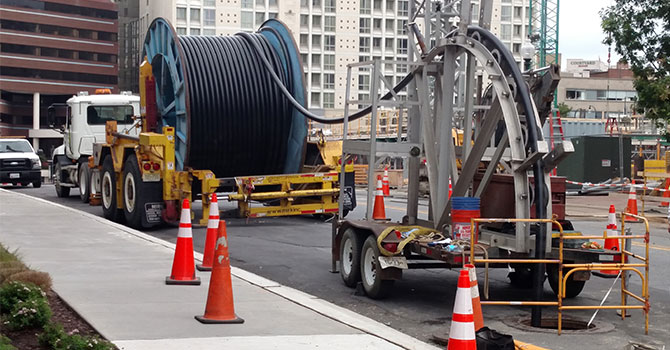
In addition to regulatory and aesthetic drivers there are practical drivers for repurposing or relocating existing underground feeders. Many of the larger and older U.S. cities have pipe-type cable that address high voltage underground transmission lines—often installed in the 1930s to 1960s. These systems are steel pipes with the conductors housed inside and filled with pressurized dielectric fluid. While these systems have a projected shelf life of more than 100 years, they do from time to time need segments replaced, typically when they’re hit by nearby construction activities. With only one cable provider for pipe-type systems left in the U.S., a movement towards updating these lines with XLPE (dry cables) is gaining steam.
For the past seven years, we have been growing capabilities in this specialized market in urban centers where we have mapped, routed, engineered, and overseen construction of nearly 70 miles of underground distribution and high voltage transmission lines. I look forward to continuing to expand our knowledge on this growing trend and make an impact on the communities we serve.
About the Author