As the U.S. builds towards more sustainable energy sources, the nation must still rely on fossil fuels like natural gas while sustainable energy infrastructure develops. Natural gas is the earth’s cleanest traditional fuel, with numerous practical uses. Natural gas heats homes, offices, and hospitals. It powers factories and appliances and fuels cars and buses. According to the American Gas Association (AGA), it supplies nearly one-quarter of all the energy in the U.S. Nearly 189 million Americans use natural gas because it is affordable, reliable, safe, and essential to improving the environment. According to the U.S. Energy Information Administration (EAIA), natural gas constitutes about one-third of electric power generated in the U.S. and is expected to grow as power demands by technology companies grow due to new data centers and consumers using more electricity to power cars. Therefore, natural gas is an essential part of American’s energy mix.
Although natural gas is the cleanest of the fossil fuels, it does produce greenhouse gases that affect climate change. The primary component of natural gas (usually over 90% by volume) is methane, a powerful greenhouse gas many times more potent than carbon dioxide.
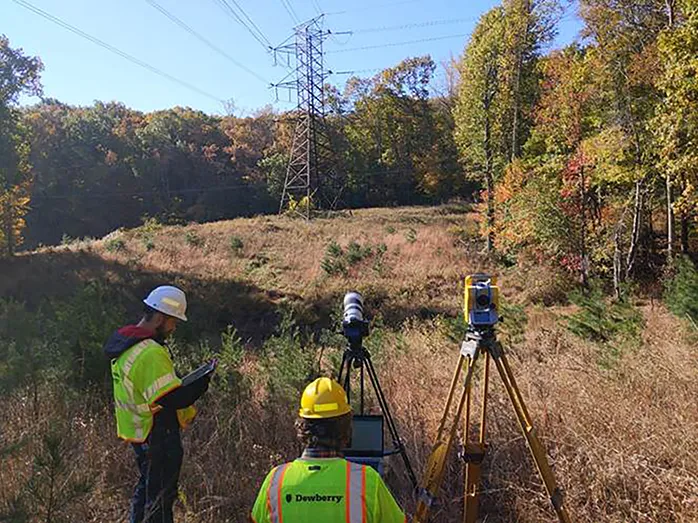
Our firm is helping local distribution companies (LDCs) to come up with a plan to execute accelerated replacement work and support the replacement of natural gas distribution systems along the East Coast.
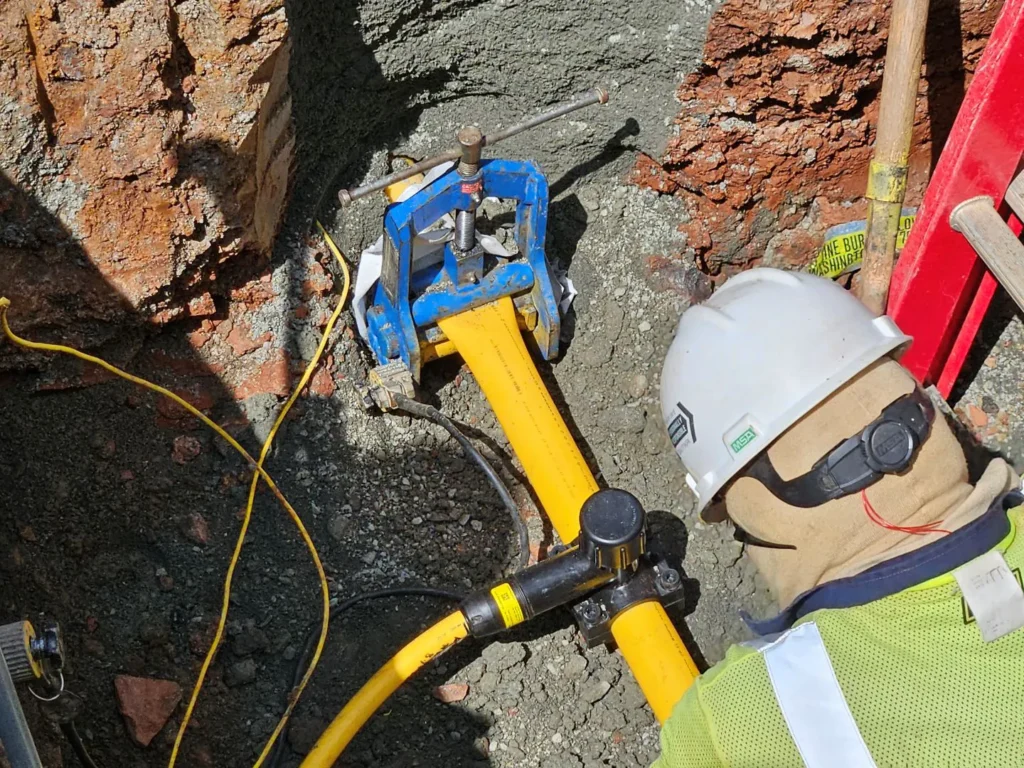
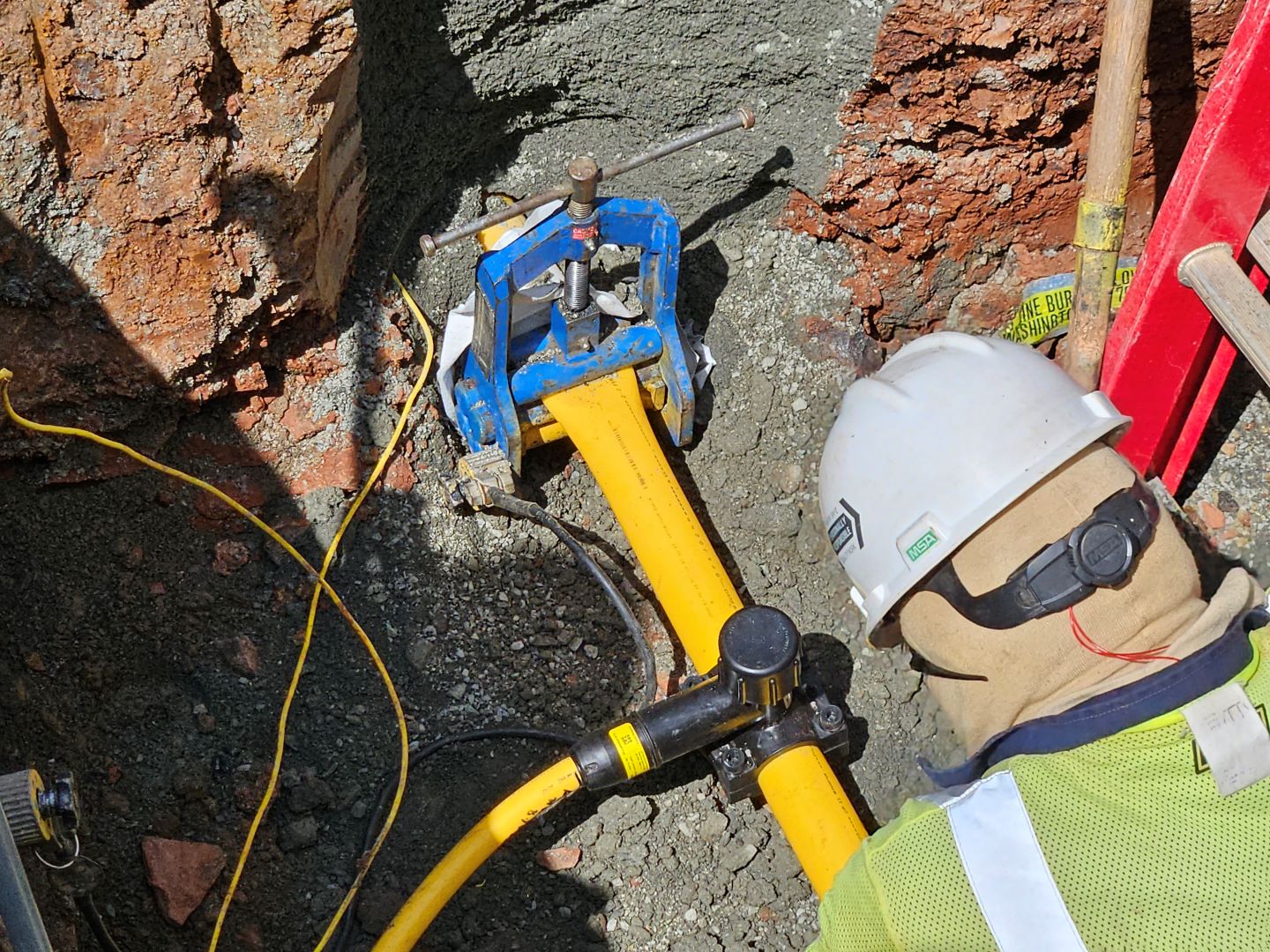
Natural gas utilities are working diligently to modernize the distribution pipeline network, thereby improving safety and reliability while reducing emissions from older leak-prone pipes and fittings. Over the past several years, the infrastructure has been aided by the development of closely monitored, pre-approved, and cost-effective accelerated pipeline replacement programs in close cooperation with state commissions.”
Hardeep Rana
Updating Outdated Natural Gas Infrastructure
The Pipeline and Hazardous Materials Safety Administration (PHMSA) of the U.S. Department of Transportation (DOT) has urged action on repairing or replacing older systems that consist of cast iron, wrought iron, bare steel, unprotected steel, copper, and certain vintage plastic pipe as well as fittings, and, in some cases, mechanically coupled pipe that is leak prone. PHMSA implemented new requirements in 2009 as part of its gas distribution pipeline integrity management.
Federal and state regulators have established pipeline inspection and maintenance requirements and LDCs have created risk-based pipeline replacement and maintenance programs to meet these requirements. In fact, PHMSA currently has a notice of proposed rulemaking which implements congressional mandates in the Protecting our Infrastructure of Pipelines and Enhancing Safety (PIPES) Act of 2020 to reduce methane emissions from new and existing gas distribution pipelines by strengthening leak survey and patrolling requirements and improving performance standards for advanced leak detection programs.
The age and type of pipeline infrastructure in service throughout LDC systems varies widely across the U.S. In some areas, portions of the natural gas distribution system can be more than 100 years old. Many LDCs have been working diligently to replace older natural gas infrastructure, as some types of older infrastructure can be leak-prone and at higher risk for failure. While maintenance, repair, and replacement of these facilities has historically been driven by safety and reliability considerations, and to a lesser extent, a desire to increase system efficiency while reducing unnecessary loss of gas, more recently there has been an additional focus on the environmental impact of natural gas leaked to the atmosphere from older natural gas distribution systems.
The financial burden of replacing old pipelines is substantial. Therefore, LDCs have worked with their respective state corporation and public service commissions to develop accelerated pipeline replacement programs to address timely and cost-effective means to replace thousands of miles of pipe. These replacement programs typically mandate that all replacement programs must enhance safety or reliability and reduce greenhouse gas emissions while authorizing associated cost recovery mechanisms. The replacement projects must be approved and undergo periodic evaluations and audits by the state regulatory bodies.
Challenges to Modernizing Infrastructure
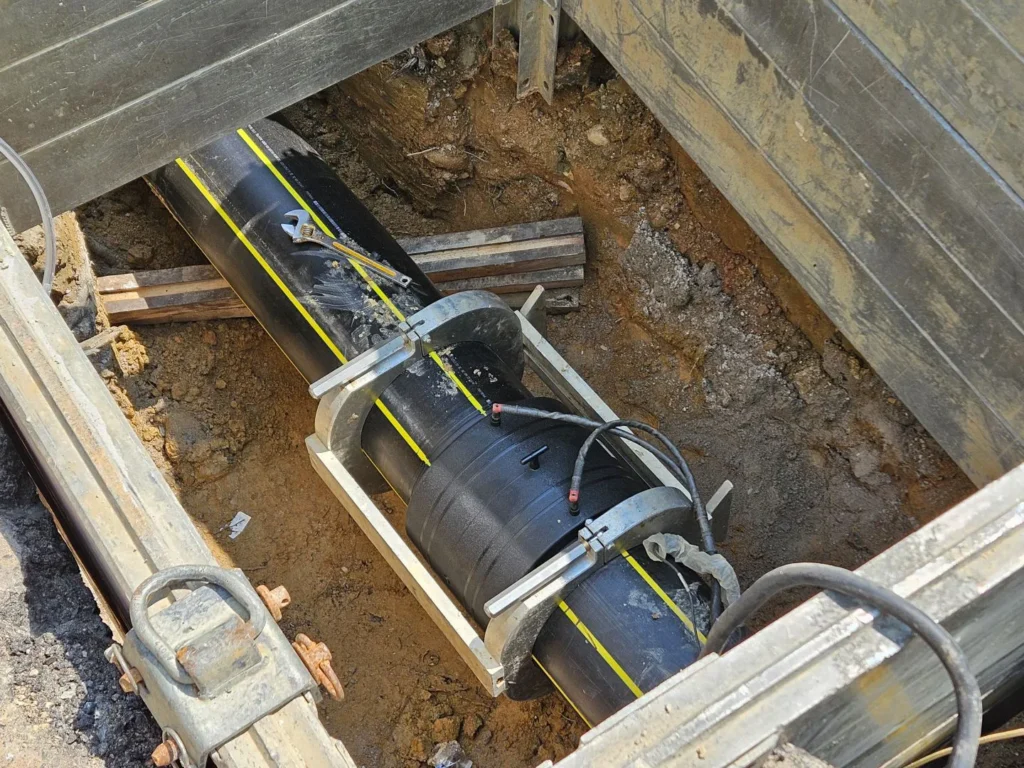
The effort to modernize infrastructure by replacing pipe no longer fit for service according to risk will continue to grow. Notwithstanding the reduction in emissions achieved through leak-prone distribution pipe network replacement, some state legislatures and regulators that approve accelerated pipeline replacement programs are now becoming reluctant to facilitate customer-funded, fossil-fueled infrastructure network programs. The push for sustainable energy solutions is competing with spending the billions of dollars still needed to modernize a pipeline network that delivers a fossil fuel. Climate goals can be achieved with a well-balanced energy policy.
The LDCs are still committed to improving the environmental performance of natural gas through implementation of cost-effective technologies and practices to reduce emissions of methane. Without alternative rate recovery mechanisms, replacement and expansion of the nation’s gas pipeline systems will suffer. Each utility commission is in the best position to balance the safety of the energy infrastructure and the best interests of the customer.
In conclusion, natural gas continues to be a vital part of our nation’s energy supply. Our firm is proud to support utilities in their mission to provide quality, timely energy services to their customers and to create a safer built environment in our communities.
About the Author