
At the turn of the 21st century, nearly 50 percent of Virginia’s population lived outside urban areas, typically within communities of fewer than 10,000 people. These rural communities lived on 95 percent of the state’s land, meaning that a small number of people have been responsible for installing and maintaining a massive amount of infrastructure to support basic water needs.
Today, the rural population is still spread out and some of those small municipalities are struggling to secure the funding necessary to update their infrastructure.
This situation is not unique to Virginia. A quarter of U.S. citizens live in rural communities with similar populations. Without access to the millions of taxpayers inherent to urban areas, the small municipalities responsible for rural infrastructure systems have relied heavily on state and federal government assistance programs like grants and loans. However, a shrinking pool of grant money has made the application process more competitive and confusing.
This doesn’t mean funding is impossible to secure. There are still grant opportunities and low-interest loans to be acquired, but now more than ever it requires patience and a strong familiarity with what’s available. In fact, the variety (and flexibility) of available funding options might surprise you.
Funding Options: Look Beyond the Name
Since 1999, Virginia’s Tobacco Indemnification and Community Revitalization Commission has awarded nearly 1,800 grants totaling more than $1 billion across the state’s rural tobacco region. More than $300 million has been allocated to communities that have been hit particularly hard by the decreasing tobacco market. For instance, we’re helping a southeastern Virginia city put this grant money to good use as a way of funding a water treatment plant upgrade.
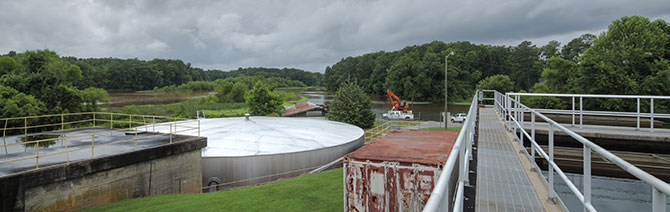
Being able to secure funding can be the difference between much-needed upgrades and the continued use of inefficient or outdated systems.
The Virginia Department of Housing and Community Development invests more than $100 million each year into low-to-moderate-income communities. While the department’s Community Development Block Grant program is promoted as a way to rehabilitate neglected structures in an effort to introduce new business to the region, it can also be used to fund infrastructure improvements. Recent upgrades to a historical colonial city’s pavement, sidewalk, curb, gutter, water, and sewer systems were all made possible with a Community Development Block Grant.
The United States Department of Agriculture’s (USDA) Office of Rural Development Administration offers funding options for constructing and expanding water and wastewater facilities that serve fewer than 10,000 people. The grants can cover anywhere from 25 to 75 percent of project costs, and eligibility is based on monthly drinking water and sewer service rates. A three-tiered structure, based on median household income, is offered for grants and loans while loan repayment can extend to 40 years. A mixture of these grants and loans helped fund a small riverfront town’s sanitary sewer rehabilitation.
Your Funding Solution Could Still Be Out There
While urban infrastructure may be more complex (imagine running water to 8.4 million New Yorkers in just 305 square miles), they have the opportunity to rely heavily on taxpayer and user funds. For the 70 million other people living in rural U.S. communities, grants and loans can be the difference between much-needed infrastructure upgrades and the continued use of inefficient or outdated systems.
The funding options highlighted above are just examples of the wide variety of assistance programs available to small towns and counties. Sometimes, the most unique aspect of your community (like being located in Virginia’s tobacco region) is just the thing to help you secure funding for your next infrastructure project.
About the Author