The AEC industry has long relied on traditional visualization methods including 2D and 3D renderings to conceptualize projects. Over the last few years, technologies including 3D printing and virtual reality (VR) headsets have revolutionized the AEC industry by opening new design and visualization possibilities across the life cycle of a project. One of the ways our team has been using these technologies is to help clients visualize our designs for water and wastewater projects from the initial stages of planning to the final product.
Using 3D Printing and VR to Advance Solutions
3D printers can be used to print physical replicas of digital designs, offering a preliminary view of the overall look of a finished project. Recently, we created a handheld tool to measure gouge defects in a high-density polyethylene (HDPE) pipe prior to its installation, allowing for a consistent reference point to measure the defect depth. Because we had the required dimensions of the pipe and knew what parameters those dimensions needed to be to meet project specifications, we were able to digitally design the tool that could be used in the field prior to the installation of the pipe.
Over the last few years, technologies including 3D printing and virtual reality (VR) headsets have revolutionized the AEC industry by opening new design and visualization possibilities across the life cycle of a project.”
Melanie Leckey
When using virtual reality, we guide our clients throughout a realistic 3D environment to interact with the proposed space design. In particular, the water and wastewater team has used this capability to review facility layouts, including evaluating space relationships between piping, pumps, and valves. From a 360-degree perspective, our team can verify that adequate space is provided for the client to access equipment and to perform routine maintenance throughout the facility. This immersive visualization allows the client to give feedback during the design phase of a project so we can adjust the design accordingly.
Technology’s Impact on Client Relationships
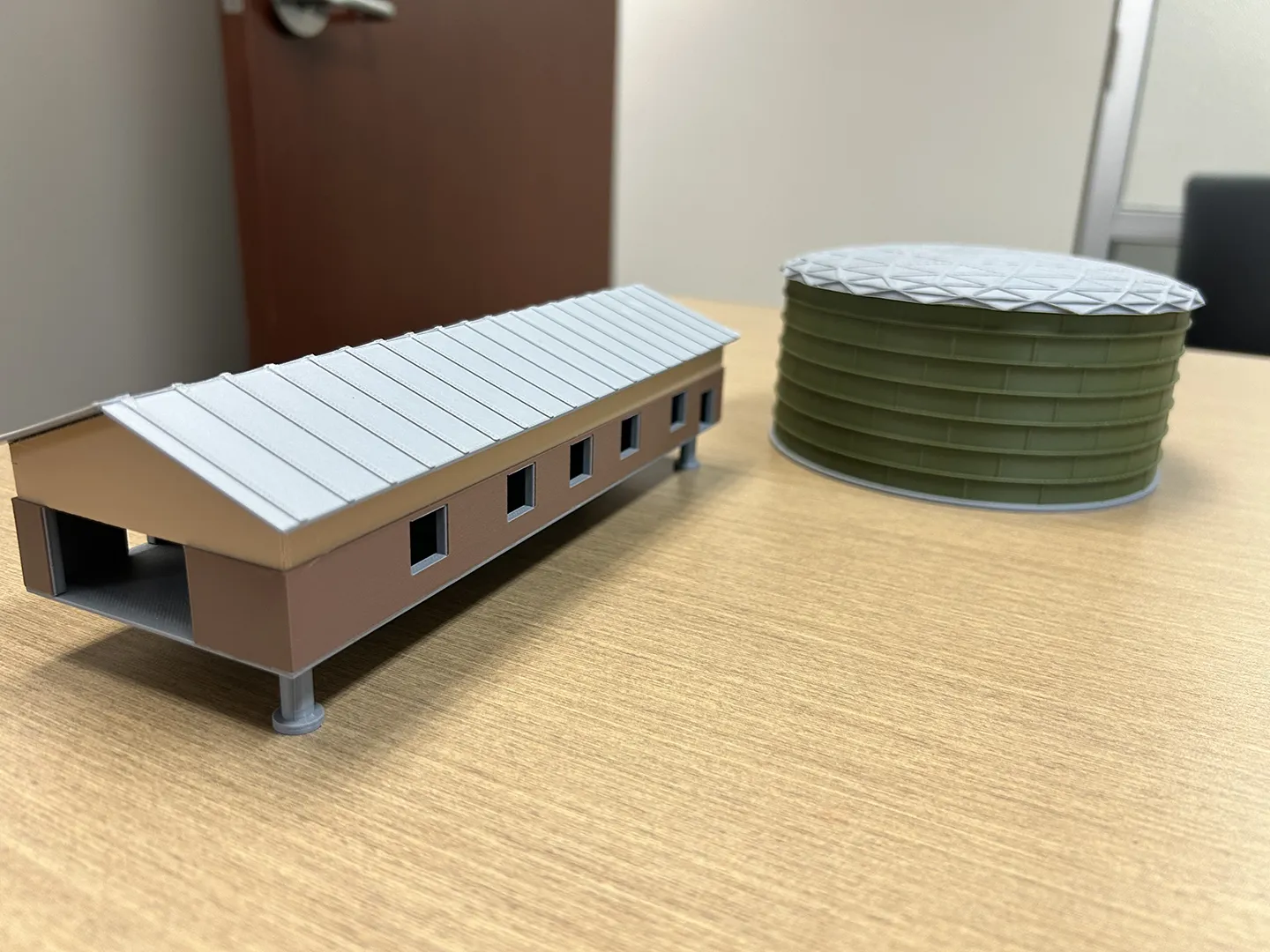
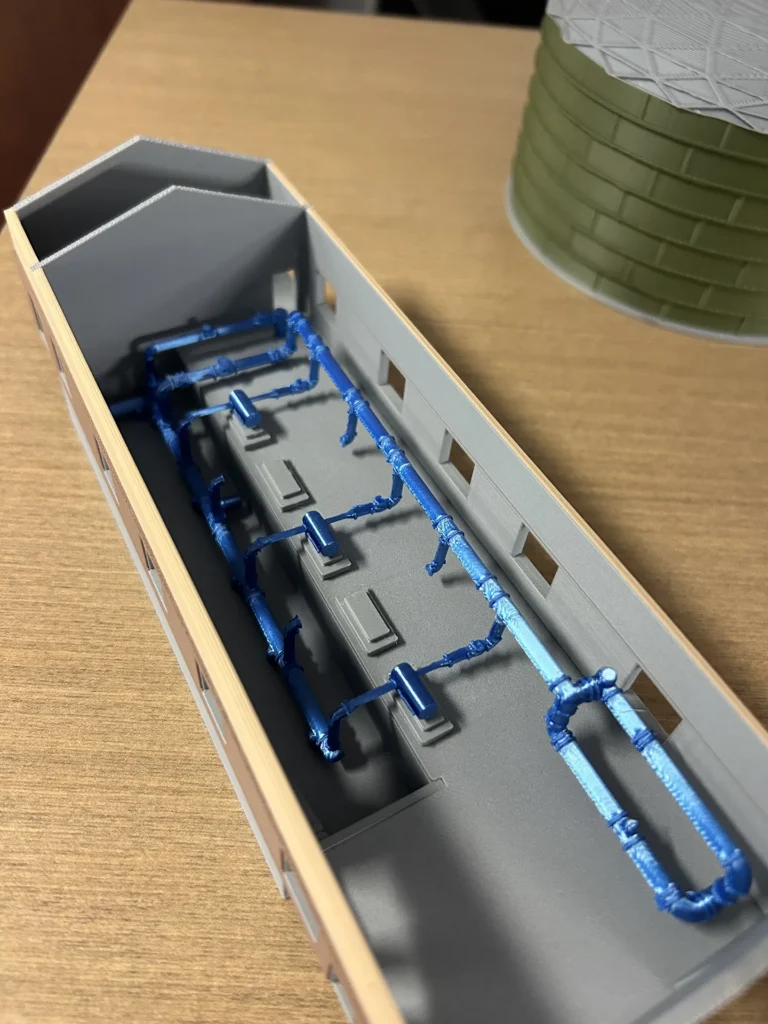
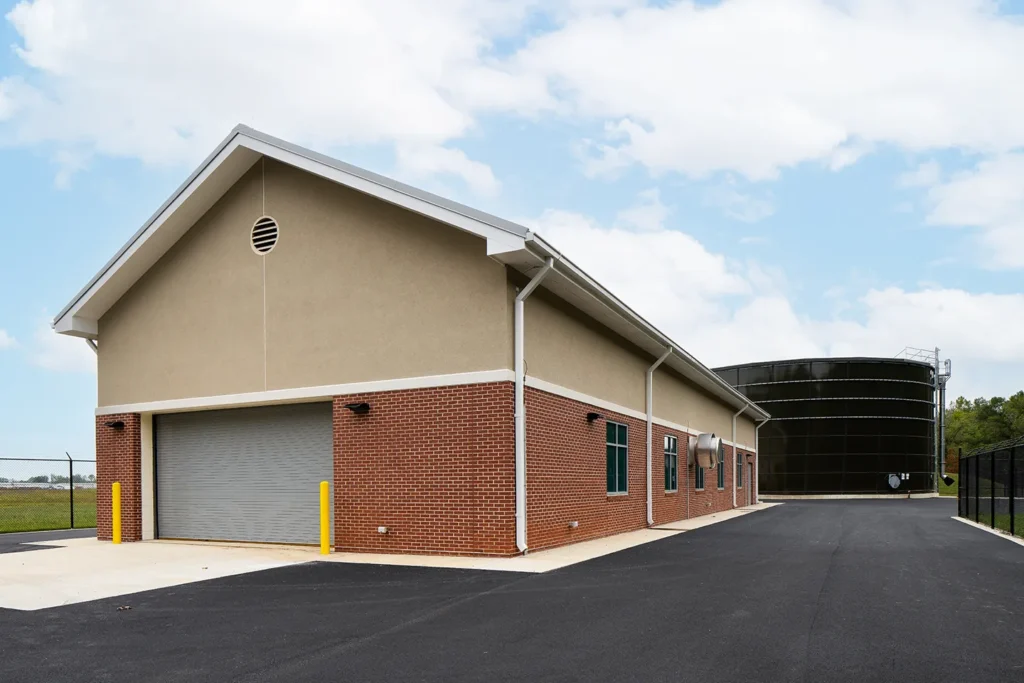
In addition to improving project outcomes, technology can optimize client relationships. Our team printed a 3D scaled version of our Airport East Tank and Pump Station project in Hanover County, Virginia. We created a 3D model of the pump station building, internal piping, and the water storage tank, using colors that replicated the final product. The clients informed us that they will proudly display the piece in their office.
As 3D printing and VR continue to advance, we are excited to search for new opportunities to apply these technologies to streamline our work and to contribute to our clients’ success.
About the Author