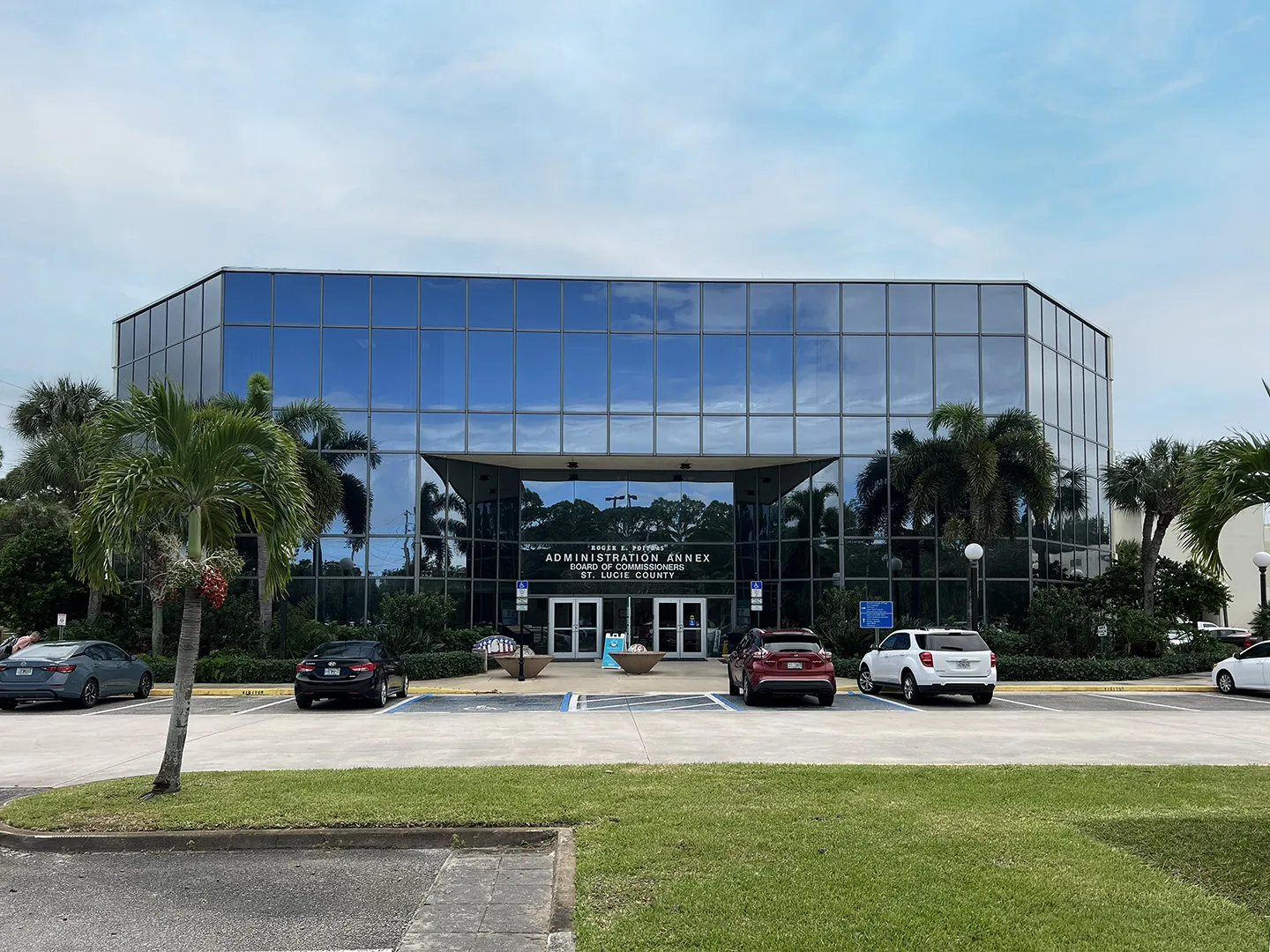
On October 25, 2013, the U.S. General Services Administration (GSA) issued its recommendation on the federal government’s use of third-party green building certification systems. Specifically, the administration recommends the use of the U.S. Green Building Council’s already popular LEED® 2009, as well as the lesser-known Green Building Initiative’s Green Globes 2010. The new policy abandons a single endorsement of a rating system, and gives individual federal agencies the responsibility of making the choicertice.
LEED vs. Green Globes
When it comes to green building certifications in the U.S., the LEED rating system has been the go-to system for years. Tracing its roots back to 1998, it gained global popularity in 2009 with its third version (LEEDv3) following a cultural and political focus on climate change, building efficiency, and environmental stewardship. In the media, LEED reached its peak of popularity in March of 2009, where it was a more popular search term than both “shale gas” and “hydropower,” and gained as much popularity as “solar power.” LEED released its fourth version (LEEDv4) last month, which the GSA plans on evaluating by early 2014.
Green Globes is a Portland, Oregon, based certification system touted as both simpler and faster than LEED, with competitive certification levels. For example, one Green Globe is on par with LEED certification, while two Green Globes are roughly equivalent to LEED Silver. Used on only 850 buildings nationwide to date, the system is still young, especially when compared to LEED’s 55,000 global projects. The system is free to CBI members, but targets the do-it-yourself community – appealing to building owners and AEC firms with smaller project budgets.
While there are various opinions regarding the actual cost impact of LEED vs. Green Globes, the Portland Tribune recently produced the following summary on the relationship between the two rating systems:
LEED is a more rigorous, broad-based, credible system that delivers more environmental benefits. In a short span, it has revolutionized building construction without heavy-handed government mandates, and is constantly pushing for greater environmental gains. But if a developer or owner doesn’t have the time, money, or stomach to pursue LEED certification — which is not uncommon — Green Globes can achieve far more environmental gains than doing nothing at all.
What Does This Mean for Our Industry?
GSA’s groundbreaking announcement is an interesting move, one that individual AEC firms should approach with caution. Federal building managers can use either system, as long as they align with federal mandates, but it falls upon the individual agencies to decide which accreditation system to use.
As specific agencies reeducate themselves, it’s important to understand that monetizing the impacts and pricing the services that come with sustainable design and its construction process takes time. Furthermore, comparing the outcomes associated with the two competitive rating systems is like comparing apples to oranges; Green Globes has no prerequisites, whereas LEED now requires them for almost all of their credit categories – and therefore establishes a common baseline from which projects are measured.
I anticipate that the green building certification topic will make another leap in our nation’s cultural conversation, and quite the splash within the AEC industry.
To review GSA’s six recommendations for the federal government’s use of green building certification systems, click here. For a better understanding of the differences between the LEED and Green Globes systems, view the Department of Energy’s 2012 Green Building Certification System Review.