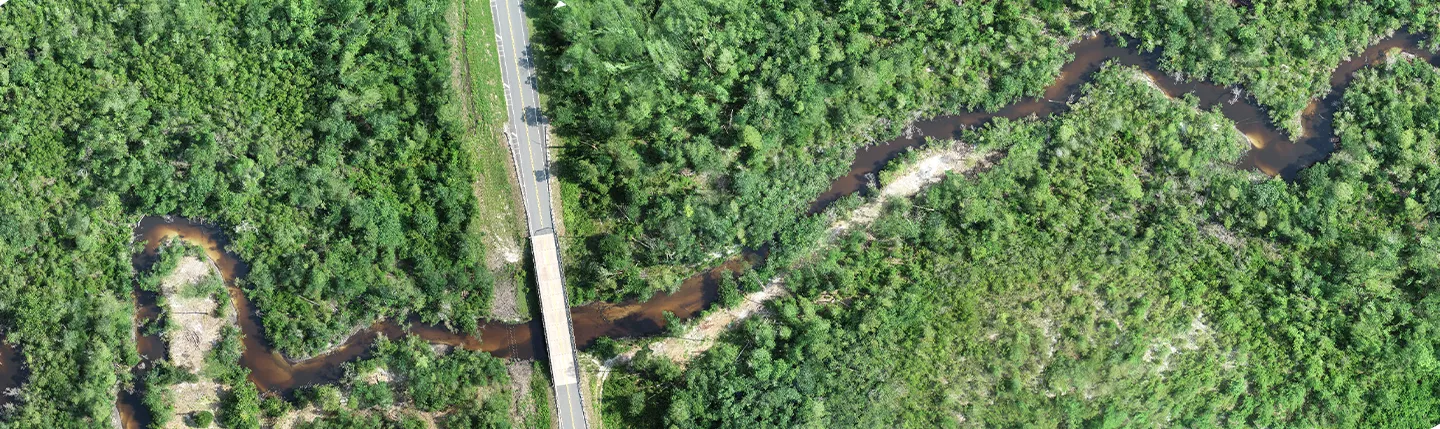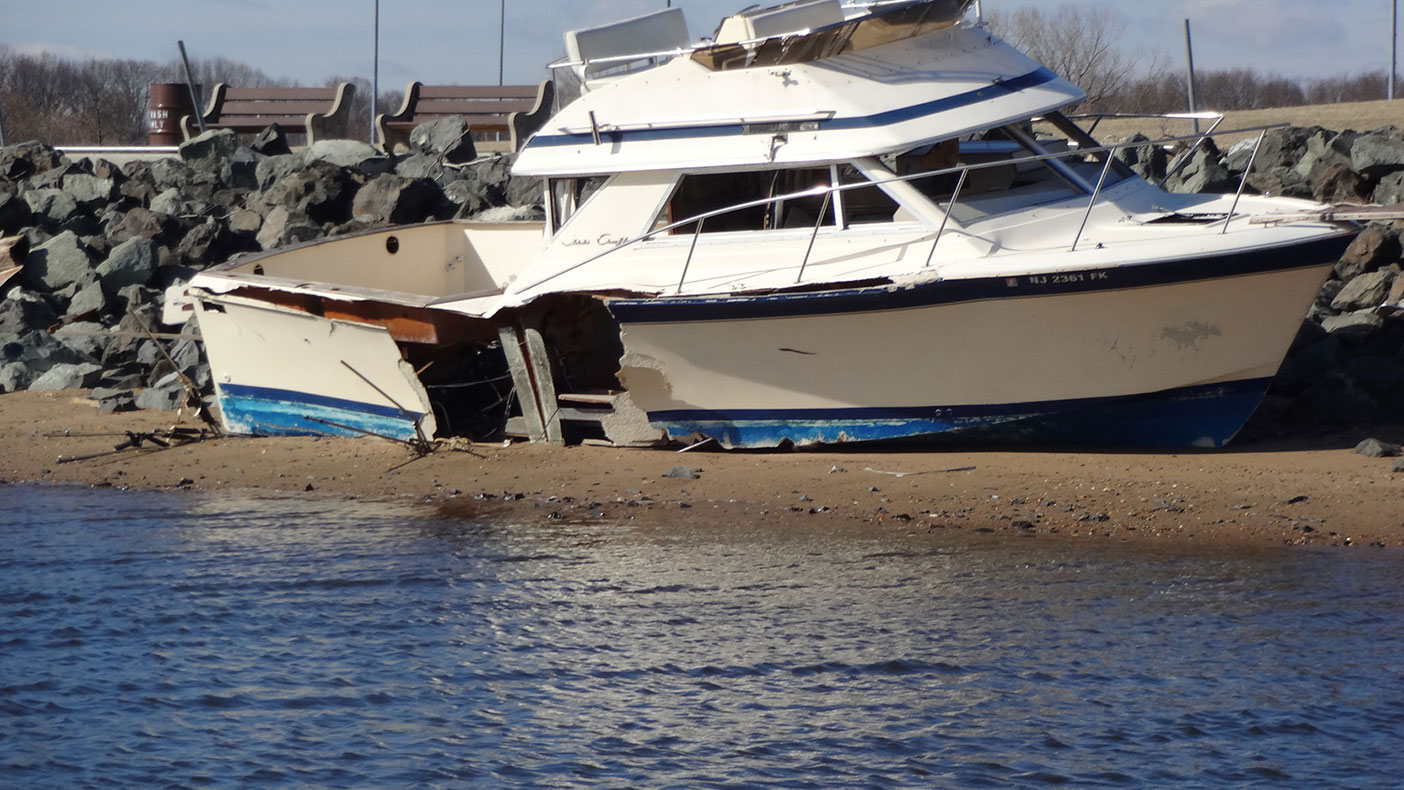
As part of last week’s symposium, “Strategic Conservation Planning Using Green Infrastructure,” sponsored by The Conservation Fund, I had the privilege of presenting to key federal asset managers from the Fish and Wildlife Service, Department of Agriculture, Army Corps of Engineers, and National Park Service on climate change adaption strategies for green infrastructure planning. Along with Steven Eget, our presentation focused on tools for quantifying local impacts of climate change, including:
- Sea Level Affecting Marshes Model (SLAMM) – a publicly available model used to show sea level rise effects on marshes
- Coastal Circulation and Storm Surge Model (ADCIRC) – a complex numerical simulation of coastal storms (i.e.: hurricanes)
We also highlighted different goals and approaches used in recent climate change adaption studies, including one comprehensive sea level rise study in North Carolina, and two focused on transportation infrastructure assessments in New Jersey. In North Carolina, a scenario-based approach for the uncertainties surrounding the timing of sea level rise is being employed in addition to using the SLAMM and ADCIRC models.
A frequent question from participants was if they can gather this type of information on their own, or if they need help from a consultant. This truly depends on the results they’re looking for. Websites, such as NOAA’s Coastal Services Center, can be a source to gather basic statistics, but if they want a deeper understanding of results, a consultant can leverage more precise data sources and quantify the information more precisely.
Presenting at this symposium was a great experience, and we look forward to working with The Conservation Fund in the future.
You can find more information about the services we provide at Dewberry through ourClimate Change or Sea Level Rise & Adaptation Planning brochures.