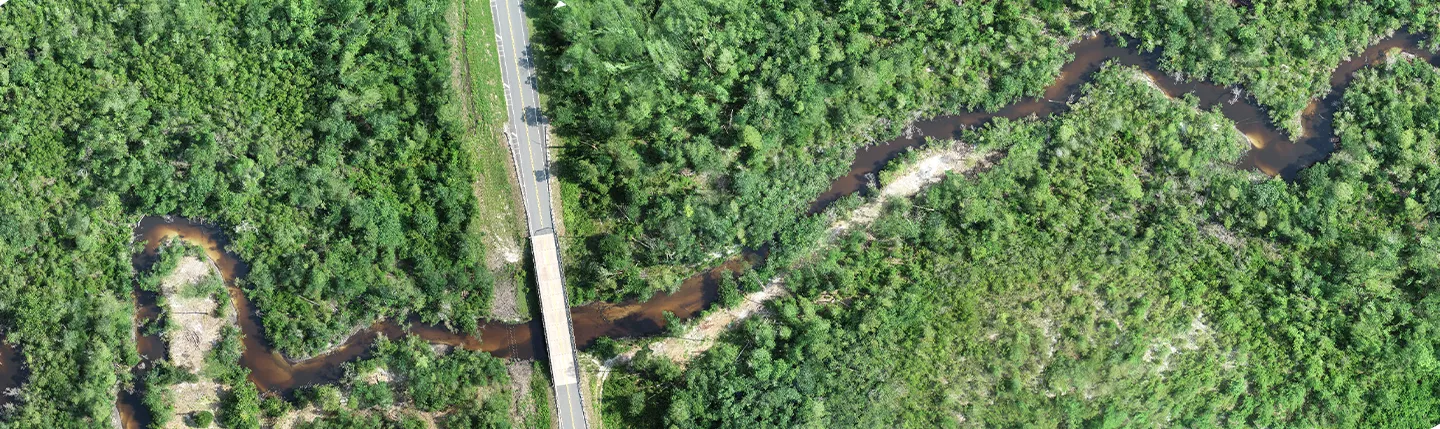
This year, National Preparedness Month focuses on getting back to the essentials of preparedness, starting with understanding community risk. For resilience planners, knowing the risk is only the beginning. We also need to communicate risk in ways that are clear, relevant, and actionable for communities. To achieve this, we encourage people to explore and interact with risk information through creative approaches, such as games, interactive activities, and visual and performance-based art.
Making Complex Information More Accessible Through Creativity
An earlier blog by Market Sector Leader Caroline Cunningham, Gamification: Demystifying the Resilience Planning Process, shares how defining resilience can be challenging due to its complexity and subjectivity. That’s why our resilience planning team looks for creative opportunities to make resilience more collaborative, approachable, and actionable.
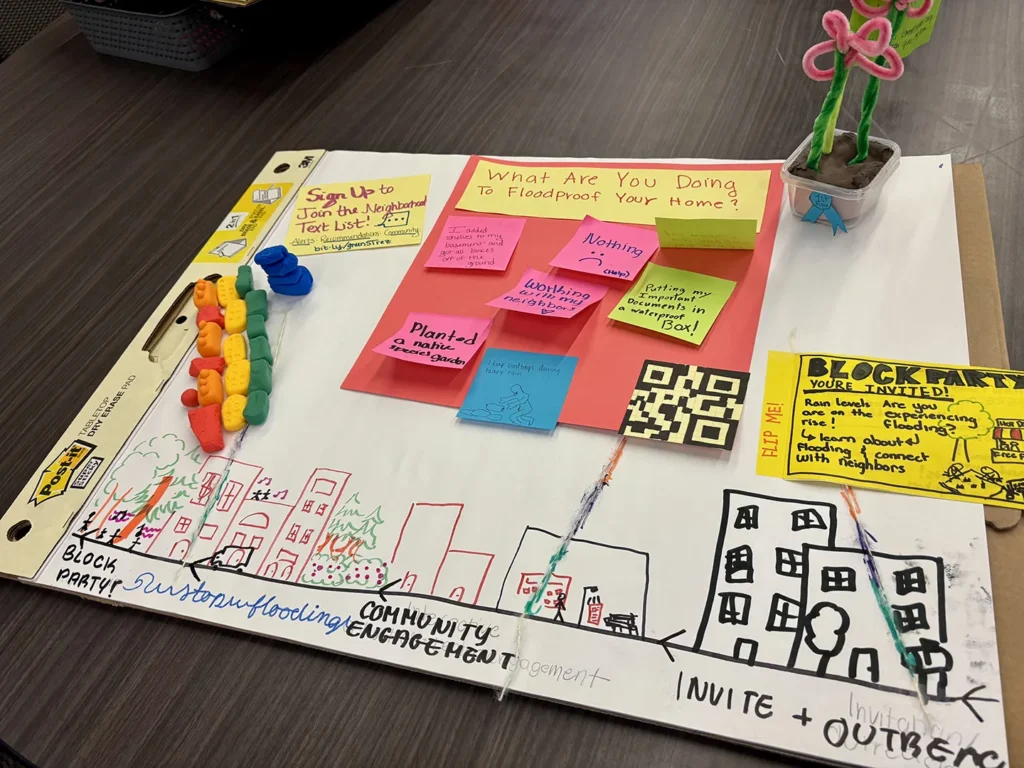
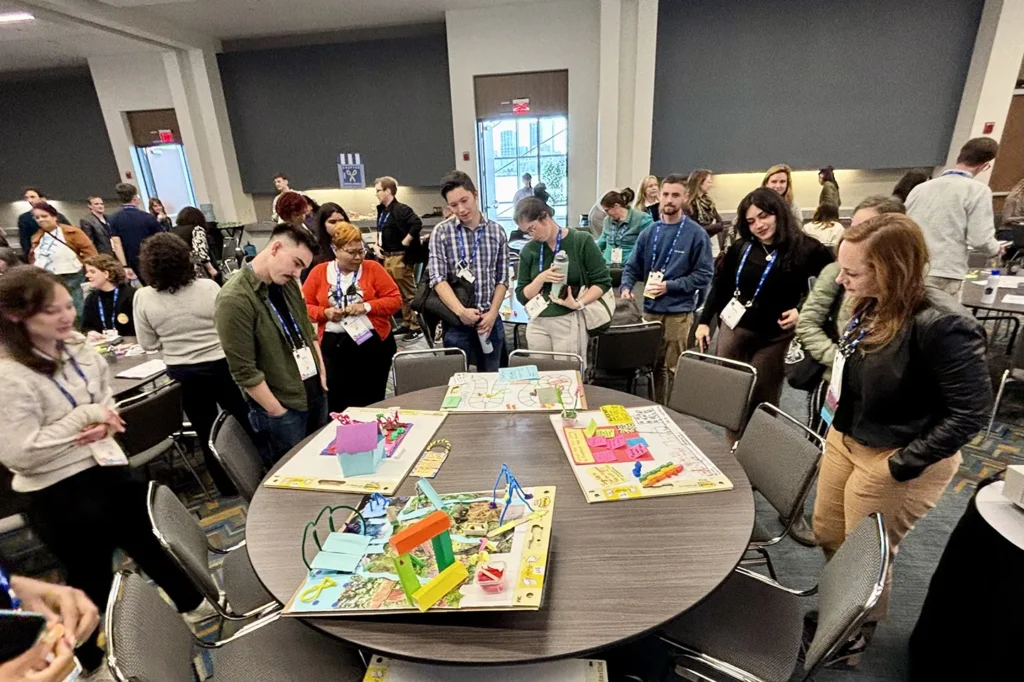
At the American Planning Association’s National Planning Conference, we piloted a hands-on activity with 150 climate adaptation and resilience professionals. Participants worked in teams representing mock communities facing hazards, such as drought, floods, hurricanes, and wildfires. We asked each team to focus on a different priority audience with varying communication needs, from young children and older adults to rural populations and people with diverse language backgrounds.
We challenged participants to translate dense risk information into language and concepts an eighth grader could understand easily. To inspire creativity, we presented examples from visual artists across the country, from Denver to Baltimore to Brooklyn, inviting participants to further explore how risk could be expressed through a range of mediums. The activity demonstrated how creativity can help planners meet people where they are. By considering creativity as an essential part of a project, we can make complex information more approachable while creating opportunities for communities to engage with resilience in ways that feel relevant to them.
Using Creative Combinations to Navigate Compromises and Competing Priorities
Beyond effective communication, creative strategies can also help community leaders stay nimble in an ever-changing environment. Climate adaptation rarely involves a single priority. Leaders may need to build community, save money, move quickly, or balance all three. Regardless of what may be prioritized, the course of our actions is ultimately influenced by the unique system we are working within. To explore this further, our resilience planning team developed a three-round, choose-your-own-adventure adaptation card game.
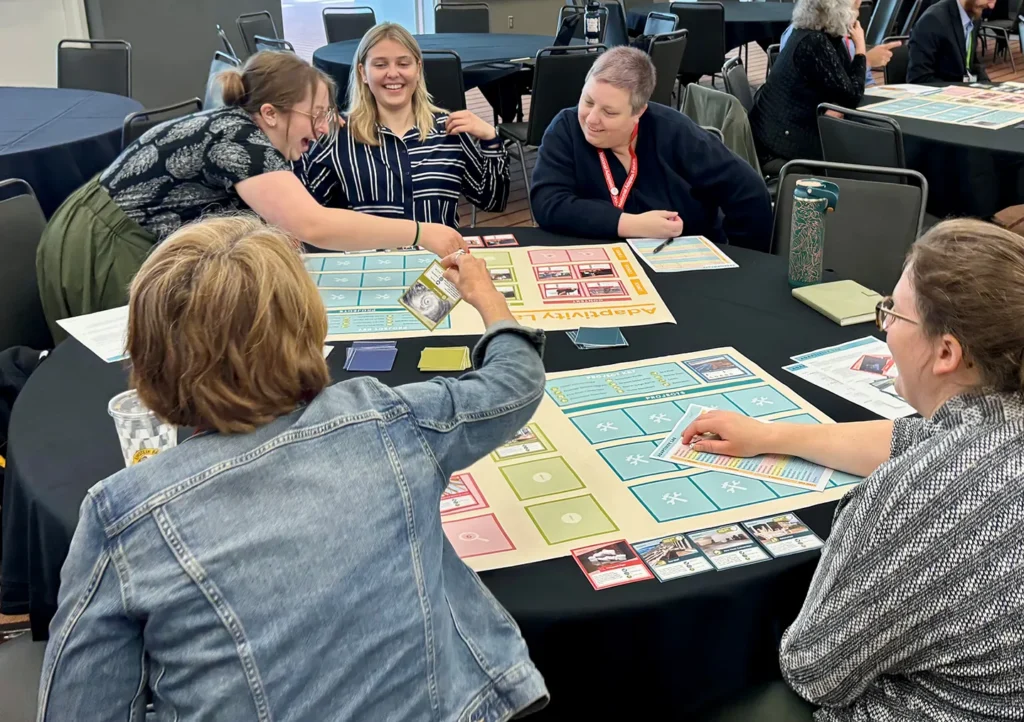
Our team piloted the card game at this year’s National Adaptation Forum. Working in groups, participants drew cards representing community context, available resources, and eligible projects to build a more resilient future through adaptation strategies.
The game intentionally mirrors real planning processes: participants make decisions, manage constraints, and see how one choice can affect another. No one really “wins.” Instead, participants explore a mock community and consider how needs, resources, and timelines interact without being constrained by the realities of their own communities. The exercise allowed participants to look beyond their usual roles and see how different stakeholders navigate competing priorities and shared goals.
From Creative Thinking to Practical Action
Beyond exercises and games, we’re putting creativity into practice across our projects. We intentionally weave creativity into our work by tailoring the message, medium, and tone to maximize impact and create experiences that resonate. Right now, our team is developing a suite of online decision-tree tools that guide users through flood risk and reduction information. Designed around user needs, the decision trees prioritize a streamlined experience, plain language, and practical, decision-ready outputs.
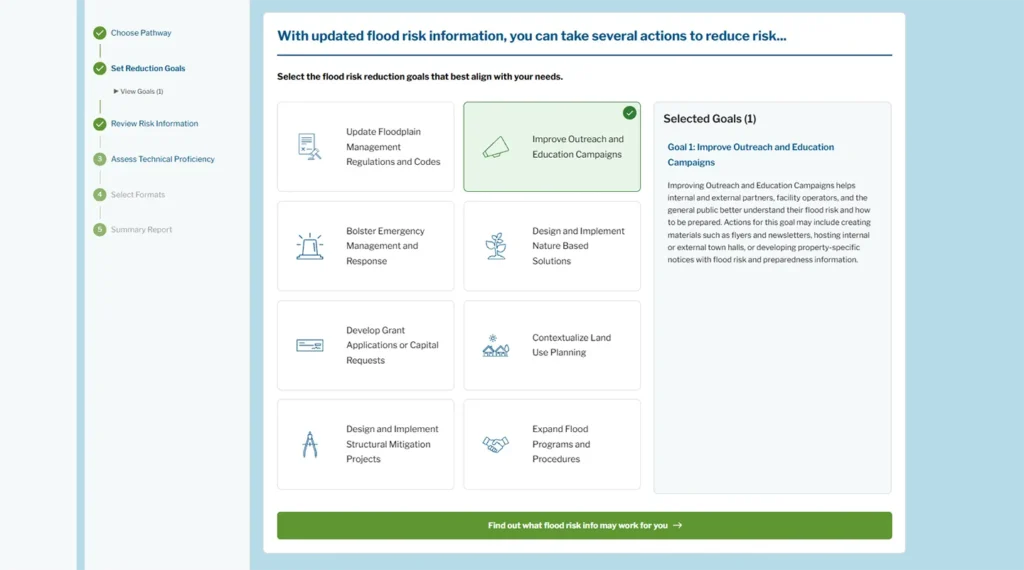
Rather than presenting users with data and technical jargon, we design tools that start by asking users what they are trying to accomplish. Are they looking to improve communication, bolster emergency response, or develop grants? Depending on their goals, the tools supply helpful flood risk information, such as flood probabilities, risk assessments, and mitigation opportunities in their community.
Recently, a community tasked our team with helping its leaders strengthen resilience through enhancements to local ordinances. Navigating the maze of floodplain regulations can be challenging, particularly for local leaders who wear several hats. In response, we designed a decision-tree tool that combines publicly available regulatory information with possible higher regulatory standards. The tool also explains key information, outlines options, and helps users select strategies that fit their local context. By demonstrating how different standards are applicable to various insurance or program goals, leaders can make informed decisions about ordinance enhancements that reduce flood risk. Plus, they can help their residents save some money on flood insurance along the way!
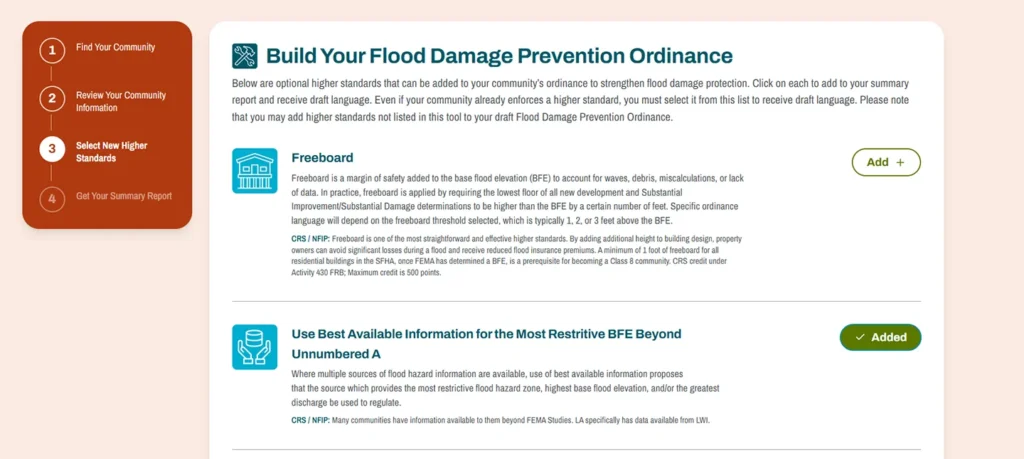
Our decision trees end with report-outs, which summarize users’ selected pathways and preferences. The summary page also provides users with additional resources and recommended next steps for using this information.
The value of information lies in what we can do with it. Creativity helps us communicate complex risks, navigate competing priorities, and imagine new ways forward when resources are limited or the future is uncertain. By making resilience planning more engaging, collaborative, and accessible, we can help communities move from understanding risk to meaningful action.
About the Authors

Emily Mills