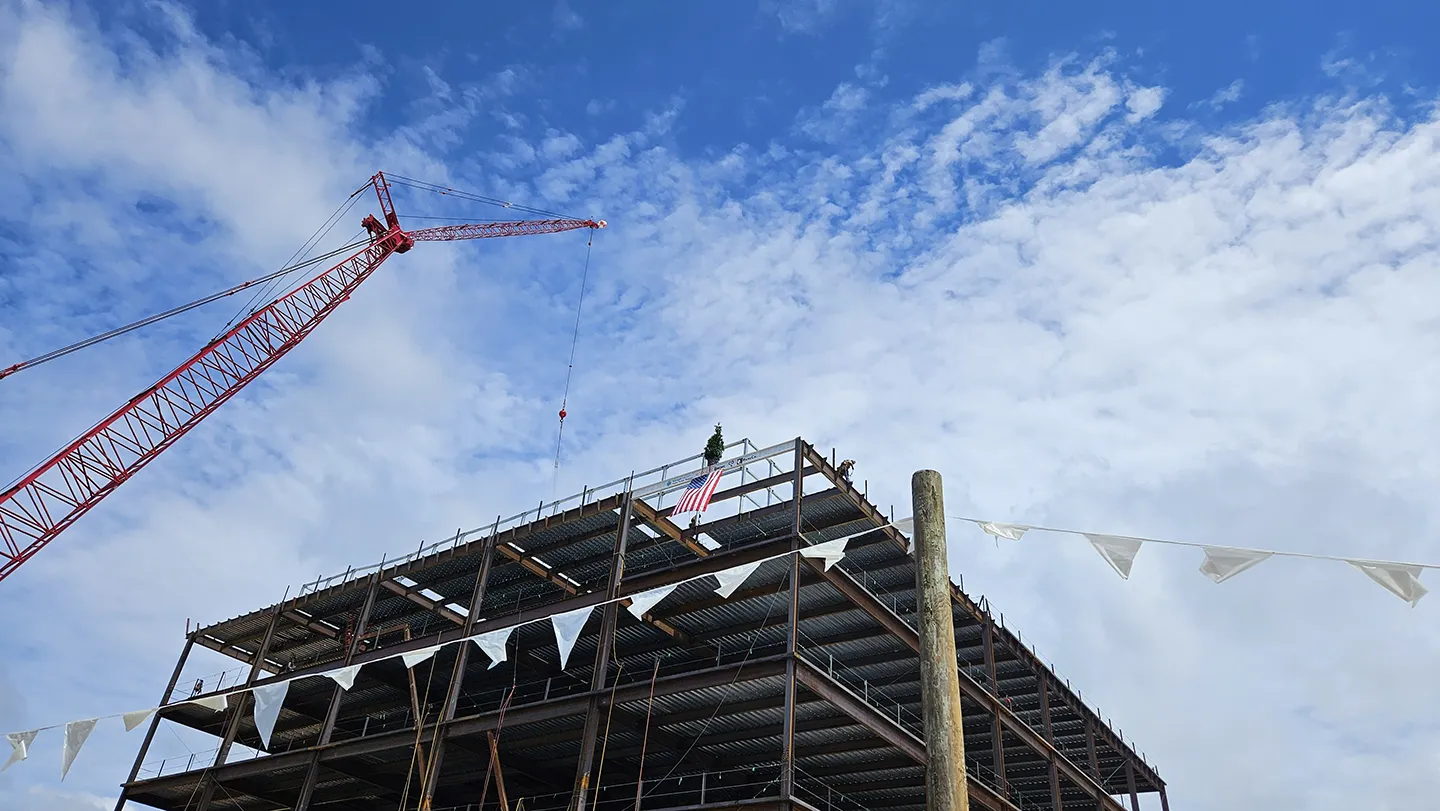
In architecture, engineering, and construction (AEC) projects, there are two types of carbon emissions to be aware of—operational carbon and embodied carbon. Operational carbon represents any emissions released from a building’s ongoing operations and day-to-day activities, such as lighting and space conditioning. Embodied carbon encompasses any emissions associated with building materials and products from resource extraction, transportation, production, installation, maintenance, demolition, and end-of-life disposal.
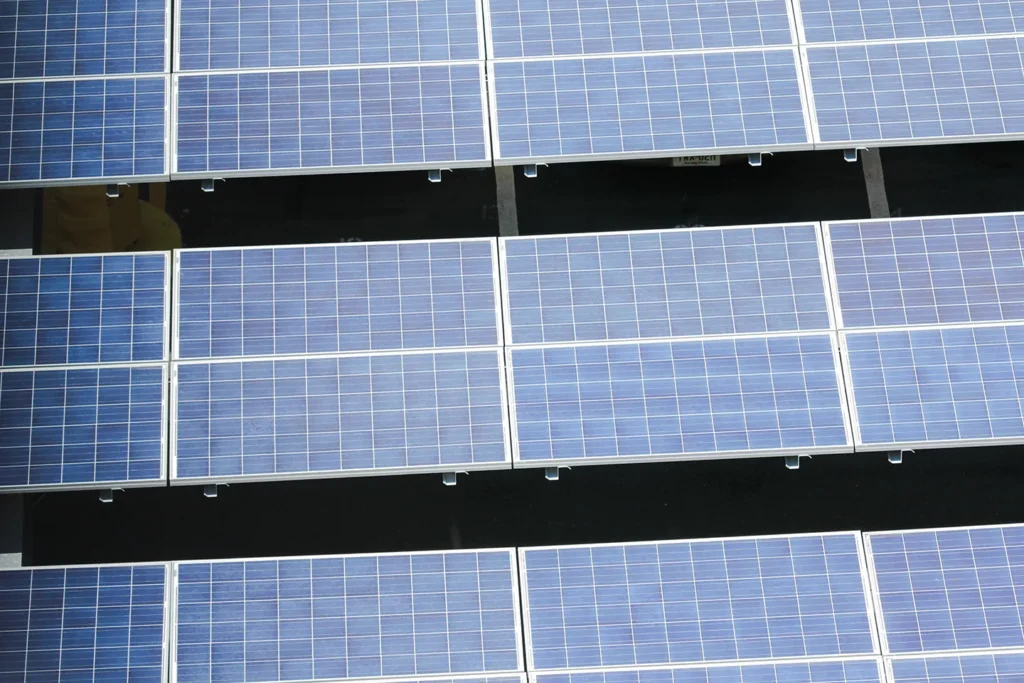
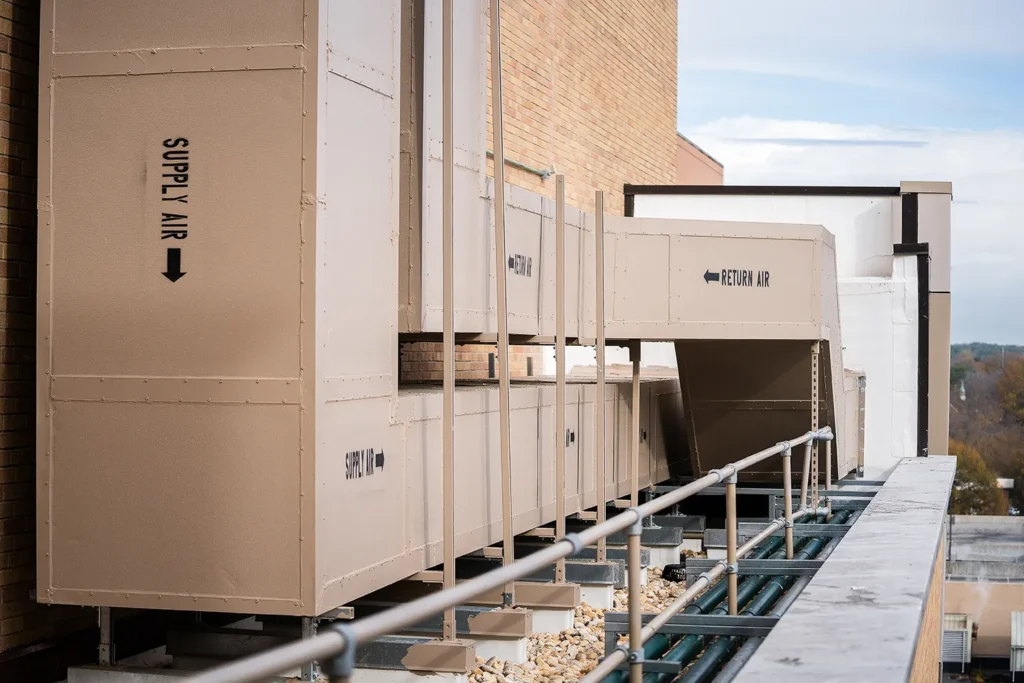
Decarbonization in the AEC industry has historically focused on reducing operational carbon emissions. Strategies such as transitioning to LED lighting, incorporating energy-efficient HVAC systems, and installing on-site renewable energy systems have helped to significantly reduce the impact of operational carbon in recent years. Now, embodied carbon is getting a closer look.
With state and local carbon reduction and emissions regulations continually taking effect across the country, large-scale decarbonization is quickly becoming a priority in AEC projects.
- New York, New York: Local Law 97 (LL97) plans to decrease emissions from large buildings by 40% by 2030 and to net zero by 2050.
- Boston, Massachusetts: Boston’s Building Emissions Reduction and Disclosure Ordinance (BERDO) sets gradually decreasing emissions limits on large buildings, with the goal of net zero by 2050.
- Denver, Colorado: The Net-Zero Energy (NZE) New Buildings & Homes Implementation Plan calls for all new buildings and homes to be net zero by 2030 and all existing buildings and homes to be net zero by 2040.
To best meet and maintain these standards in our projects, the AEC industry should take a holistic approach—one where both operational and embodied carbon are carefully and equally considered.
Engineering for Efficiency
When starting a project, it is essential to begin with a comprehensive outlook of the work ahead. For decarbonization projects, this means looking beyond equipment selection to see the scope more holistically. Equipment is only one component for reducing carbon emissions, and the most efficient equipment can fail to operate efficiently when factors such as design, configuration, and efficient sequences of operation are overlooked.
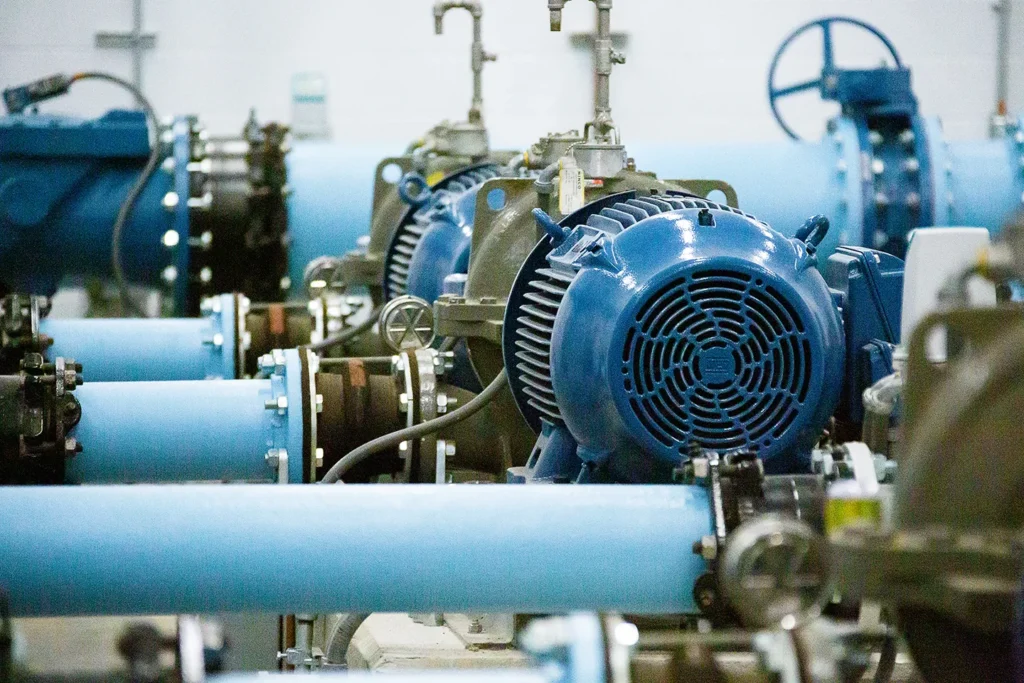
In addition to efficient equipment selection, teams must work toward appropriately sizing, staging, and controlling equipment. This means carefully designing fluid velocities, pressure drops, and layouts, as well as choosing the correct setpoints and water temperatures according to a building’s size and intended use. When specifically targeting embodied carbon, this could include prioritizing hydrogen-based steelmaking—which can reduce emissions from steel manufacturing by up to 95%. By implementing a variety of energy optimization strategies, our team can efficiently decarbonize from a project’s onset.
Applying Decarbonization Solutions Nationwide
Decarbonization is not a region-specific topic. Sources of carbon in the built environment, such as materials, processes, and operations, are the same across the country. While differences exist in state and local emissions standards, efficient carbon reduction strategy can make an impact anywhere. By developing a toolkit of universal best practices that can be adapted based on local codes and regulations, we can support energy savings in a variety of markets and regions.
The Business Case
It is important to note the benefits of decarbonization are not limited to reducing emissions. Implementing carbon reduction strategies in a project can also lead to long-term cost savings and improvements to a building’s performance, operations, and overall efficiency. Though decarbonization projects sometimes have higher initial costs for equipment and materials, they often provide a greater return on their investment over time.
Projects that involve material selection and energy consumption are already potential decarbonization projects. Carbon reduction strategies can be implemented during any stage of a building’s life cycle and are completely customizable to a client’s budget, schedule, and aesthetic priorities. For some, decarbonization may feel like all-or-nothing, but really it is a process of chipping away and refining old processes, techniques, and materials to support greater energy efficiency.
To learn more about how we are supporting clients with New York City Local Law 97 compliance, visit our insights page and get in contact with one of our professionals.
About the Authors

Ely LaBerge