If science backs up the existence, and growing severity, of climate change, why do so many states have limited or no plans to mitigate its hazards?
For decades, tornado shelters have been standard on the plains of Kansas. Louisiana began forming their complex levee system in the 1700s. California has long exercised preventative measures to reduce damage from wildfires. Past experience has done a good job teaching us what it takes to be resilient, but this traditional approach needs to be revised as climate change creates a whole new game.
In the U.S., all 50 states have State Hazard Mitigation Plans (SHMP) that identify threats, describe planning processes, and recommend mitigation/adaptation measures. How many of those SHMPs give climate change the consideration it deserves? You might be surprised. Many states are ill-prepared to handle disasters of increasing magnitude and frequency.
Why is Climate Change an Important Piece of Hazard Mitigation Plans?
In March, scientists from the United Nations released a published a study explaining why SHMPs should take a hard look at climate change, and also grades the states based on how well they do so.
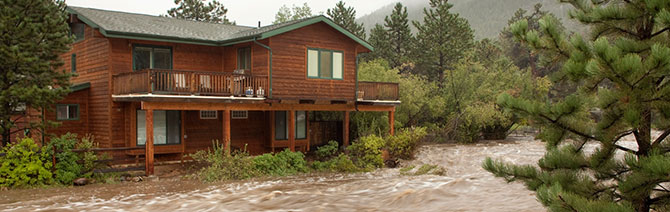
As the paper states, “Hazard mitigation planning is and will be less effective and less efficient in many locations if the hazard profile and mitigation action plans are based on historic climate data alone.” A state might be prepared for seasonal flooding, but may not be ready to handle the increasing severity of storms caused by climate change.

What Separates the Prepared from the Unprepared?
We speak from experience when answering this question. We got the opportunity to work with some hard-working people in Rhode Island, West Virginia, Connecticut, and Maryland to create their SHMP plans – the latter two of which are touted for their thorough discussions on climate change. These are the reasons why:
- Climate change is mentioned as part of four different high-priority strategies within Maryland’s SHMPs executive summary alone.
- In Connecticut, the impacts of climate change were addressed within a number of risk and vulnerability assessments, and appropriate strategies were developed.
- More than 20 research articles on responding to sea level rise were cited in Rhode Island’s 2014 SHMP.
While Columbia Law’s review was completed before we were able to finish our work in Rhode Island, we&’re confident that, should the review be updated, it will be grouped with the top plans.
What does the Future Hold?
While it looks like there will be many more years of debate surrounding why climate change is happening, the scientific consensus is that it is in fact happening, and that we need to adapt to it today. Politics of climate change aside, most adaptation activities make perfect sense for addressing today’s vulnerabilities more aggressively. Preparing for more severe disasters due to climate change will only make our country, and its individual states, better at handling whatever may come.
About the Author