
A change in tide in domestic fuel resources and the introduction of renewables transforming how we operate our grid has led to significant shifts in the energy industry. In the late 2000s, coal was the dominant electric generation fuel source and accounted
for almost half of the domestic generation market share. In contrast, today, natural gas constitutes approximately 35 percent of the generation market share while coal’s generation share has decreased to less than 30 percent. Renewables are
also penetrating the market at an increasing rate.
The Emergence of Natural Gas
2016 marked the first year when coal no longer held the dominant market share for domestic electricity generation. Natural gas production, largely concentrated at the Utica and Marcellus Shale regions, coupled with the
ability to easily finance construction of new state-of-the-art natural gas powered plants, resulted in a booming market scenario for the natural gas industry. Additionally, environmental drivers and an aging generation fleet further suppressed the coal
market.
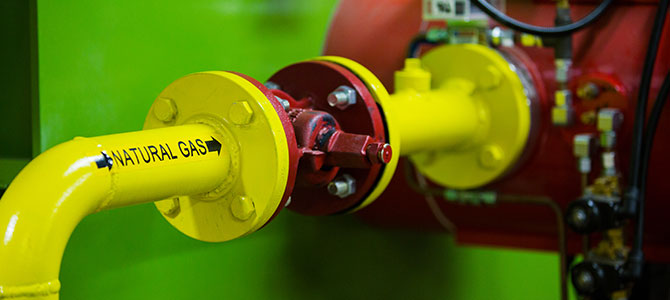
With natural gas being seen as an emerging energy resource, environmental drivers and aging equipment are suppressing the coal market.
The Penetration of Renewable Energy
In the short term, non-hydro renewable energy like solar photovoltaic and on-shore wind will be the fastest growing source of domestic electricity generation. The generation market share from these resources
more than doubled in this decade alone.
Increasing demand leading to higher production volumes and efficiency improvements in technology have decreased the cost of renewable generation in the past two decades. Renewable energy like solar and wind are penetrating the market and will continue
to become more cost competitive versus traditional generation technologies.
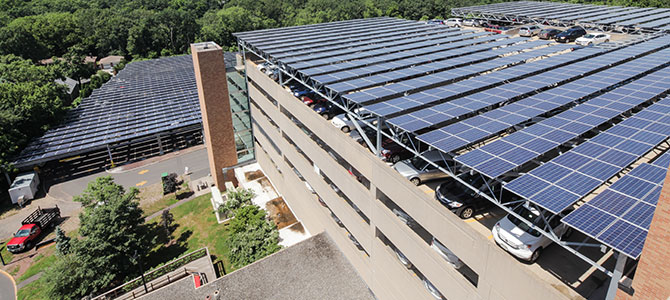
Solar photovoltaic panels are just one of many renewable
energy resources available.
Trending Distributed Energy Resources
We have also seen an increasing trend in distributed energy resource demand. Distributed generation, like rooftop solar or smaller generators, are trending within industrial, commercial, and, at
a smaller scale, residential end-users. Combined heat and power generators can improve energy resilience for commercial and industrial end-users; reducing the impacts of an emergency by keeping critical facilities running without interruption of electric
or thermal service. Residential and commercial energy storage can shift load peaks to and from concentrated geographies.
The Future of Distributed Energy Through Electric Vehicles
Electric vehicles are also beginning to expand the nation’s distributed energy portfolio potential. Domestic electric vehicle ownership is projected to increase to approximately
150 million units by 2030. This shift is expanding beyond individual consumer use and into larger fleets and municipally owned mass-transit vehicles. To put this into perspective, a car with a 30 kWh battery stores as much electricity as the average
U.S. residence consumes in a day. The ability to flexibly manage charging stations while meeting customer demands can provide a new kind of distributed energy resource. Integration of this model into the electric grid can deliver benefits to utility
customers, shareholders, vehicle owners, and entire communities.
About the Author