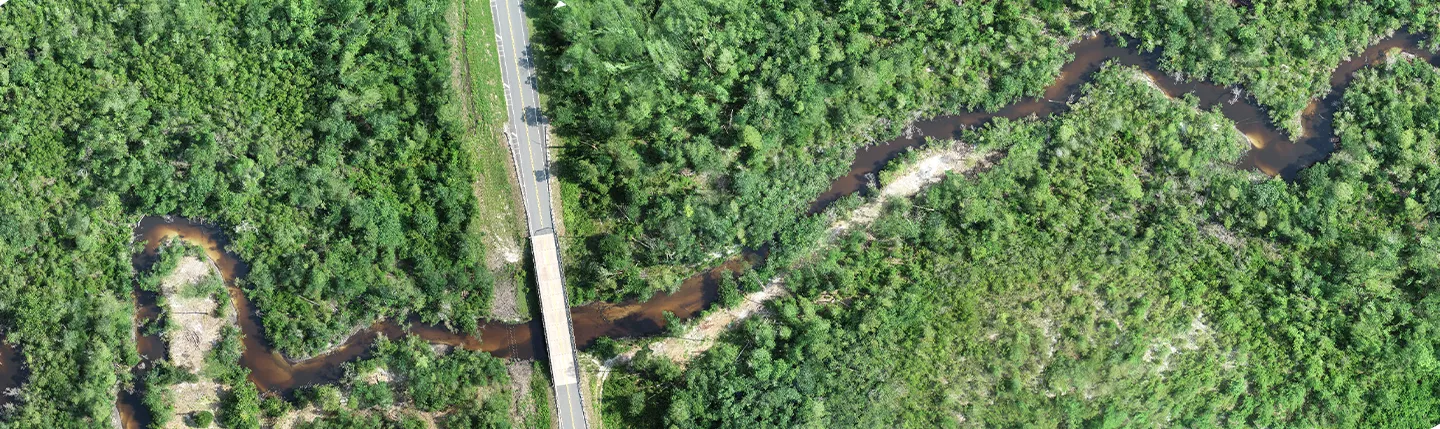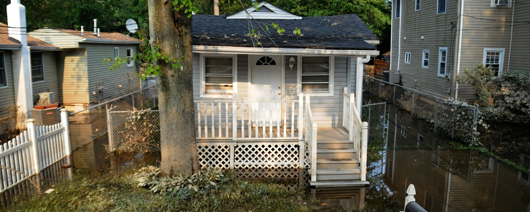
Among natural hazards, floods are the leading cause of property damage and death in the United States. National Flood Safety Awareness Week (March 12-16) is intended to highlight the many ways floods can occur, associated hazards, and what you can do to save property and life.
Where Do Floods Originate?
- Inland flooding due to tropical cyclones – each type of cyclone (tropical depressions, tropical storms, hurricanes, and extratropical) possesses its own, unique flood producing elements
- Snowmelt and ice jams
Types of Flooding
- Flash flood – occurring quickly and without warning due to excessive rainfall or dam/levee failure
- River flood – heavy winter or spring rains combine with melting snow
- Urban flood – urbanization of converting fields to roads and parking lots increases runoff
Associated Hazards
- Landslides – downhill earth movement including rock avalanches
- Debris flow/mudslides – can occur during a flash flood without prediction and are the most common type of landslide, ranging from watery to thick, rocky mud
Save Yourself and Your Property
The majority of flood-related drowning occurs due to driving or walking into flood waters; an easily preventable hazard.
- “Turn around don’t drown” – don’t risk drowning by attempting to cross flooded roadways
- Know your risk – an inch of water can cause costly damage to your property and living near water comes with inherent risk of flooding. Visit www.floodsmart.gov to determine you risk
- Know your role – visit www.ready.gov for instructions on how to build a disaster kit
- Takeaction – flooding is not covered in insurance policies, but reasonably-priced flood insurance options are available through the National Flood Insurance Program.
As floodplain management professionals, we can easily become wrapped up in our technical work and projects. Don’t lose sight of the big picture, and remember that the goal is to reduce loss of life and property. Spreading these simple messages can be highly effective in increasing flood awareness. Take some time this week to spread the word by talking with your family and friends or by sharing Dewberry-developed web content, such as www.region2coastal.com or www.txchart.com.