
Phase IV – Interstate 66/Route 29/Linton Hall Road Interchange
Multi-Phase Improvements Reduce Chronic Congestion
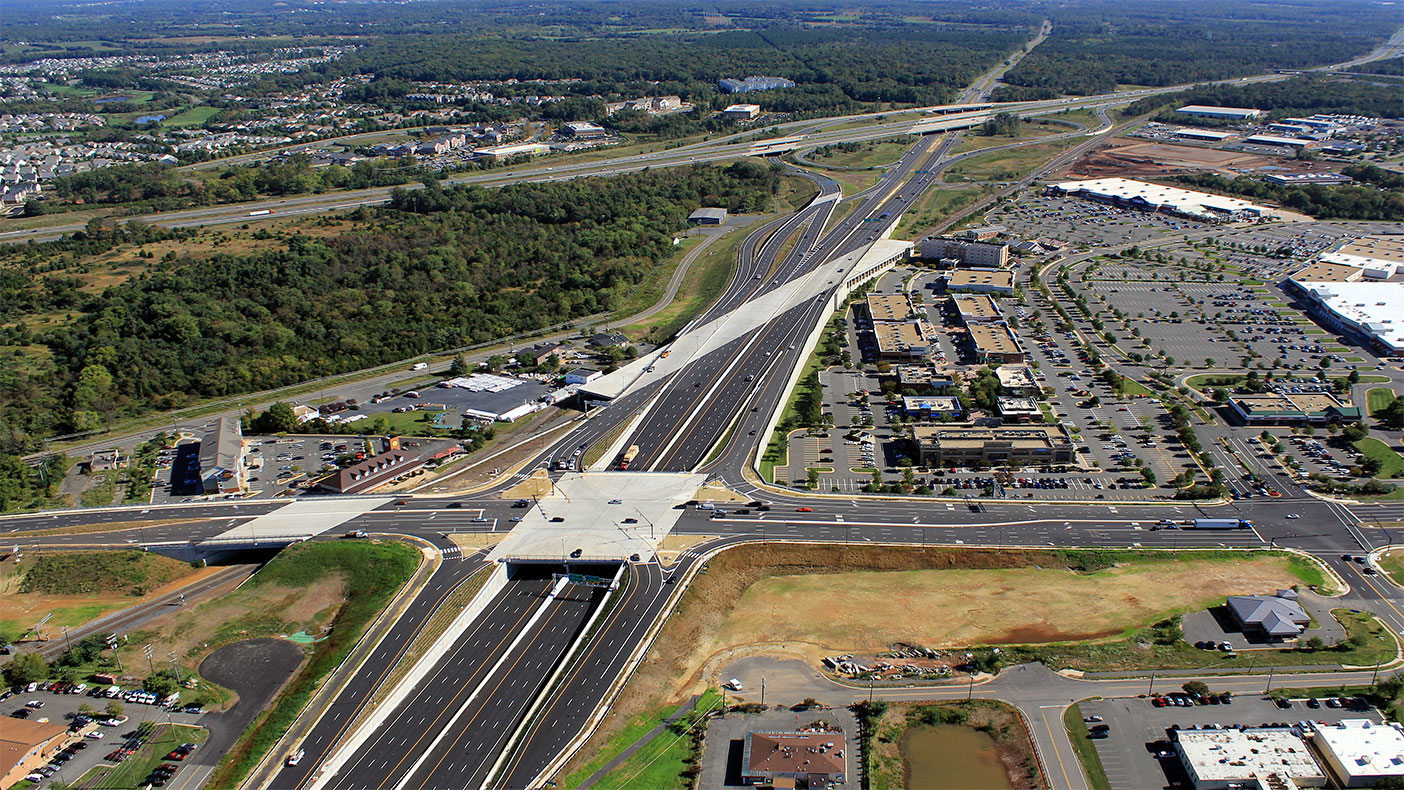
The I-66/Route 29/Linton Hall Road interchange improvement project met the needs of six user groups: freeway traffic, local traffic, freight rail, future passenger rail, pedestrians, and bicyclists.
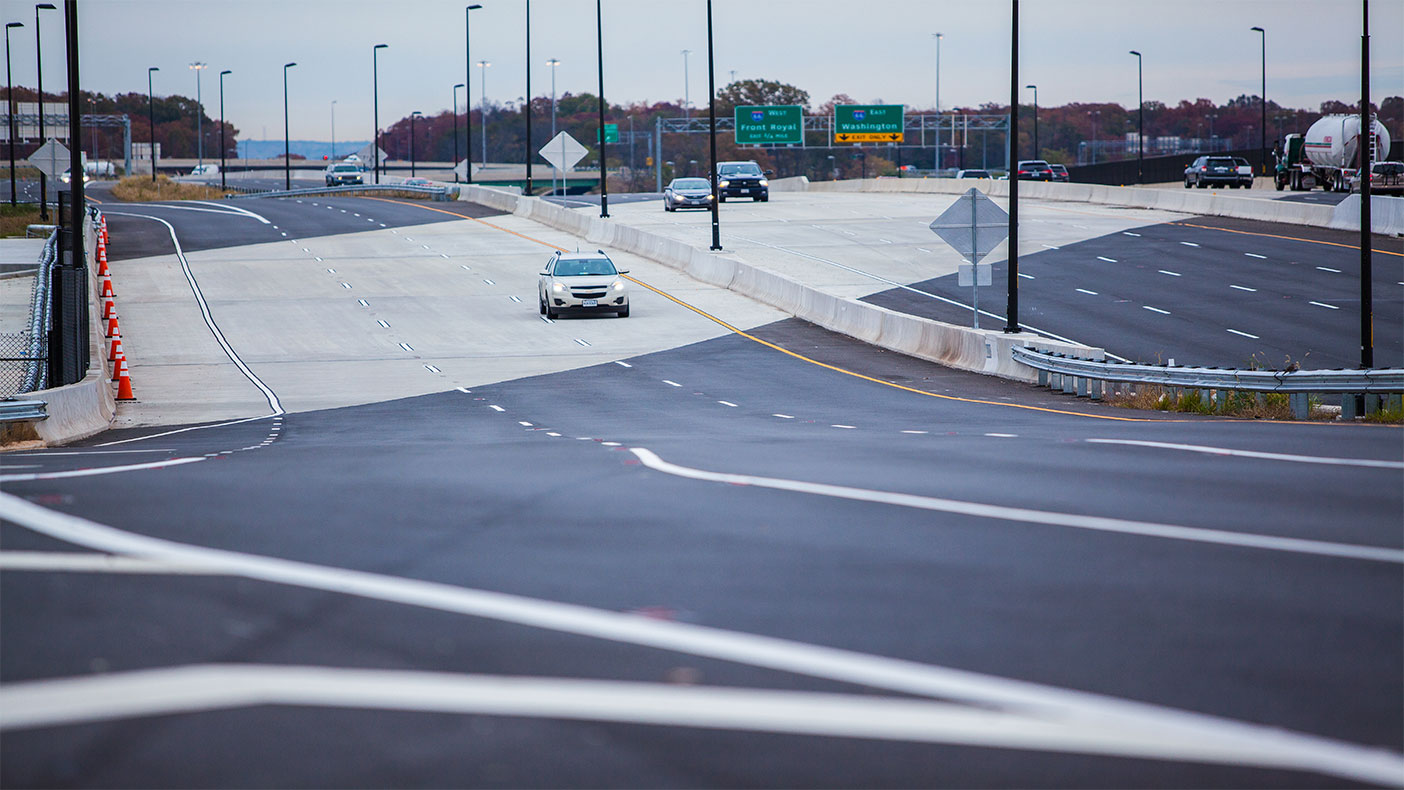
The traditional design-bid-build project was fast-tracked with adaptive designs and plan packaging to segment the project into separate construction contracts aligned with funding availability.
- Client
- VDOT
- Location
- Prince William County, VA
- Services
- Engineering
- Markets
- Transportation
- Cost
- $80 million
- Completed
- 2015
- Region
- Mid-Atlantic
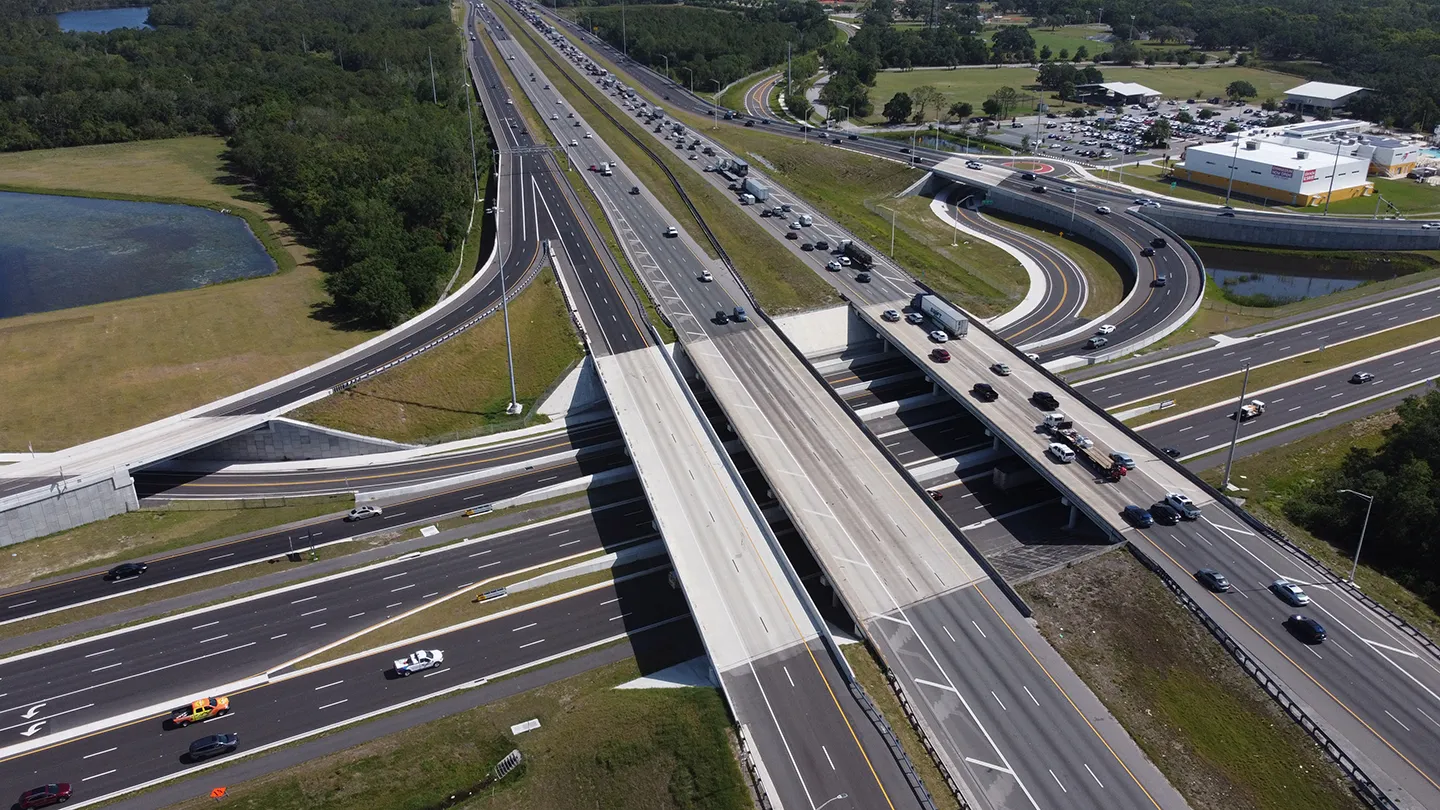
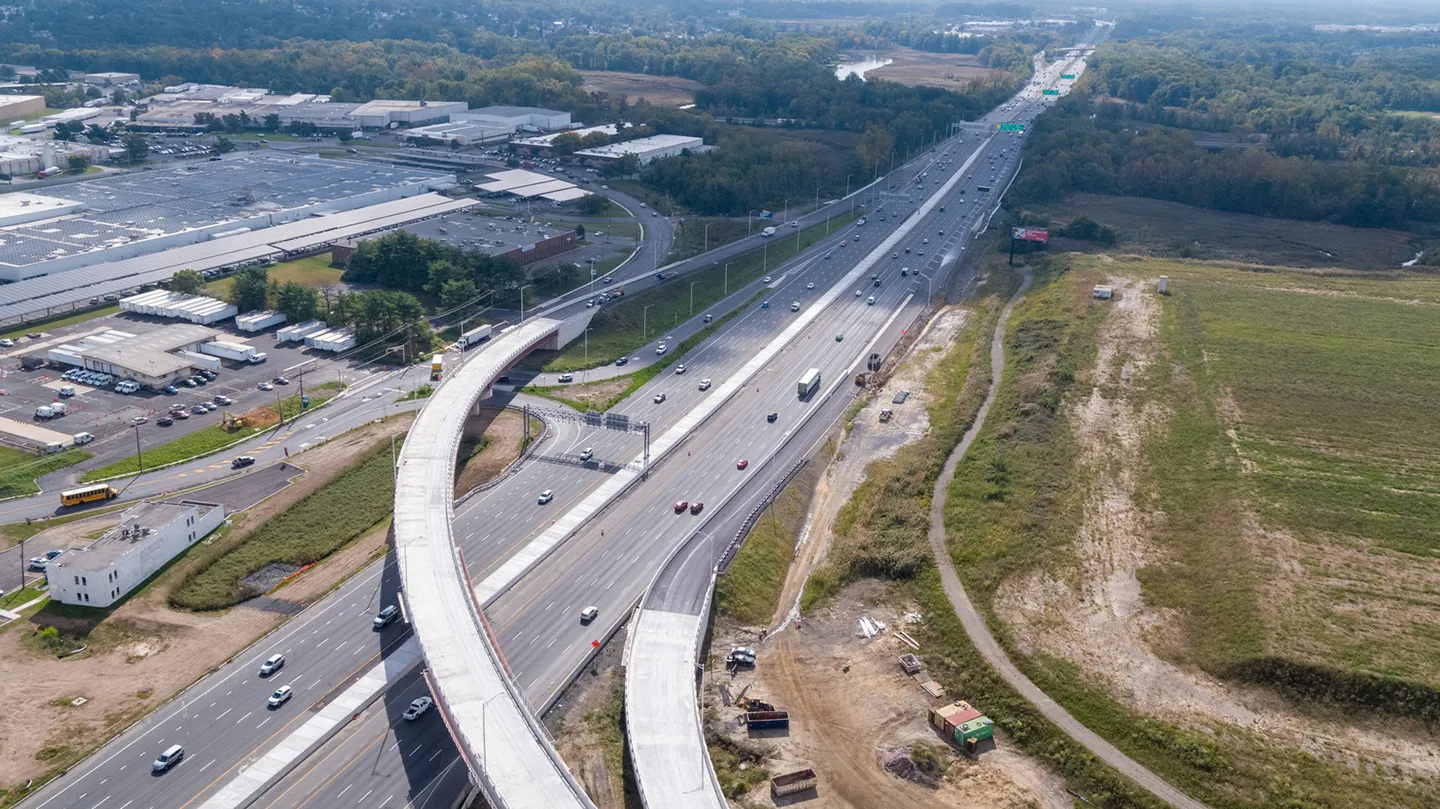
The Interstate 66/Route 29/Linton Hall Road interchange project resolved numerous congestion and safety issues in western Prince William County, including the elimination of a signalized intersection at Route 29 and Linton Hall Road and two at-grade Norfolk Southern Railway crossings.
For the Virginia Department of Transportation (VDOT), we designed a Single Point Urban Interchange that grade-separated Linton Hall Road and Route 55 over Route 29. Route 29 and Linton Hall Road were elevated over the railroad and now accommodates double-stack trains and future expansion to four tracks. Route 29 was also converted to a limited access highway for one mile.
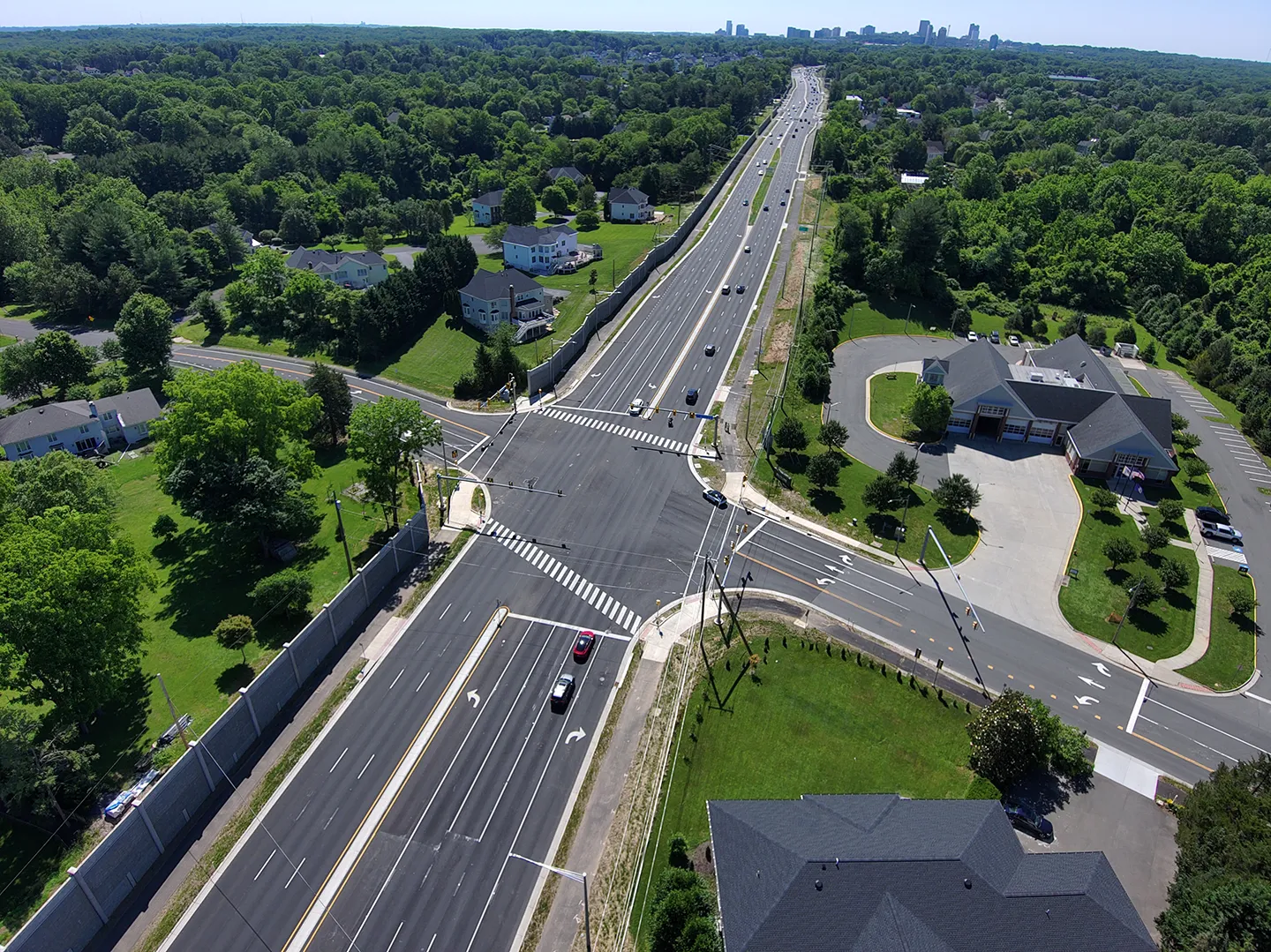
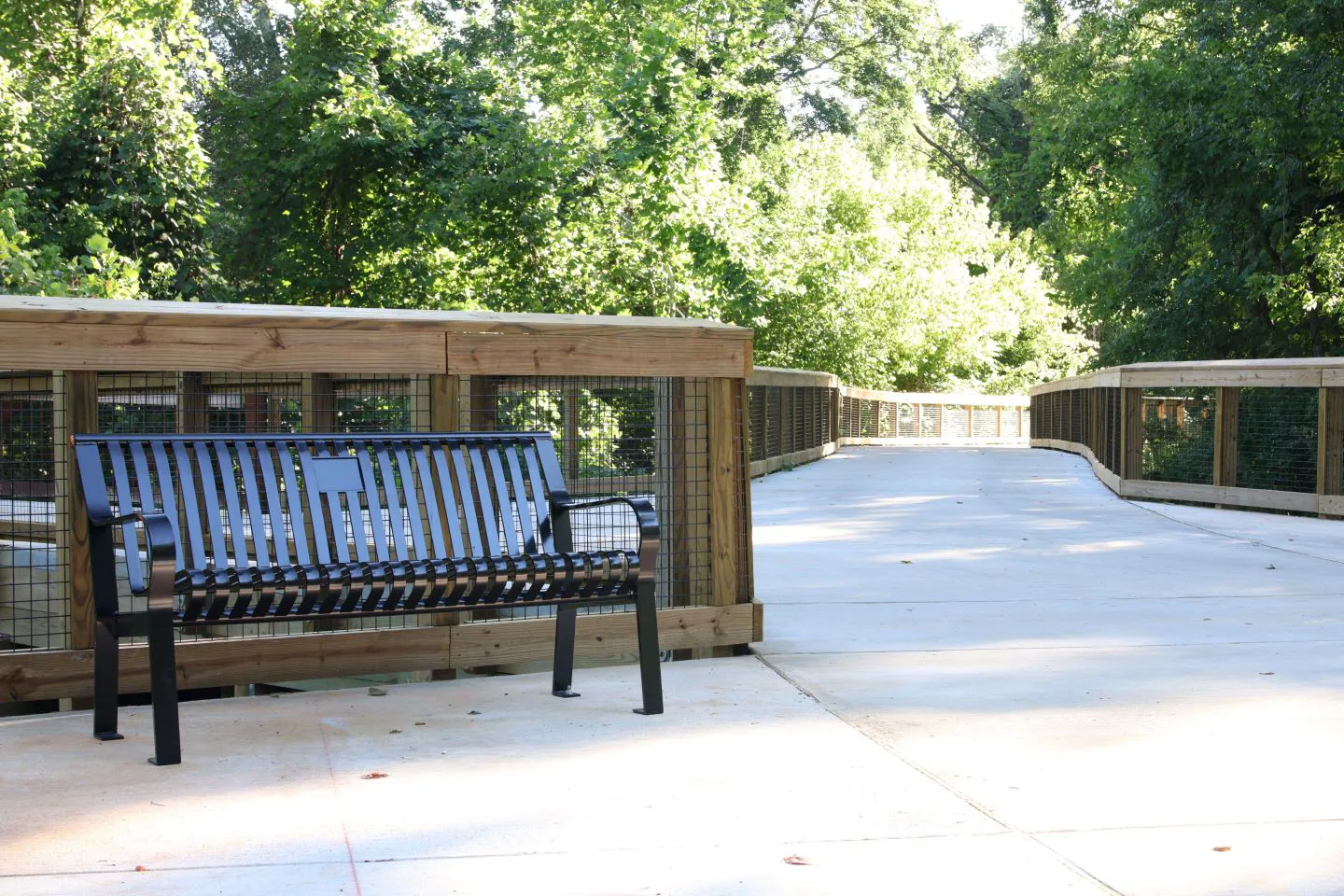
The project included four bridges, ten retaining walls, ten ramps, local access roadways, three traffic signals, overhead signs, substantial ground improvements, architectural treatments, lighting, stormwater management measures, and landscaping. New pedestrian and bicycle accommodations now provide safe multimodal alternatives. The interchange design and retaining walls minimized impact on the surrounding development.
Separate construction contracts kept the project on schedule as funding became available, dividing the work into three phases that addressed advance demolition, advance detour roads, and interchange construction. We devised an innovative five-stage traffic control plan that maintained and improved traffic conditions and pedestrian connectivity throughout construction.
4
bridges
10
retaining walls
10
ramps
5
stages of temporary traffic control
900,000
cubic yards of embankment
Related Insights
Related Projects

- Location
- New York, NY