World Trade Center Salt Damage Remediation
Flood Resilience Improvements for Critical Infrastructure at a Historic Site
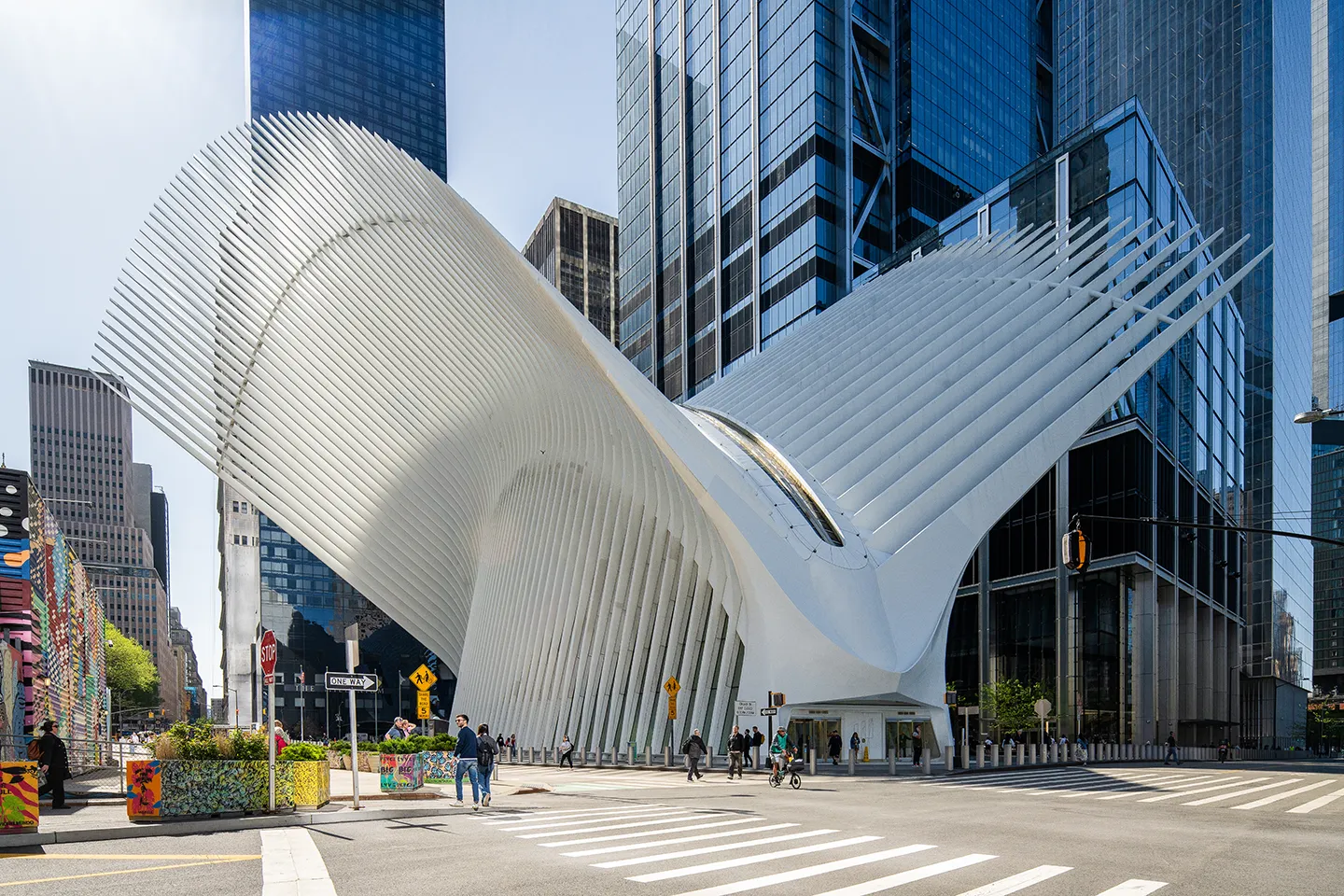
Located directly below the Oculus, the Central Fan Plant houses large mechanical equipment that serves the public spaces above.
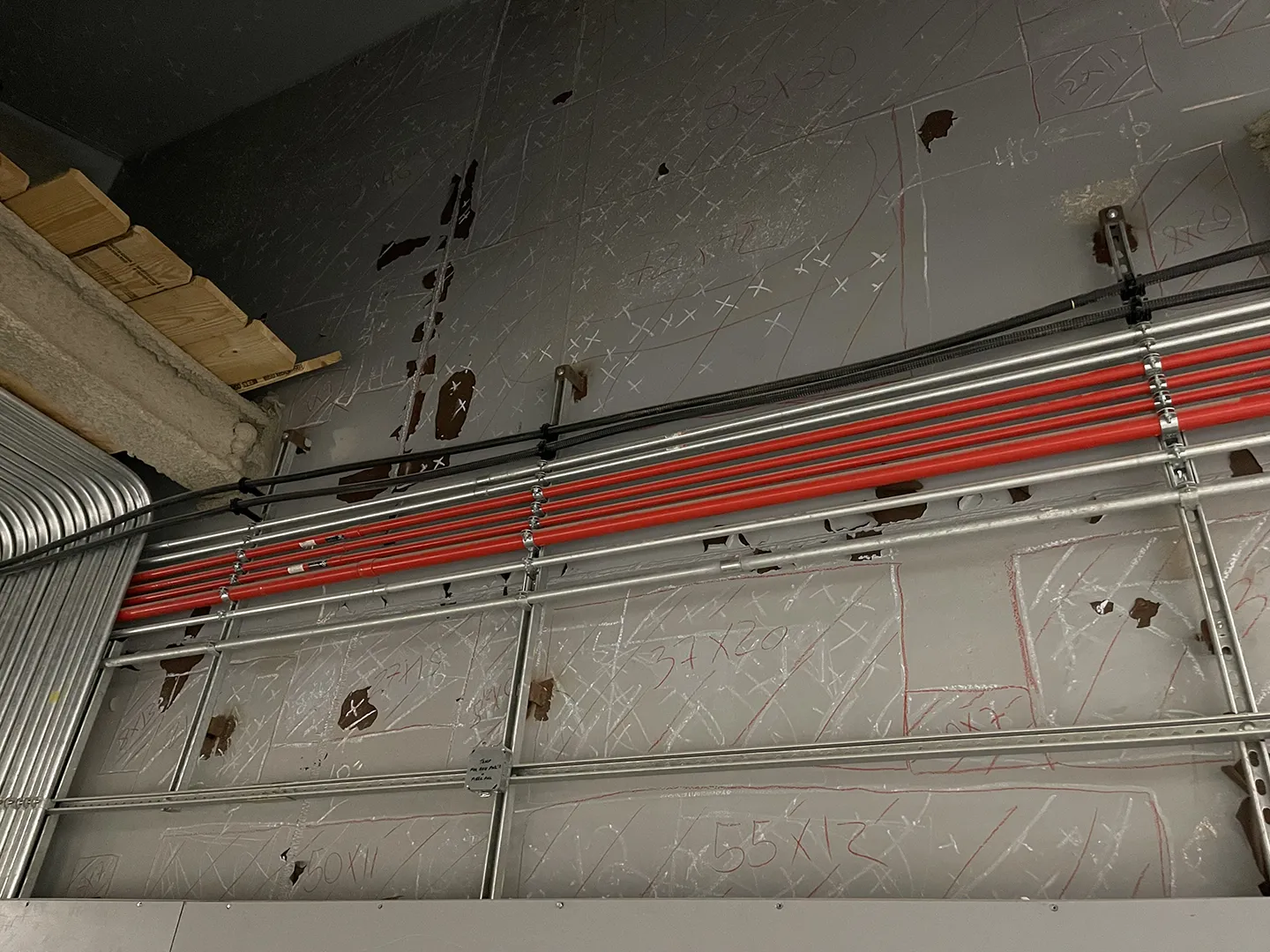
Acoustic testing performed on the Central Fan Plant helped to locate and seal voids between the steel blast plates and concrete surface.
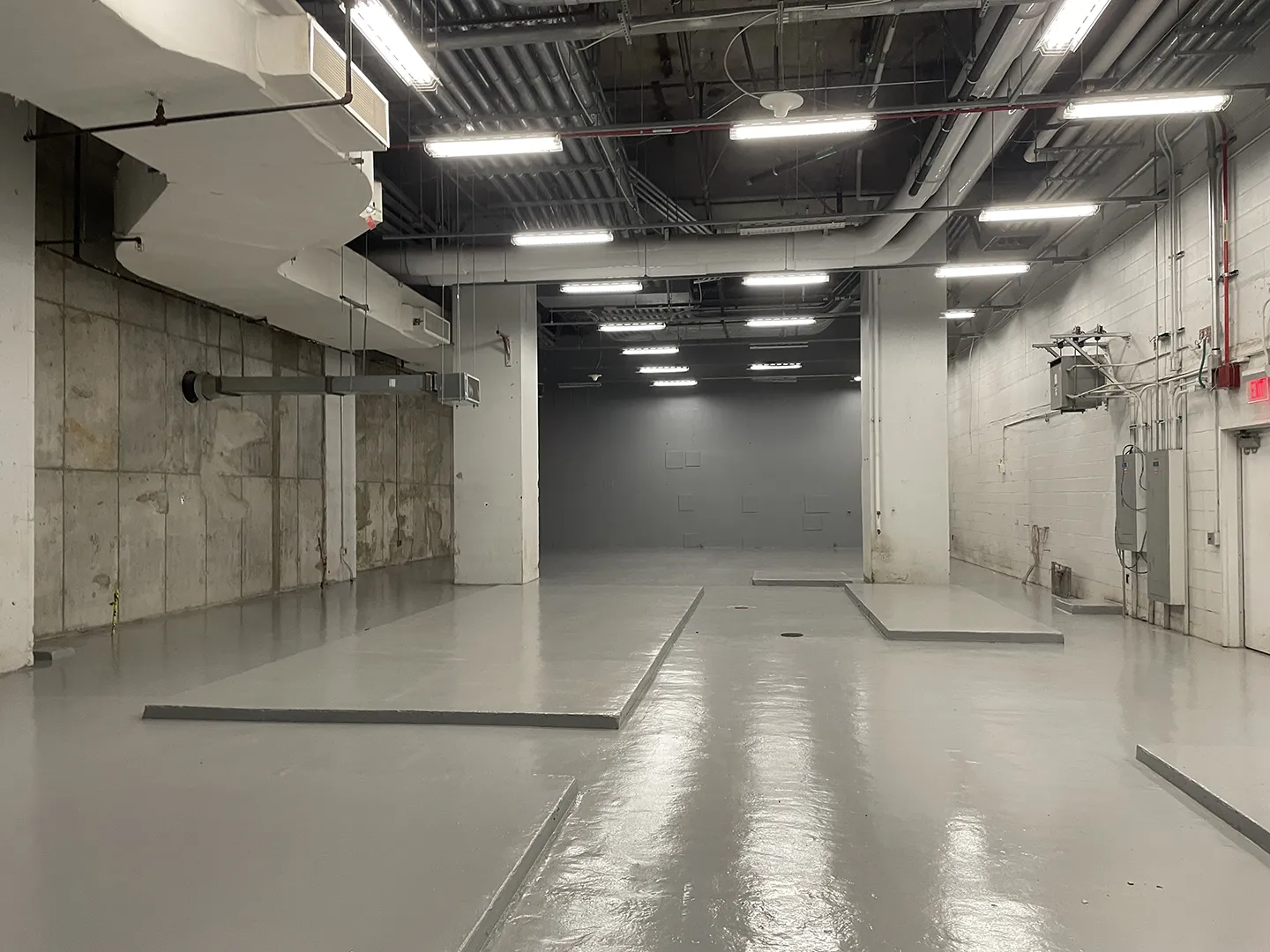
The PATH Track Level’s voids were injected with epoxy, then cleaned and painted.
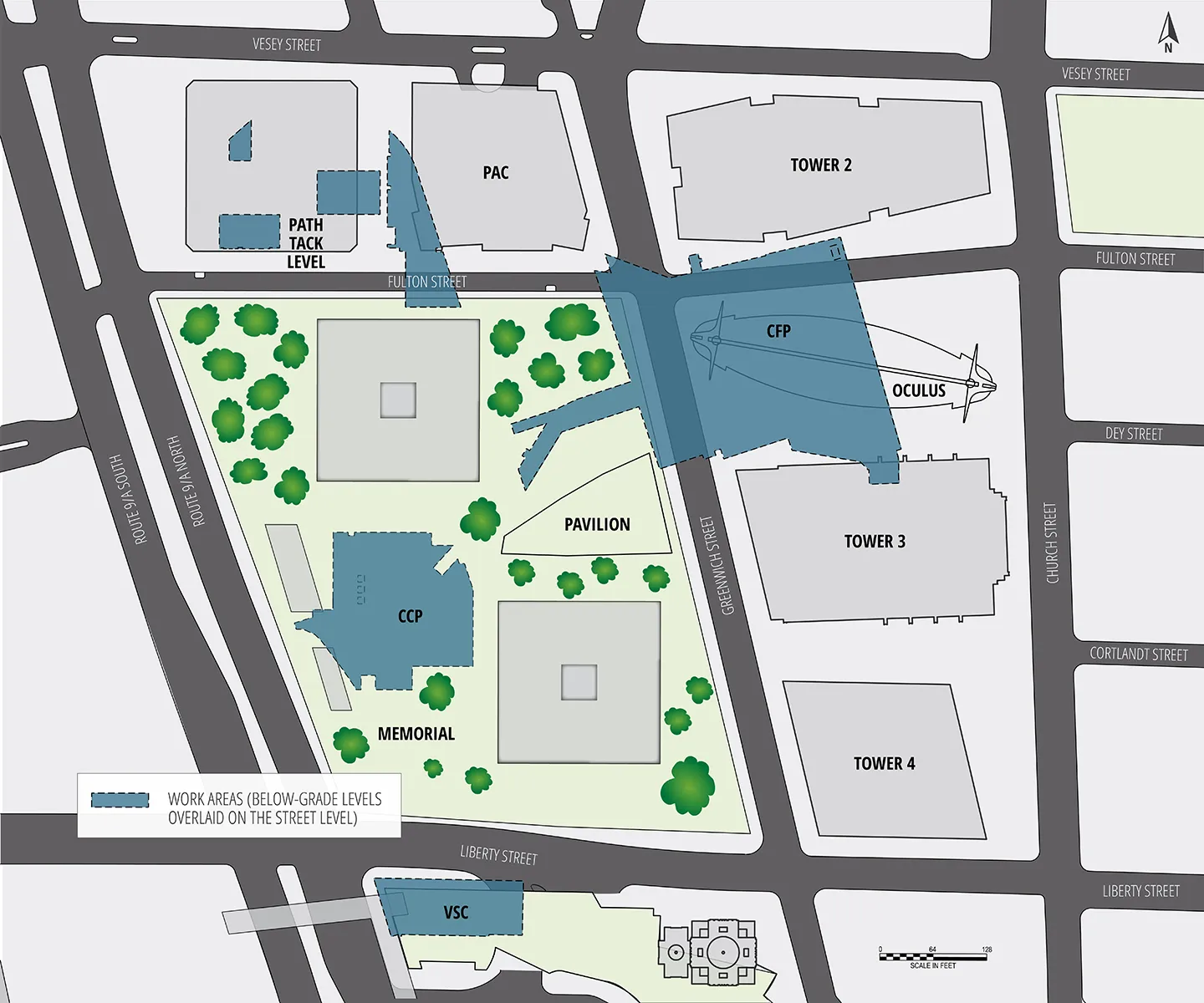
This map highlights work areas below the World Trade Center complex, including the Central Fan Plant, Vehicular Security Center, PATH Track Level, and Central Chiller Plant.
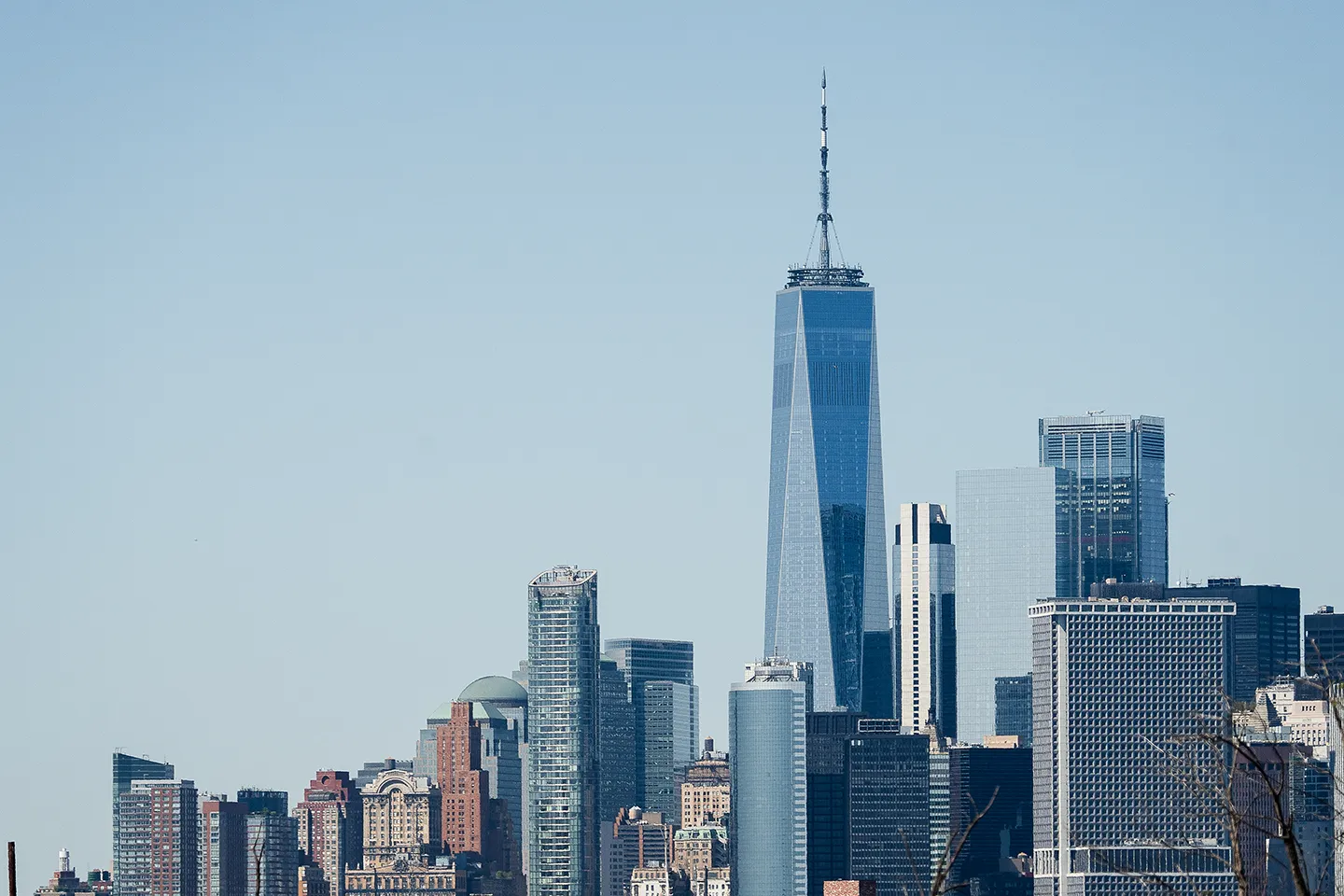
The PATH Track Level, a hub of offices, workshops, and equipment rooms, is located below the One World Trade Center.
- Client
- Structural Preservation Systems
- Owner
- Port Authority of New York and New Jersey
- Location
- New York, NY
- Cost
- $32 million
- Completed
- December 2024
- Region
- Northeast
One World Trade Center, the Oculus, and the memorial at Ground Zero serve to represent the resilience of New Yorkers following the tragedy on Sept. 11, 2001. Underneath these structures, there is a network of below-ground offices, workshops, shipping lanes, and passages, including four critical hubs for the Port Authority of New York and New Jersey (PANYNJ): the Central Fan Plant (CFP), Vehicle Security Center (VSC), PATH Track Level (PTL), and Central Chiller Plant (CCP). Continuous operation of the underground network is crucial to the shopping centers, food vendors, and offices above. In 2012, Hurricane Sandy flooded the underground levels of the World Trade Center complex, which was still under construction at the time, with an estimated 125 million gallons of saltwater. Chloride within the saltwater threatened the complex’s concrete and steel structure and therefore would require immediate repairs.
As lead designer as part of the design-build team, we performed field inspections of PANYNJ’s four critical hubs and provided design for associated repairs to meet a 100-year service life. Our team performed a variety of tests to locate and quantify voids hidden behind steel blast plates. First, we deployed ultrasonic testing, extraction of plate samples, and load-testing of the existing stud-anchors to verify the adequacy of the existing plates. The second test was acoustic testing. If concrete is tapped with a hammer and a hollow sound is emitted, the concrete is delaminated and likely needs repair. This same concept was implemented to locate void regions behind the steel blast plates. The inspection teams used a wheeled tool to quickly sound larger areas in tandem with standard hammers for localized areas. Finally, we used infrared testing to validate the acoustic testing. Repairs included sealing cracks greater than or equal to 0.012 inches and voids with epoxy, installing new resinous floor coatings, and painting surfaces damaged by saltwater.
Planning was vital to mitigate impacts for pedestrians and workers. Work occurred in heavily trafficked zones, including an active below-grade roadway network used for daily operations. Construction was phased to alleviate impacts on workers and pedestrians, including lane closures and night or weekend work.
Through collaboration with the design-build team, third parties, and the client, the project was completed on schedule and under budget. The repairs met the goal of a 100-year, water-resilient service life.
125
million gallons of saltwater damage
100
year project service life
Awards
-
Platinum Award, Structural Systems, 2026 Engineering Excellence Awards
American Council of Engineering Companies (ACEC) New York
Related Projects
- Location
- Currituck County, NC
- Location
- Denver, CO
- Location
- Nationwide
- Location
- New York, NY
- Market
- Water
- Location
- Prince George's County, MD