Route 7 Corridor Improvements
A Design-Build Project Improving a Heavily Traveled Commuter Corridor by Increasing Capacity and Enhancing Traffic Operations
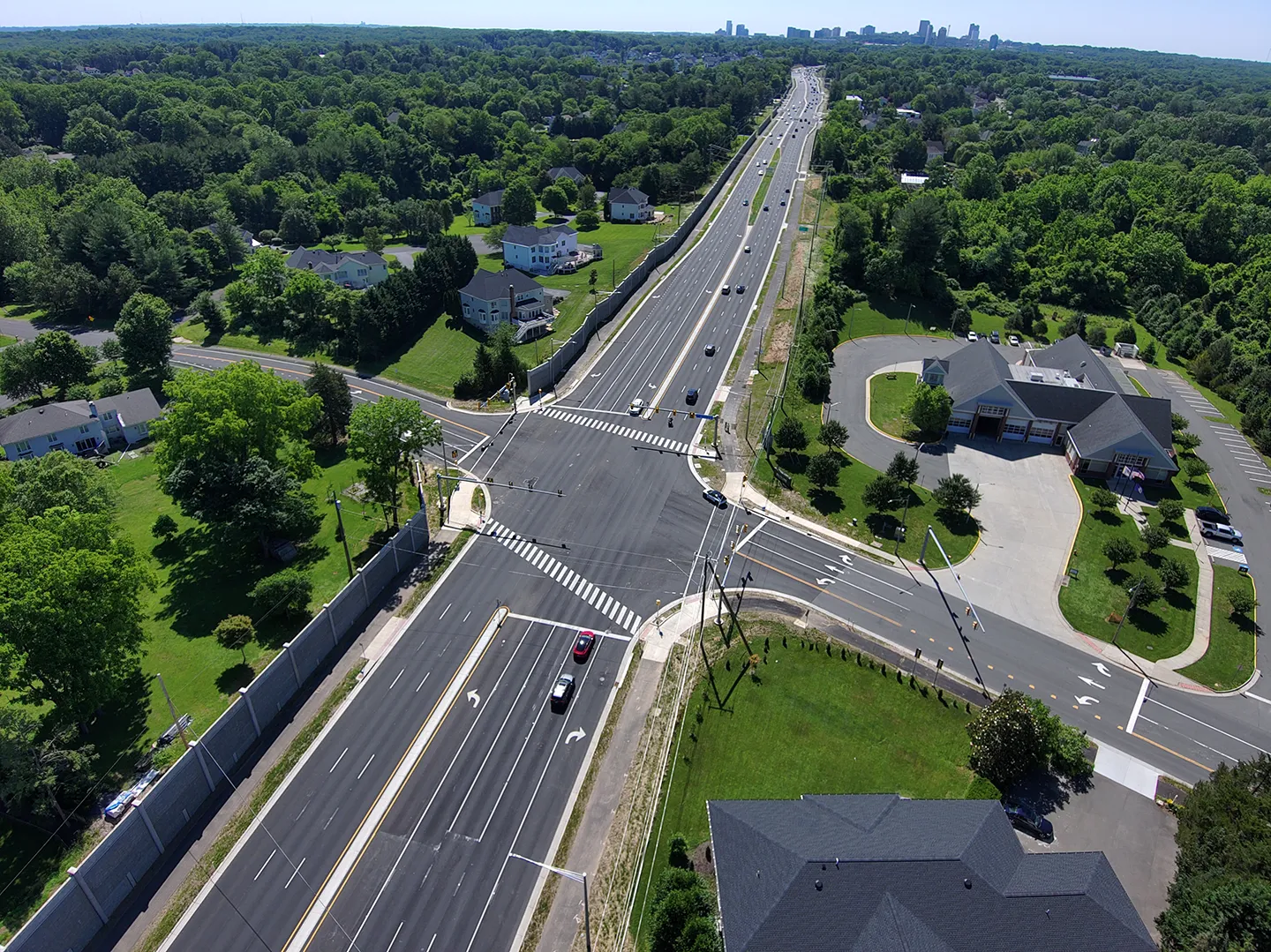
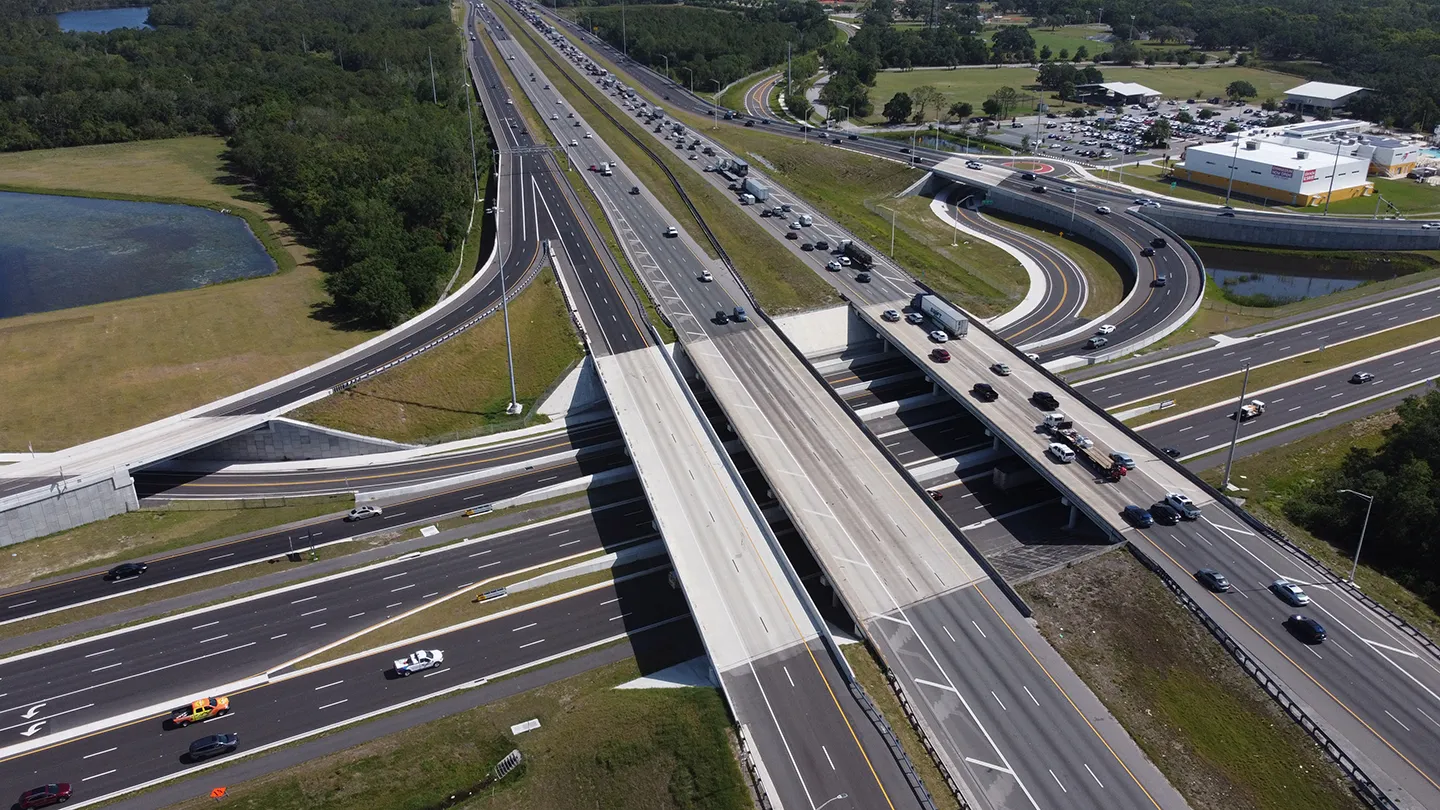
The project promotes the safety and quality of life of commuters in Northern Virginia. Photo courtesy of VDOT.
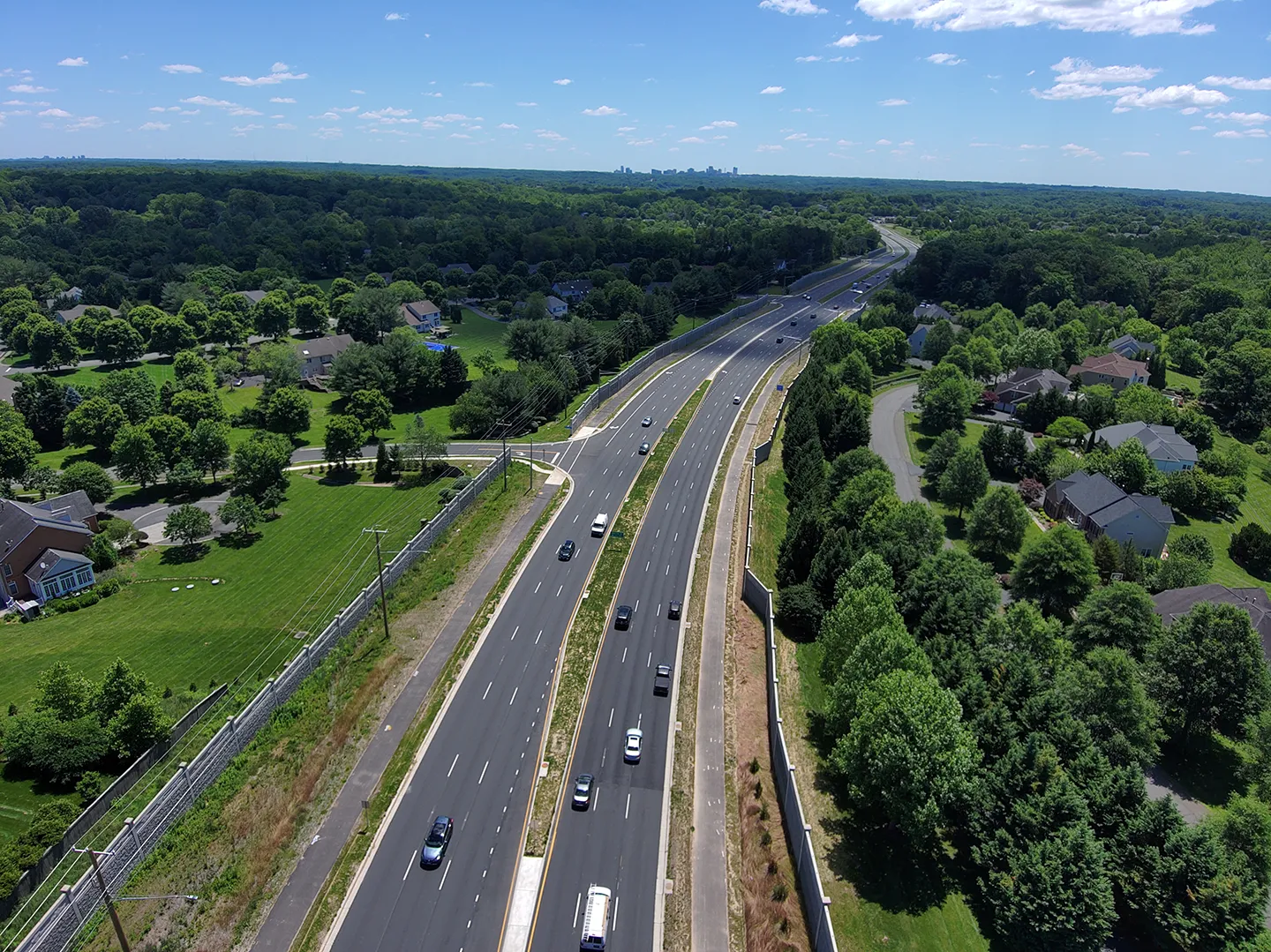
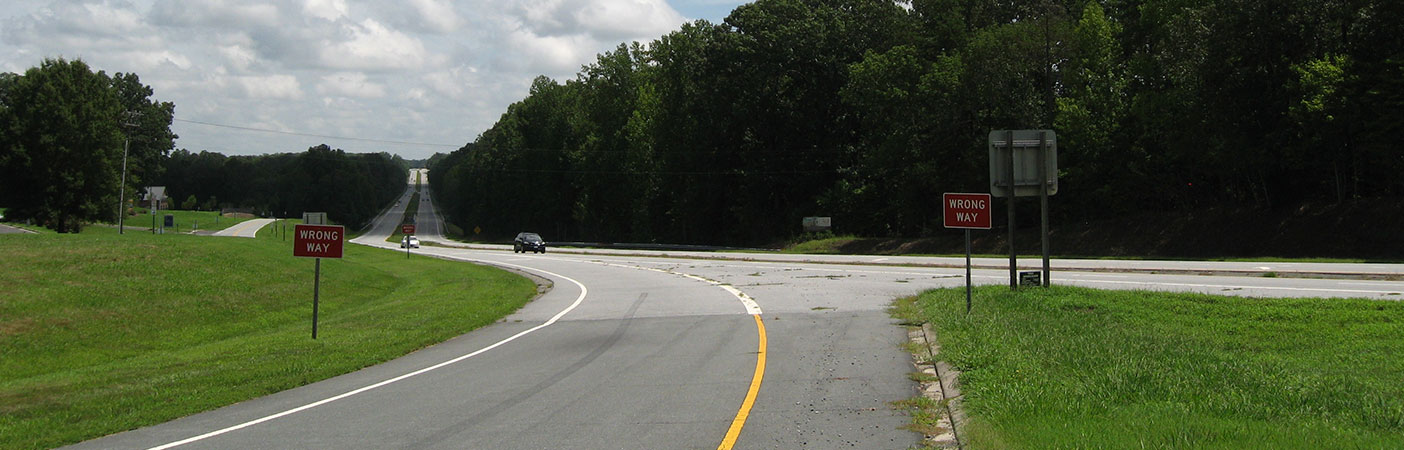
Route 7 was widened from four to six lanes to increase capacity and improve traffic operations. Photo courtesy of VDOT.
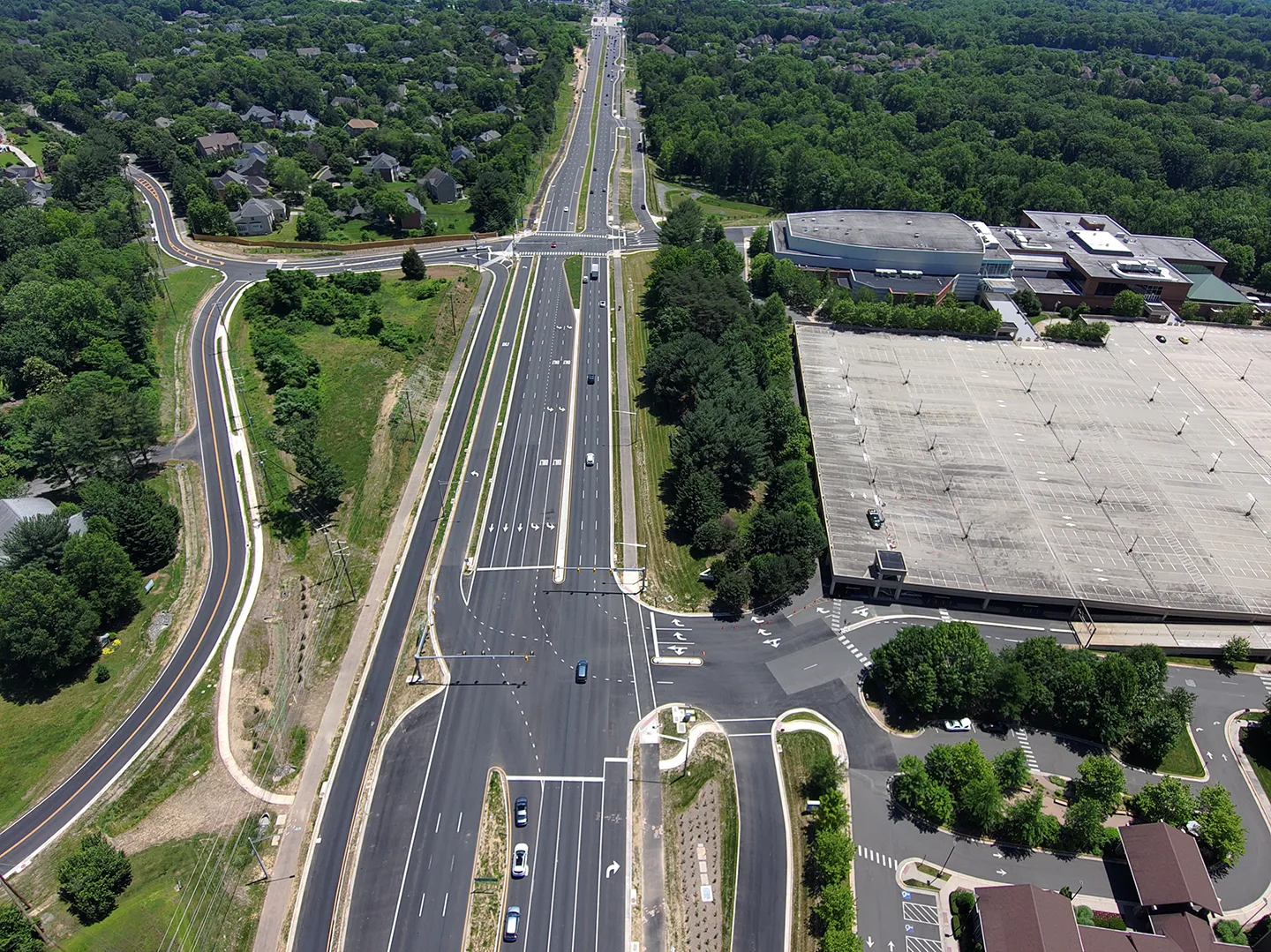
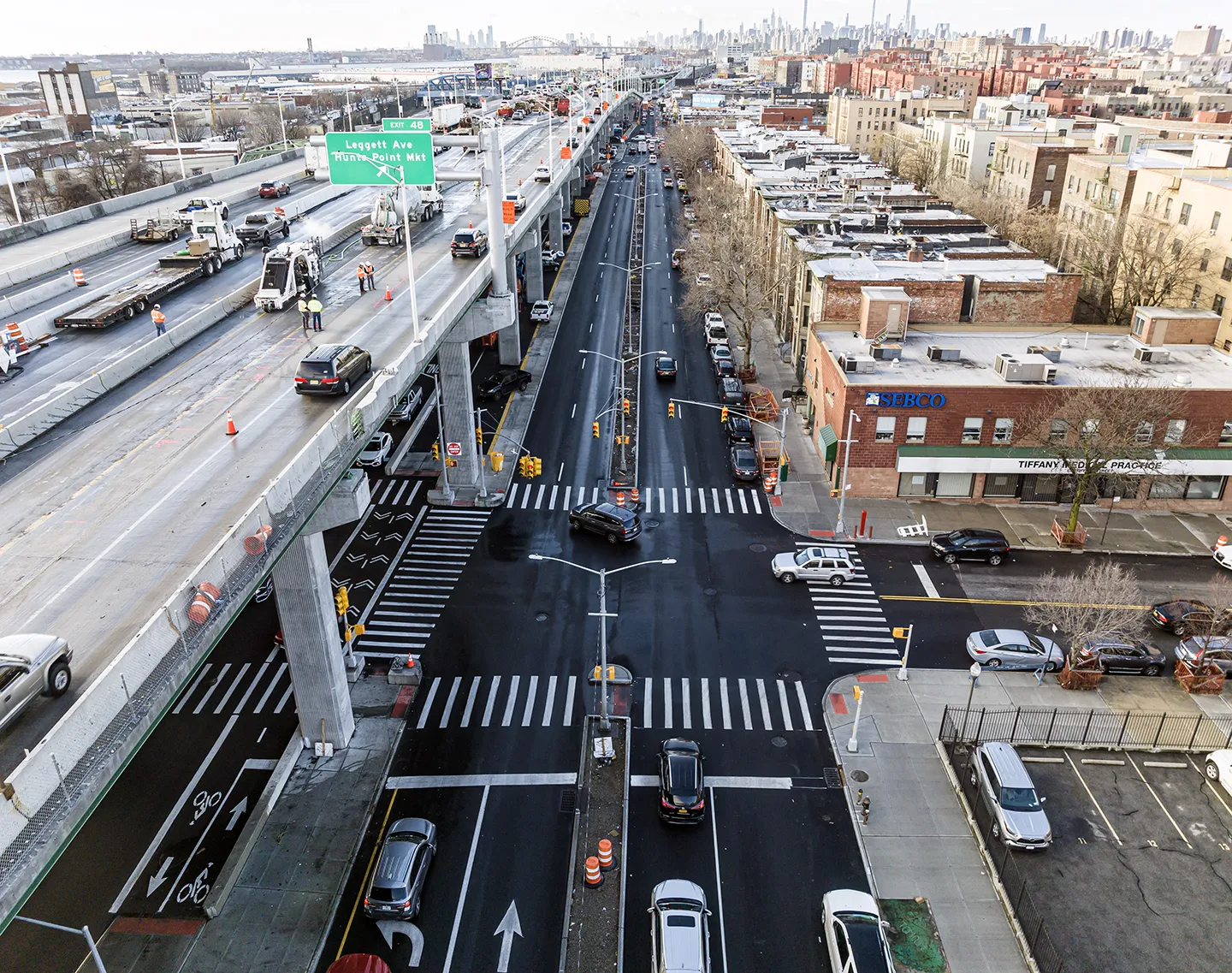
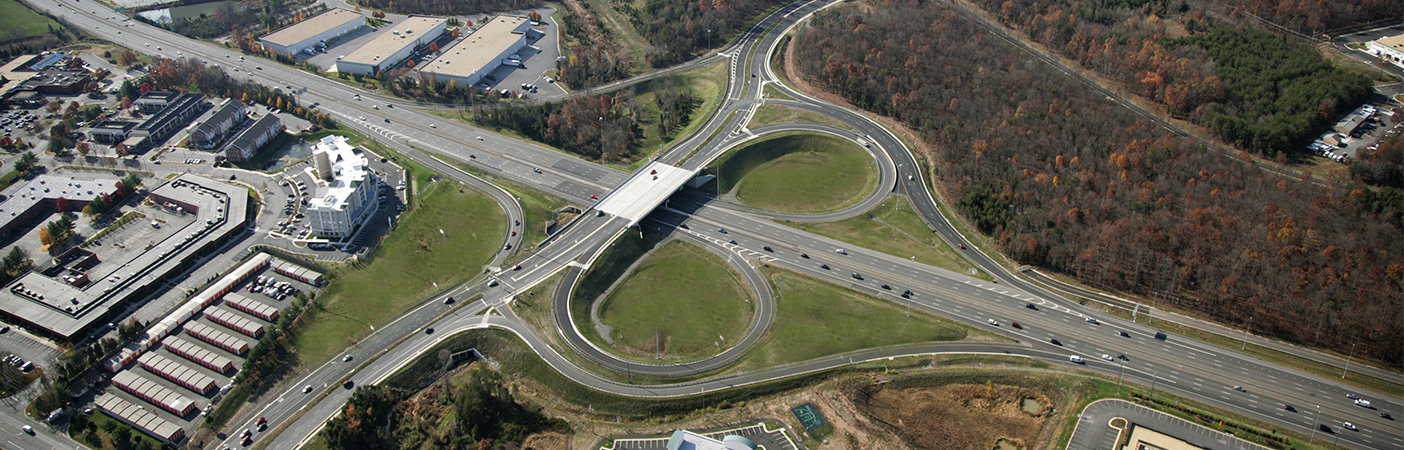
The Lewinsville Road intersection’s innovative Displaced Left-Turn Lane is the first in Northern Virginia. Photo courtesy of VDOT.
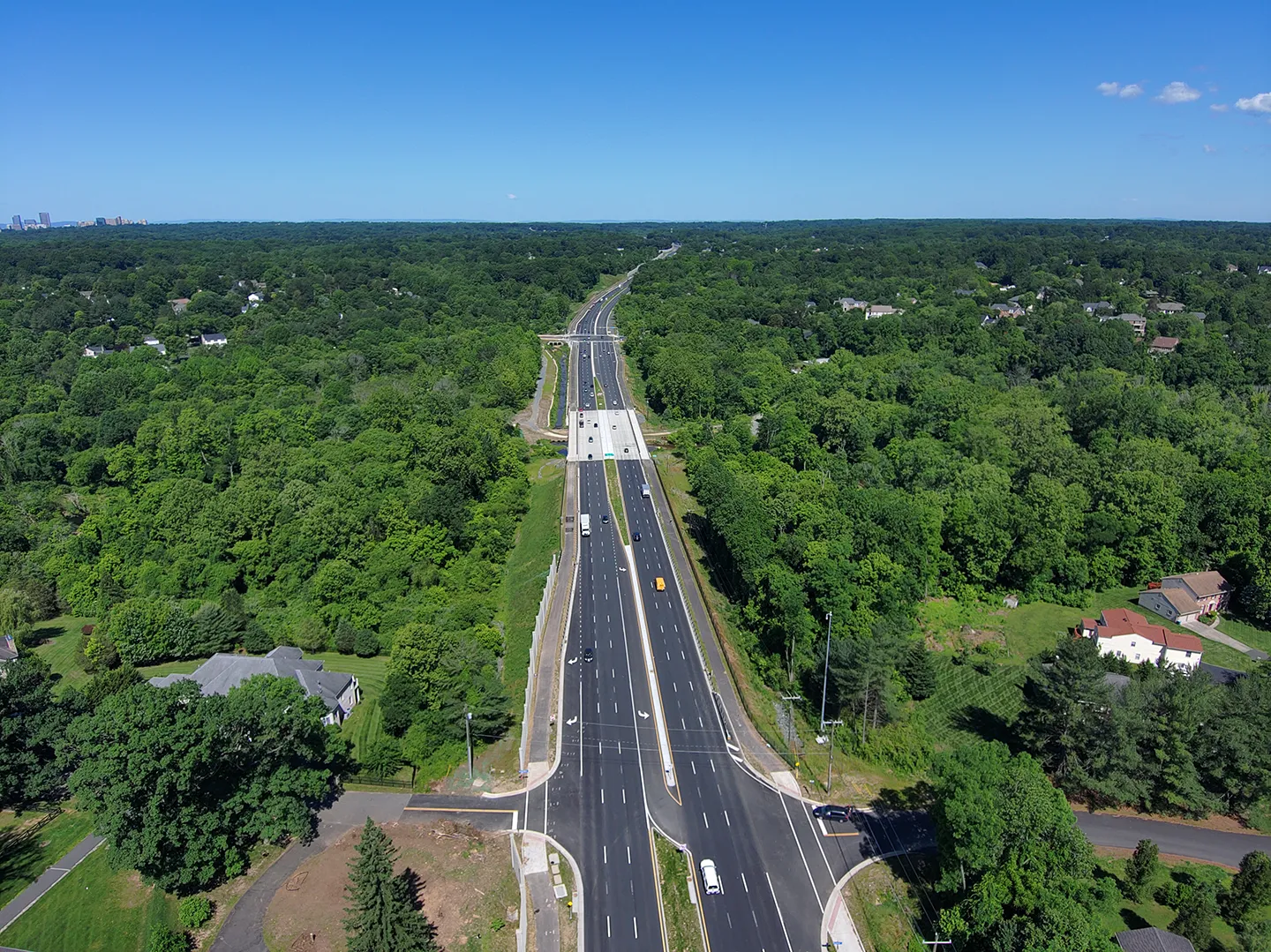
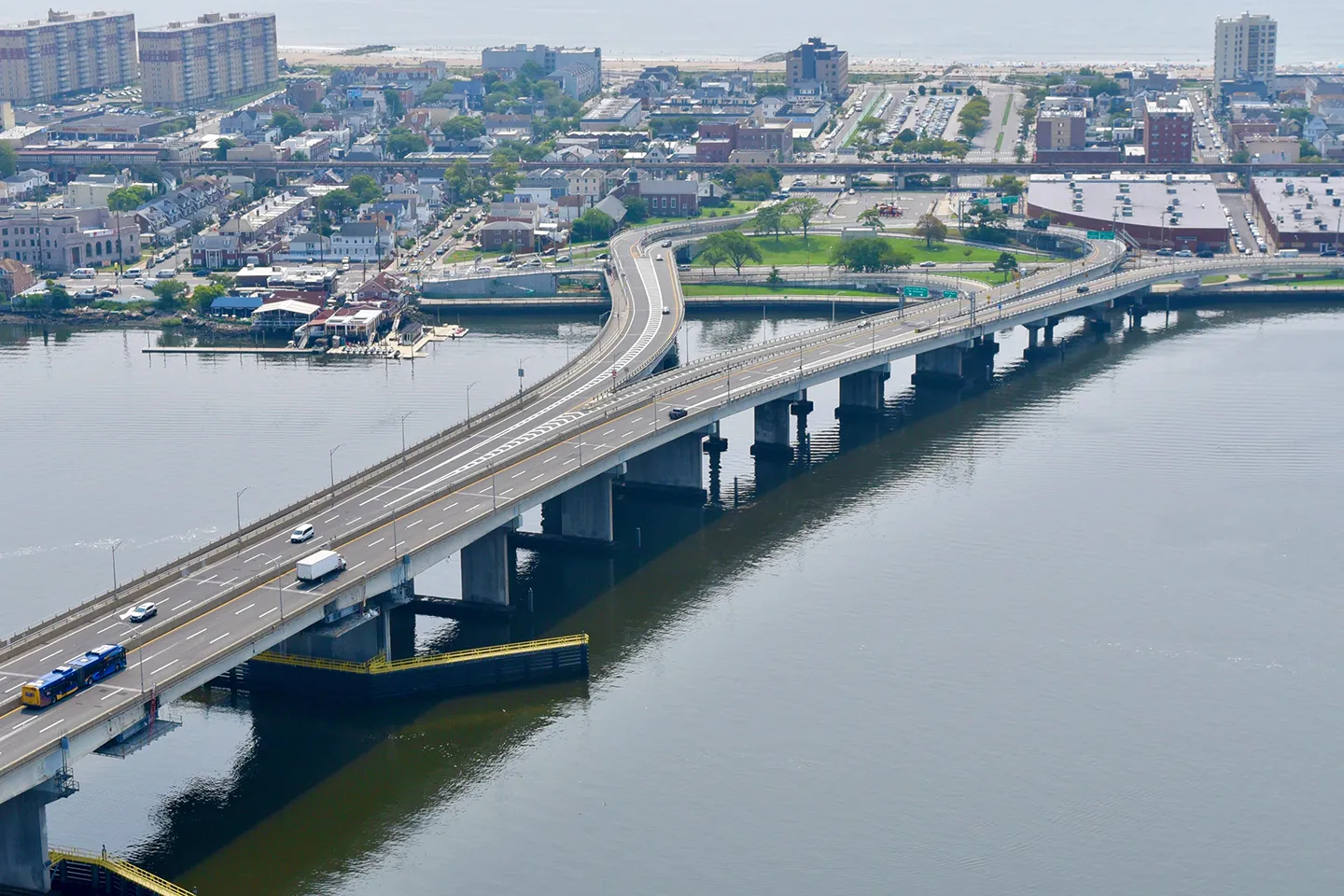
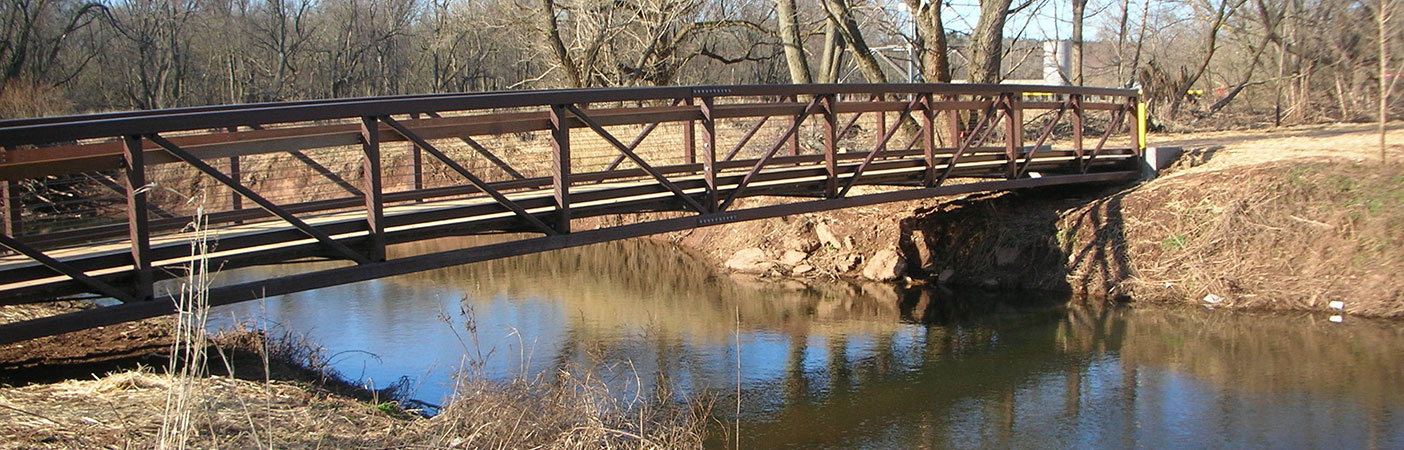
A new bridge over Difficult Run addresses flooding concerns and accommodates traffic, pedestrian, and bicycle use. Photo courtesy of VDOT.
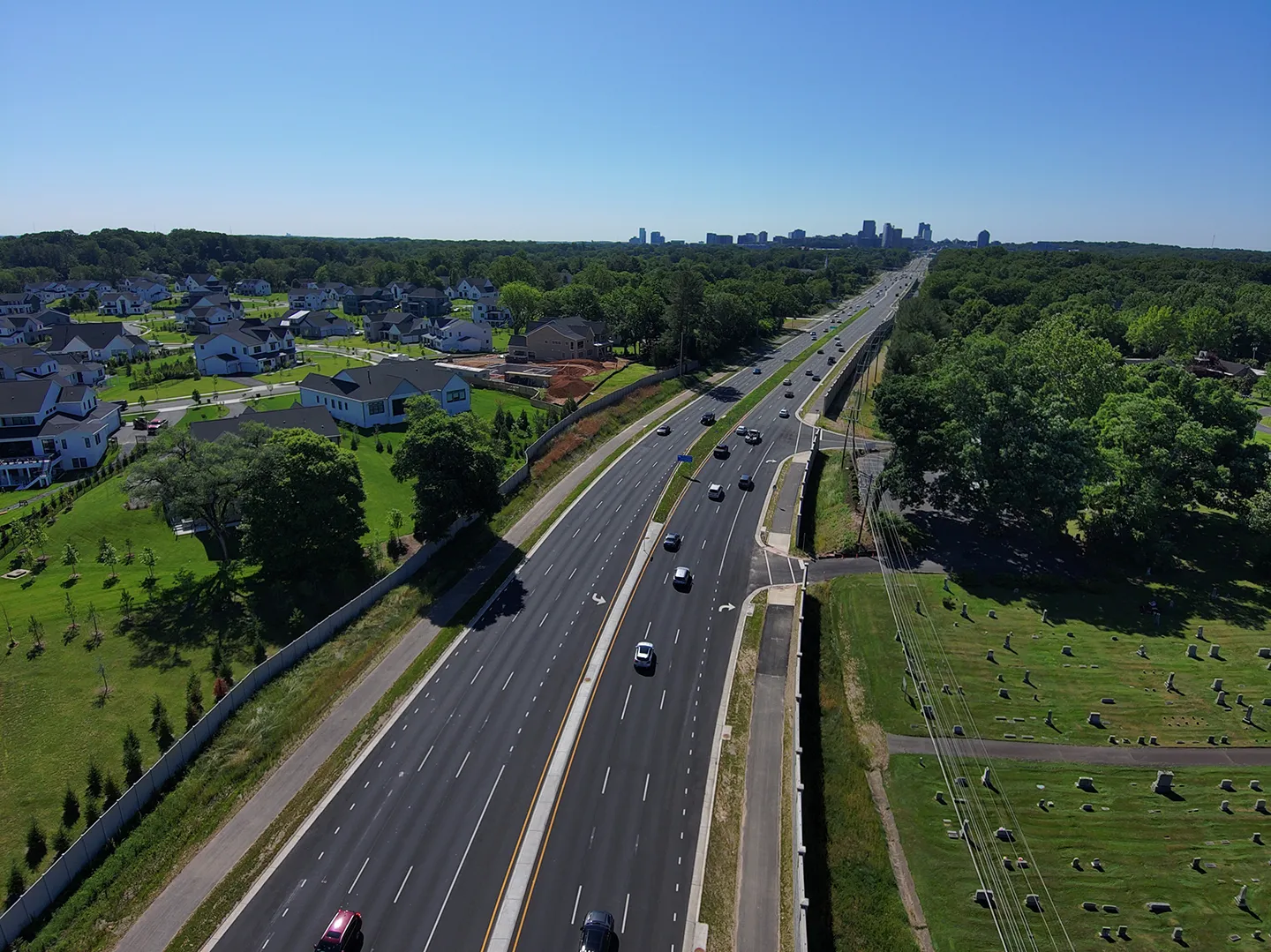
Continuous shared-use paths promote mobility for motorists, bicyclists, and pedestrians. Photo courtesy of VDOT.
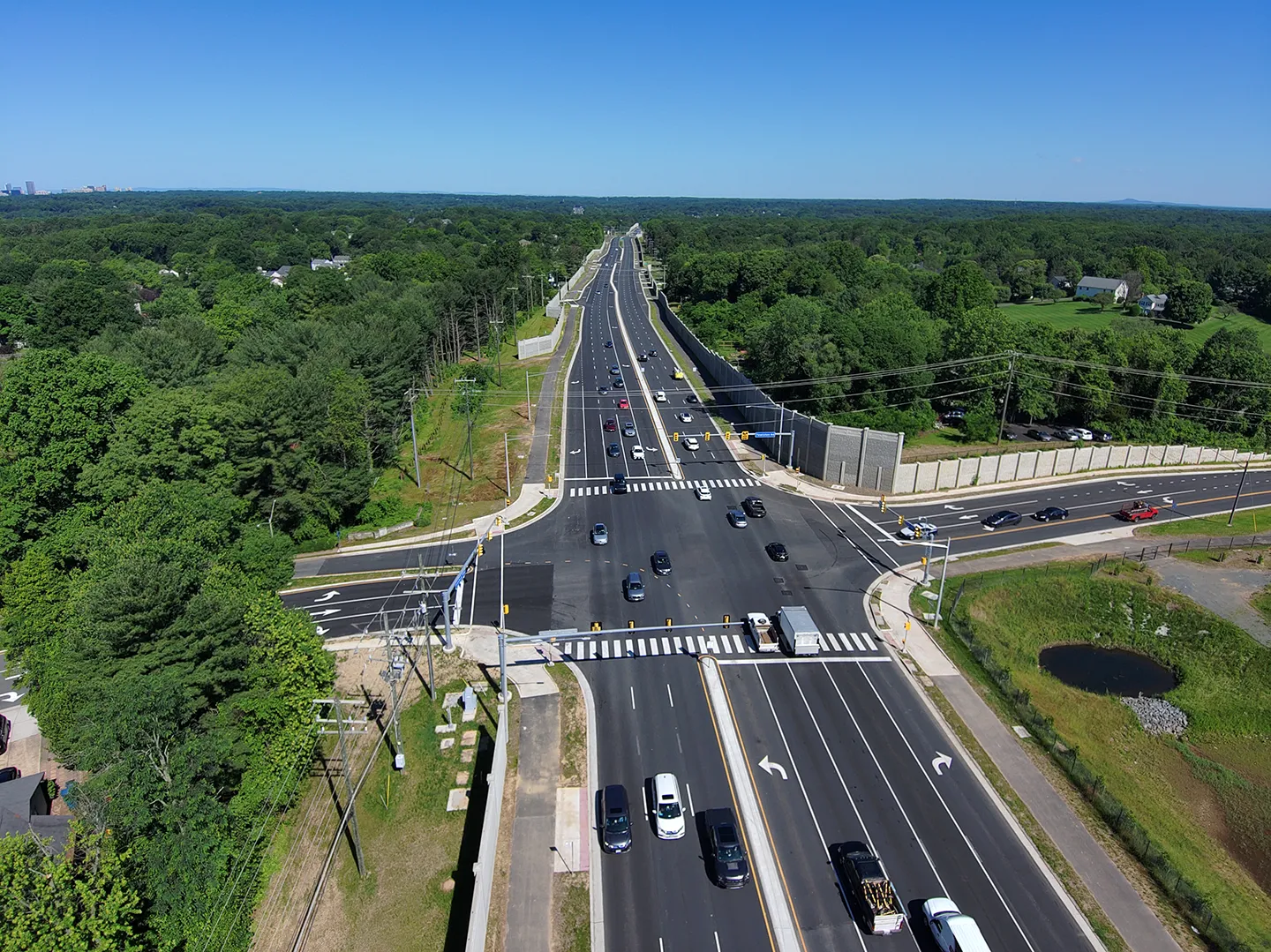
The corridor currently carries over 50,000 vehicles per day. Photo courtesy of VDOT.
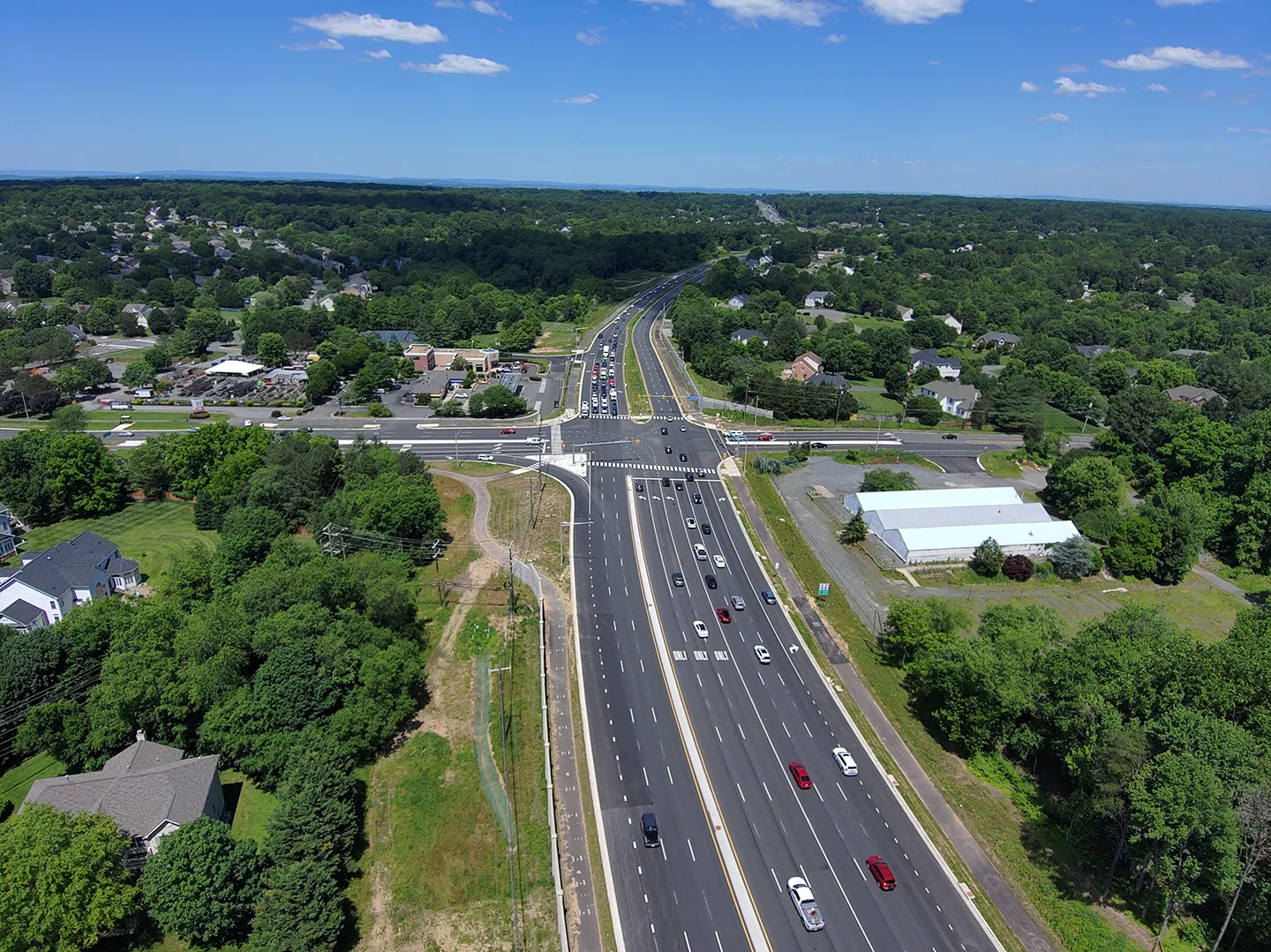
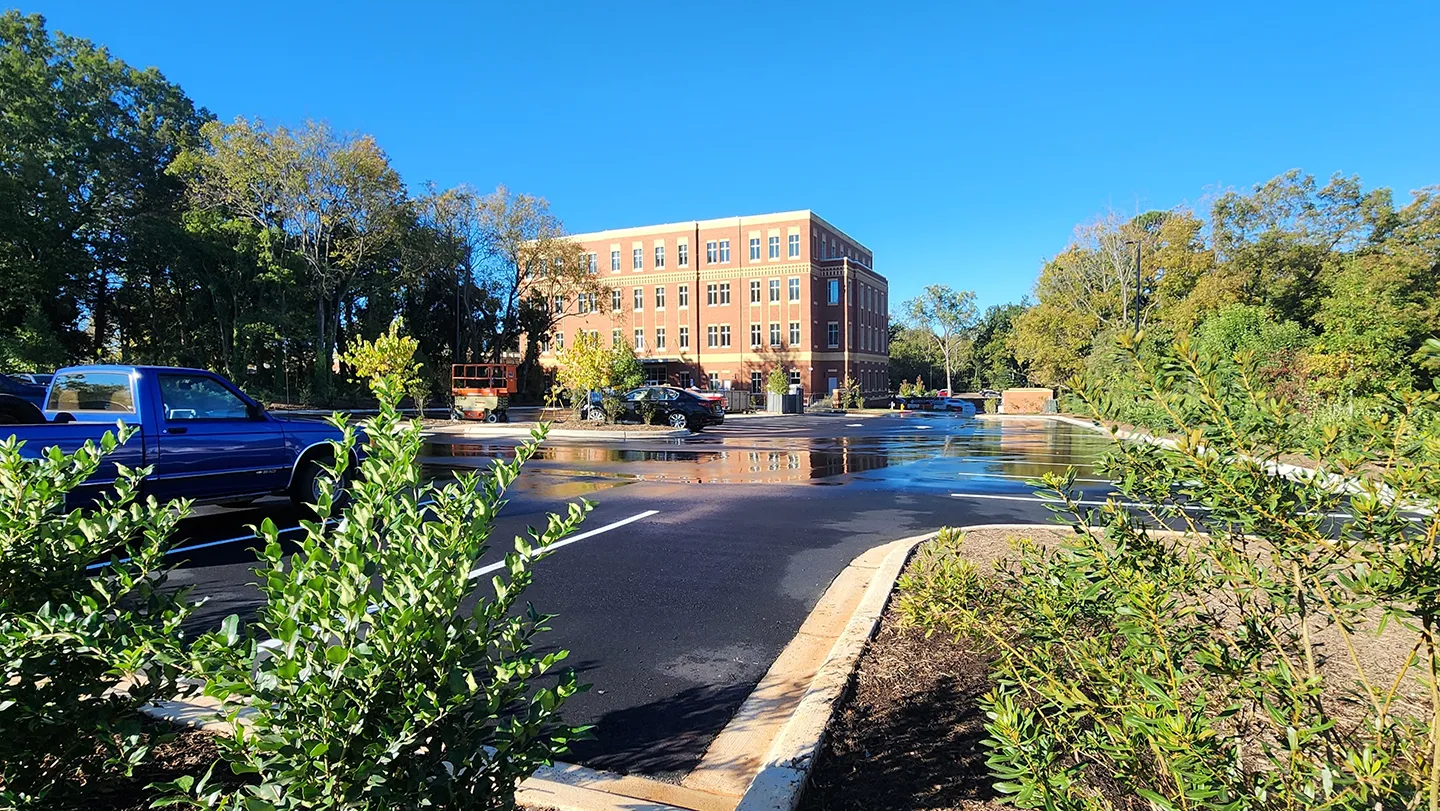
The completed improvements were opened to traffic on April 30, 2024. Photo courtesy of VDOT.
- Client
- Shirley Contracting Company, LLC
- Owner
- Virginia Department of Transportation
- Location
- Fairfax County, VA
- Services
- Engineering, Environmental
- Markets
- Transportation
- Cost
- $313.9 million
- Completed
- 2024
- Region
- Mid-Atlantic
Our firm served as lead engineer for the Route 7 Corridor Improvements in Northern Virginia for the Virginia Department of Transportation (VDOT). We teamed with Shirley Contracting Company, LLC as a design-build team. In accordance with Fairfax County’s Comprehensive Plan, the project aimed to increase capacity; improve safety and operations for motorists, bicyclists, and pedestrians; and expand pedestrian connections on a heavily travelled commuter corridor.
The project scope consisted of improvements to 6.9 miles of Route 7, widening the route from a four-lane divided roadway to a six-lane divided roadway. Other improvements to enhance operations included roadway lighting, new or modified signals at ten intersections, consolidation of entrances along Route 7 and the intersecting roads, and implementation of intelligent transportation system (ITS) components. Near the middle of the project, flooding concerns at Difficult Run and Colvin Run were addressed by raising Route 7, completing a new bridge over Difficult Run, and realigning Colvin Run through an articulated concrete block-lined channel. At the east end of the project, the Lewinsville Road intersection was realigned and reconfigured to incorporate a displaced left-turn lane, an innovative intersection layout which is the first of its kind in Northern Virginia.
As lead engineer, our firm provided engineering design services, environmental permitting and permit monitoring, and field surveys. Engineering services included roadway design, bridge and structural design, hydrologic and hydraulic analysis, traffic engineering design—including temporary traffic control, signing and pavement marking, traffic signal design, ITS design, and transportation management plan development—landscaping design, and design quality assurance.
Throughout the design and construction, we worked with the adjacent residents and communities, responding to over 1,000 questions and concerns related to design modifications, access pattern changes, construction sequencing, noise barriers, and other topics which were raised during the six-year project. To reduce property impacts, utility relocations were consolidated to overlapping corridors and, in some places, located within right-of-way. To reduce noise impacts, seven miles of concrete noise barriers were installed in accordance with VDOT and Federal Highways requirements. The improved corridor includes continuous shared-use paths on both sides of Route 7 and connections to adjacent existing sidewalks and pedestrian facilities, enhancing mobility for motorists, bicyclists, and pedestrians. The project was completed ahead of schedule.
6.9
miles of widening and reconstruction
10
new or modified traffic signals
7.4
miles of noise barriers
230
properties used for acquisitions of right-of-way and easements
Awards
-
2025 Honor Award
American Council of Engineering Companies of Virginia (ACEC Virginia)
-
Honorable Mention: Greater Than $10 Million Design-Build Category
Virginia Transportation Construction Alliance
Related Insights
Related Projects
- Location
- Prince George's County, MD
- Location
- Virginia Beach, VA