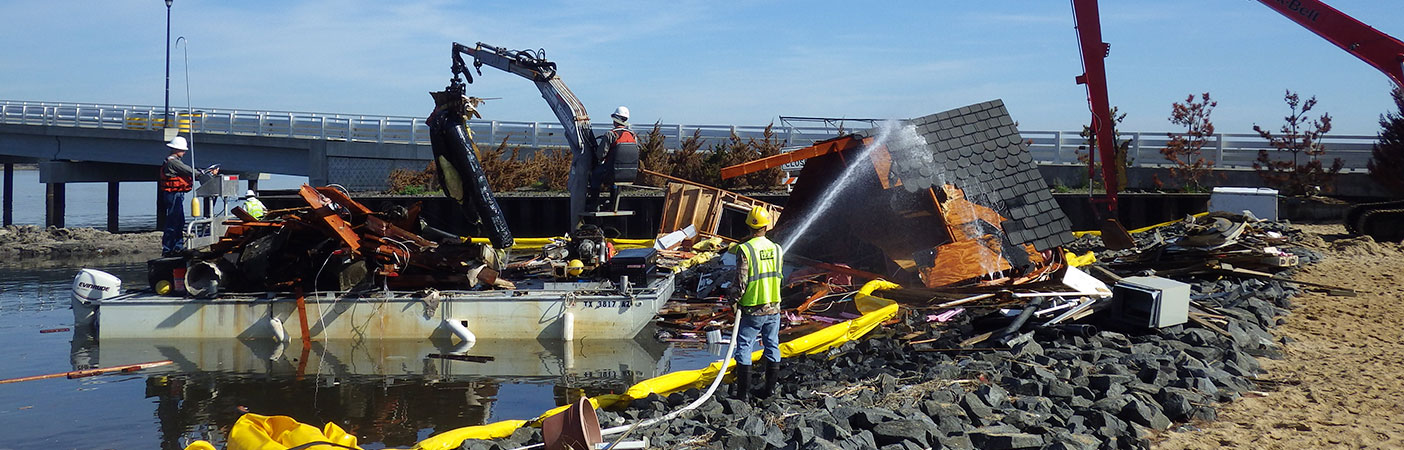
NCDOT Aquatic Survey Projects
Performing mussel and aquatic species surveys
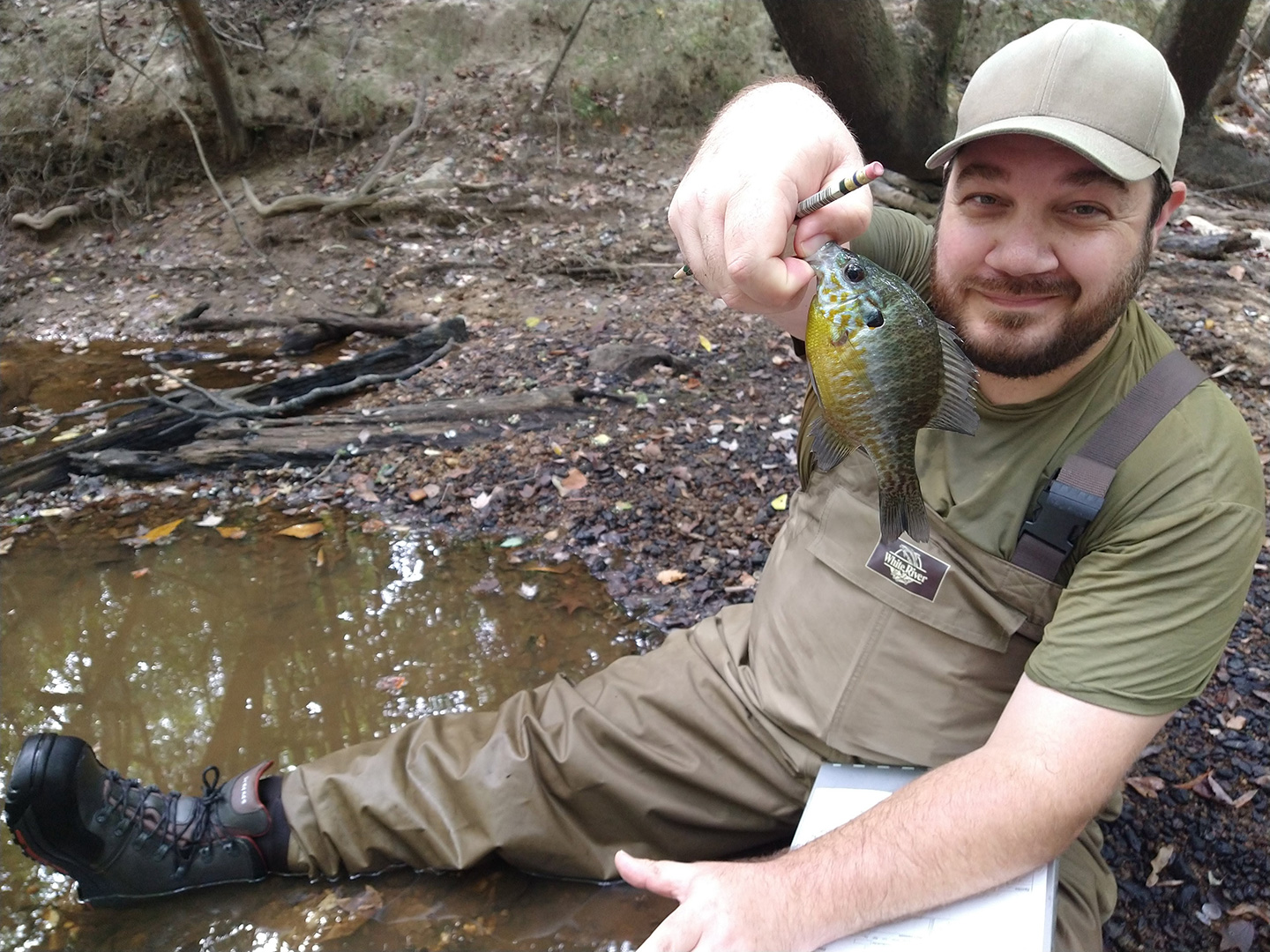
Project Manager Tom Fox holds a hybrid sunfish collected during a survey for the federally endangered Cape Fear Shiner, one of nine unique species that were targeted as part of this contract.
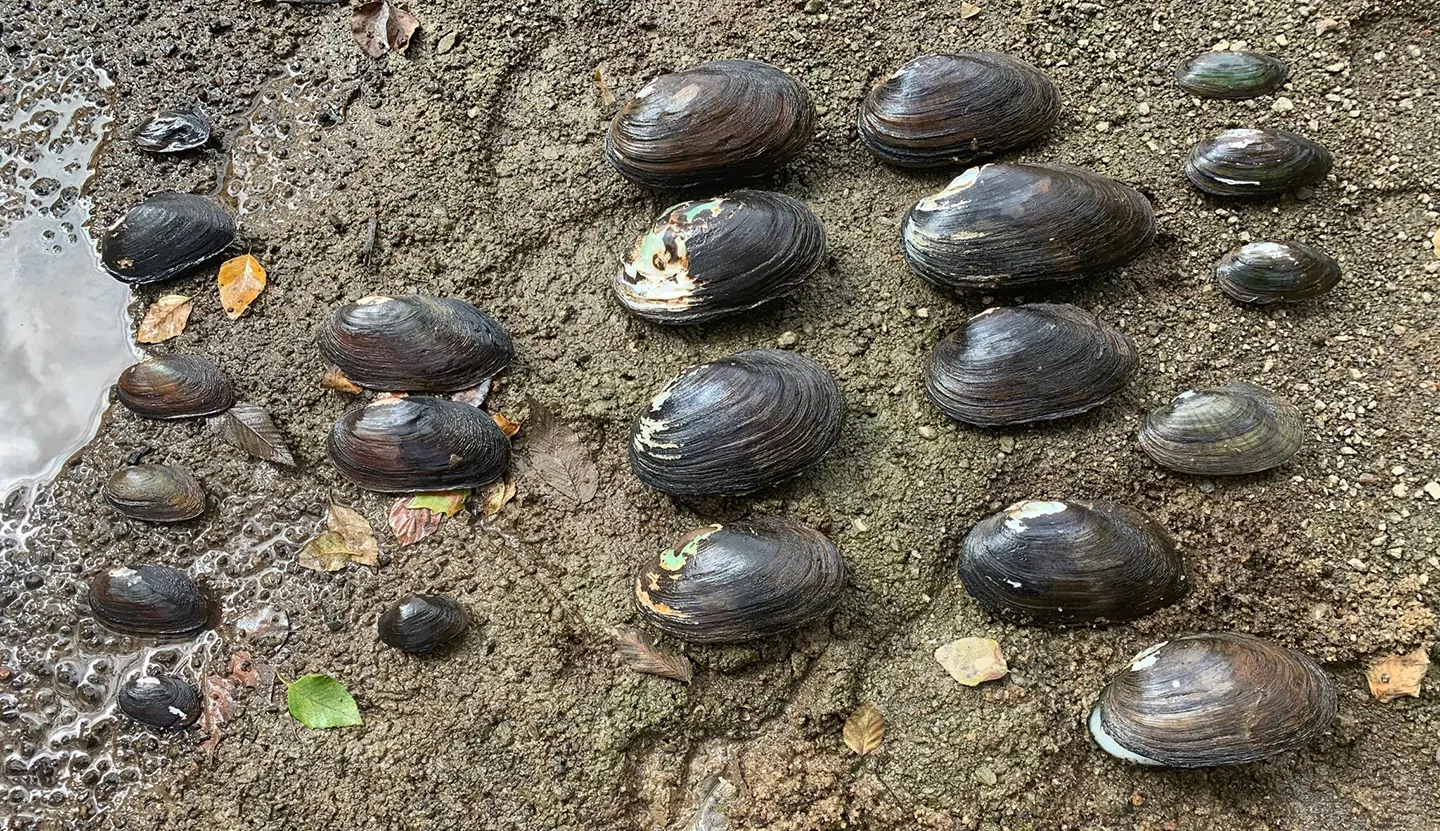
Freshwater mussels are excellent indicators of water quality and can be difficult to identify. This picture shows five species of mussels found in North Carolina.
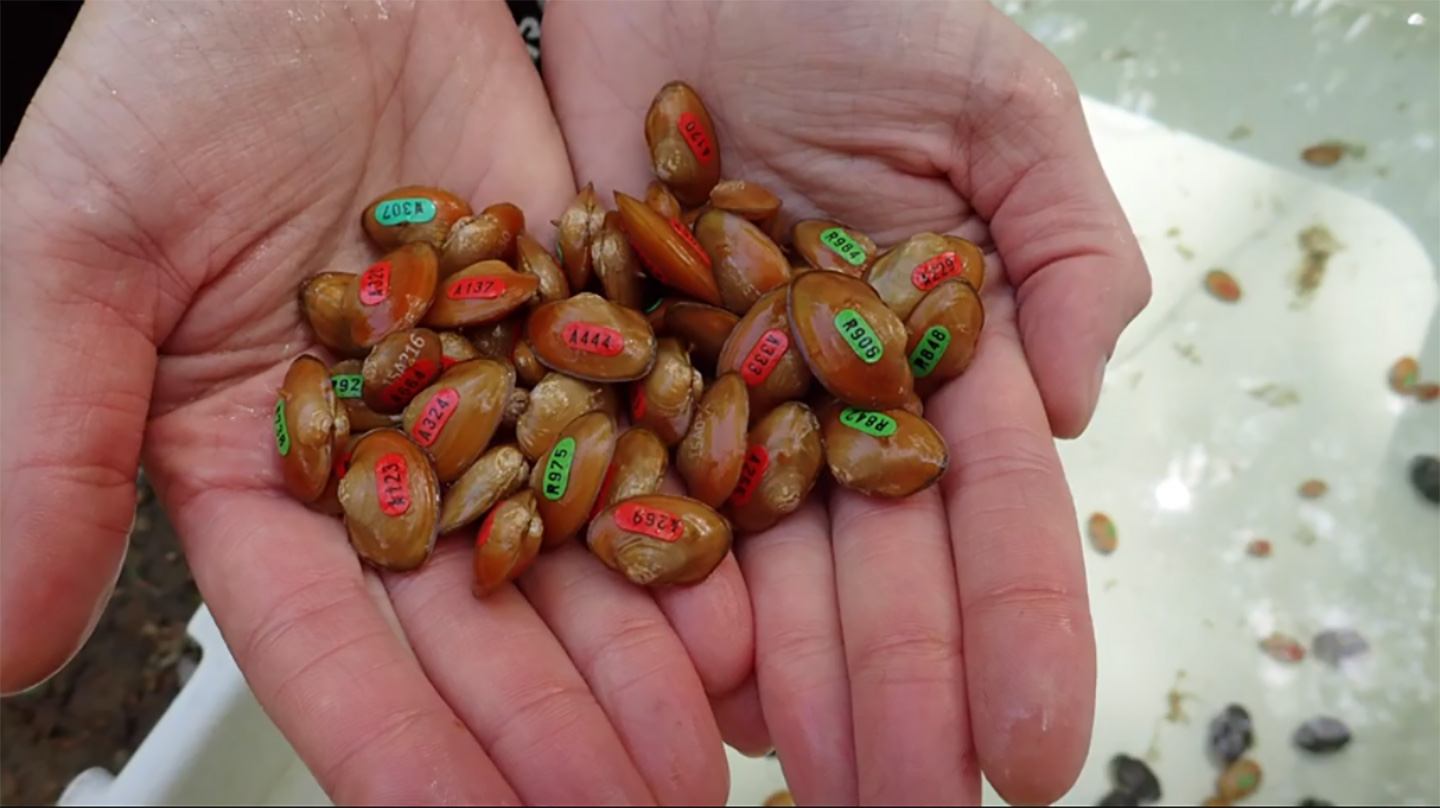
Tagging mussels allows environmental scientists to track mussel populations.
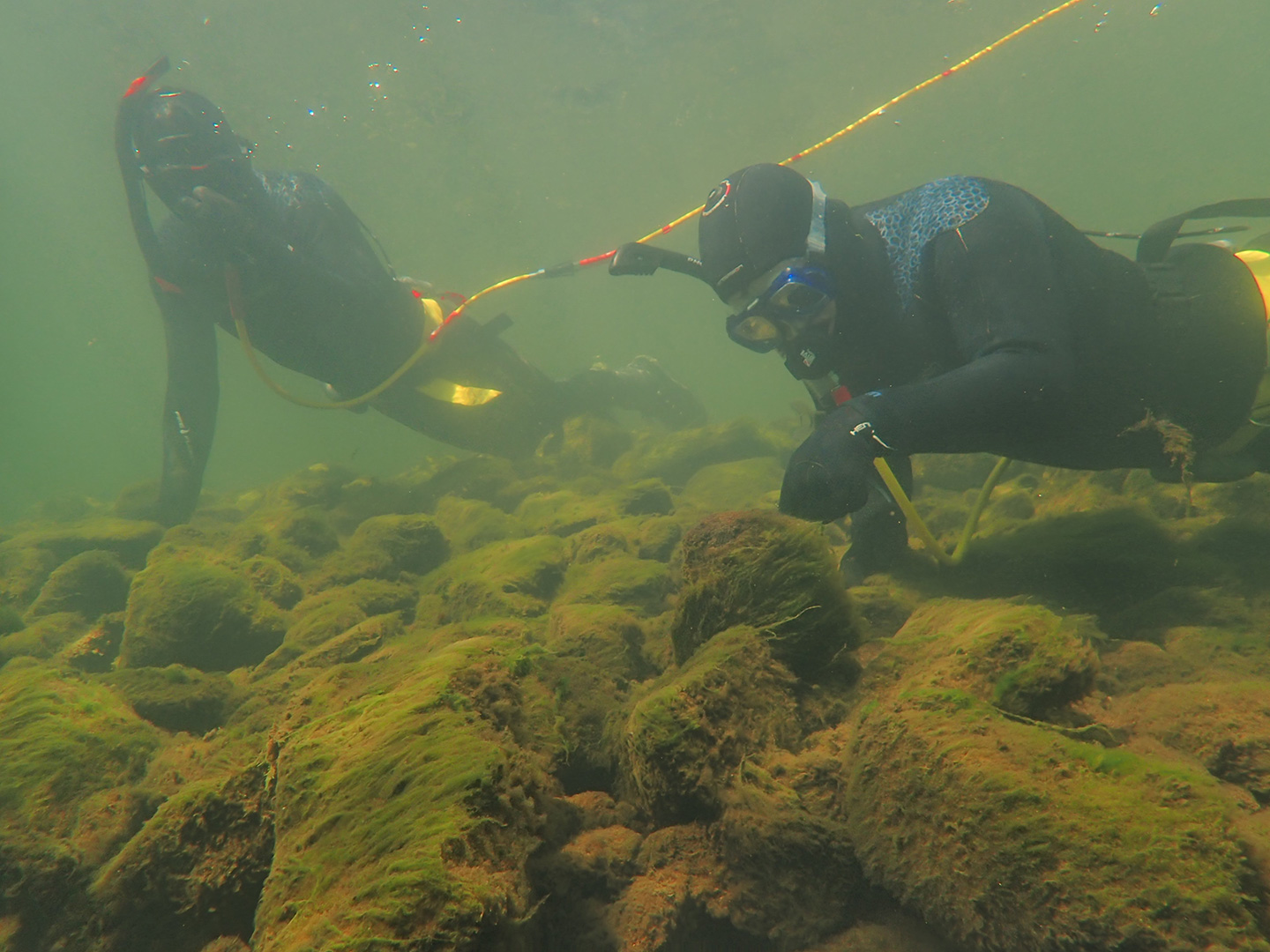
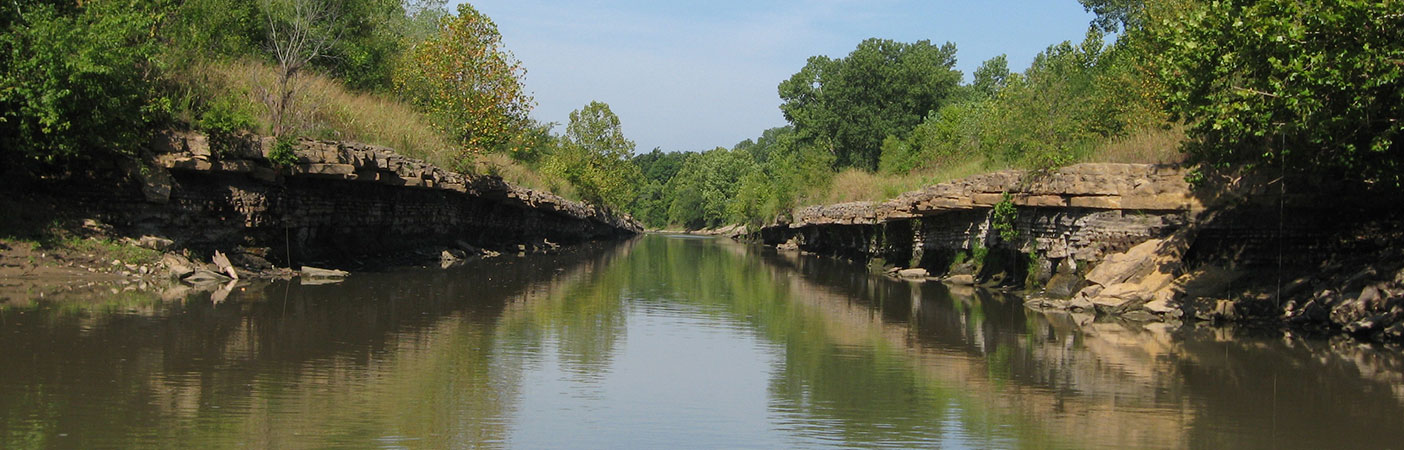
Any activity that impacts potentially suitable habitat for mussel species could require a mussel survey. For a bridge replacement project, biologists search deep water habitat for federally listed mussel species.
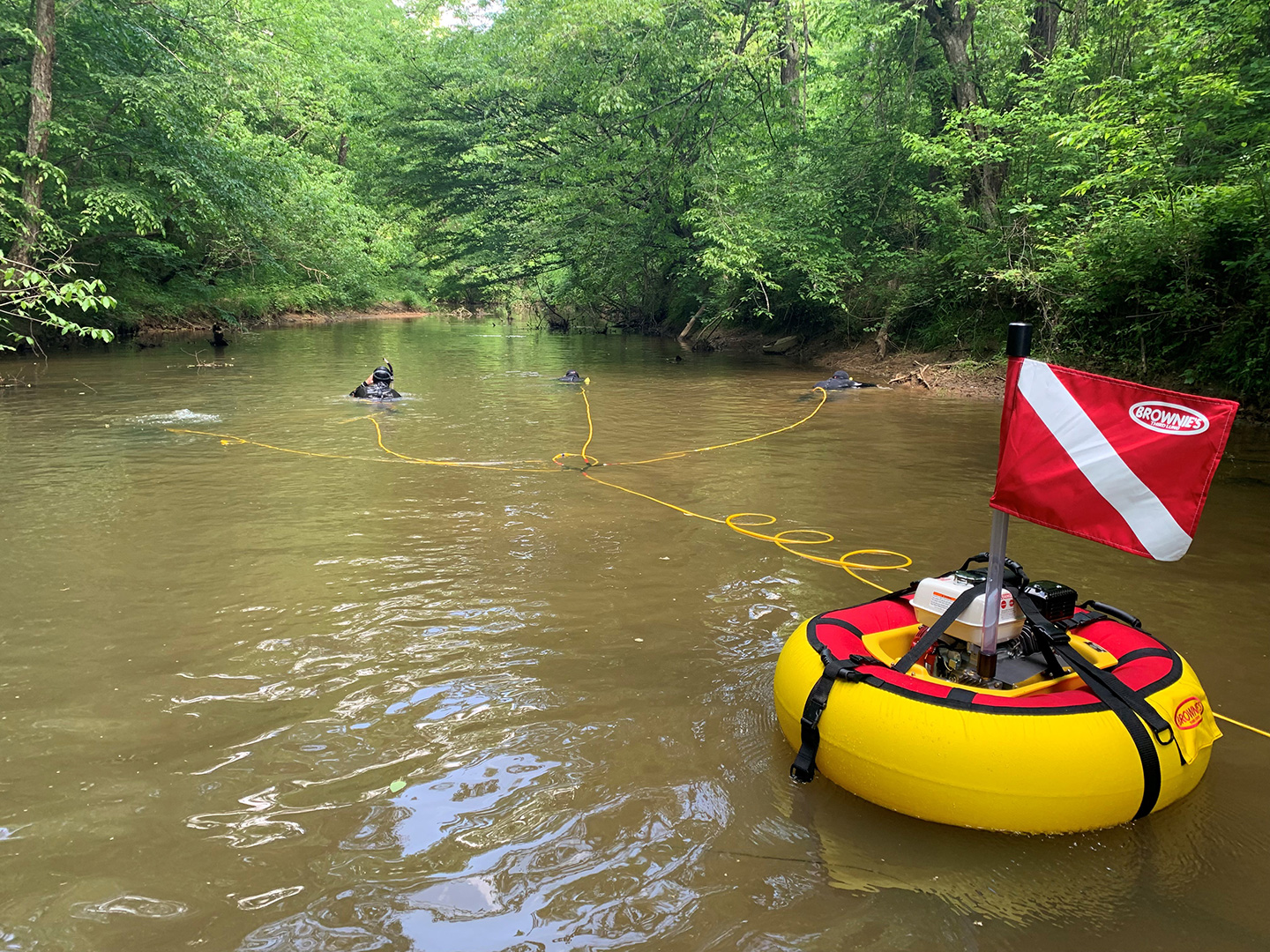
Biologists search the bottom of deep rivers and lakes for mussels using a surface supplied air system that allows them to stay under water without using cumbersome SCUBA equipment.
- Client
- North Carolina Department of Transportation (NCDOT)
- Location
- NC
- Services
- Environmental
- Markets
- Water
- Completed
- 2021
- Region
- Southeast
As part of our on-call contract with the North Carolina Department of Transportation’s (NCDOT) Environmental Analysis Unit – Natural Environment Section, our environmental team prepared natural resources reports, conducted protected species surveys, and provided strategic advisory services on regulatory and protected species issues. Our aquatic biologists conducted surveys for multiple protected aquatic species, including freshwater mussels, fish, and salamanders at sites throughout North Carolina. Species targeted during surveys included the Dwarf Wedgemussel and Atlantic Pigtoe in the Neuse River and tributaries across Wake County; the Cape Fear Shiner and Atlantic Pigtoe in Lee and Moore counties; the Neuse River Waterdog, Carolina Madtom, Atlantic Pigtoe, Tar River Spinymussel, and the Yellow Lance in Halifax and Greene counties; and the Roanoke Logperch and James Spinymussel in Caswell County.
No federally listed species were found during the surveys, however, two species that are listed as threatened in North Carolina (Eastern Lampmussel and Triangle Floater), as well as one species that is listed as special concern in North Carolina (Roanoke Slabshell) were found.
These surveys enabled NCDOT to proceed with the final design and construction of bridge replacement projects with the knowledge that no federally protected species would be impacted.
9
unique species surveyed
Related Insights
Related Projects
- Location
- New York, NY
- Location
- Hudson County, NJ