Waterway Debris Program Management
Helping New Jersey's Waterway Recover from Superstorm Sandy Debris
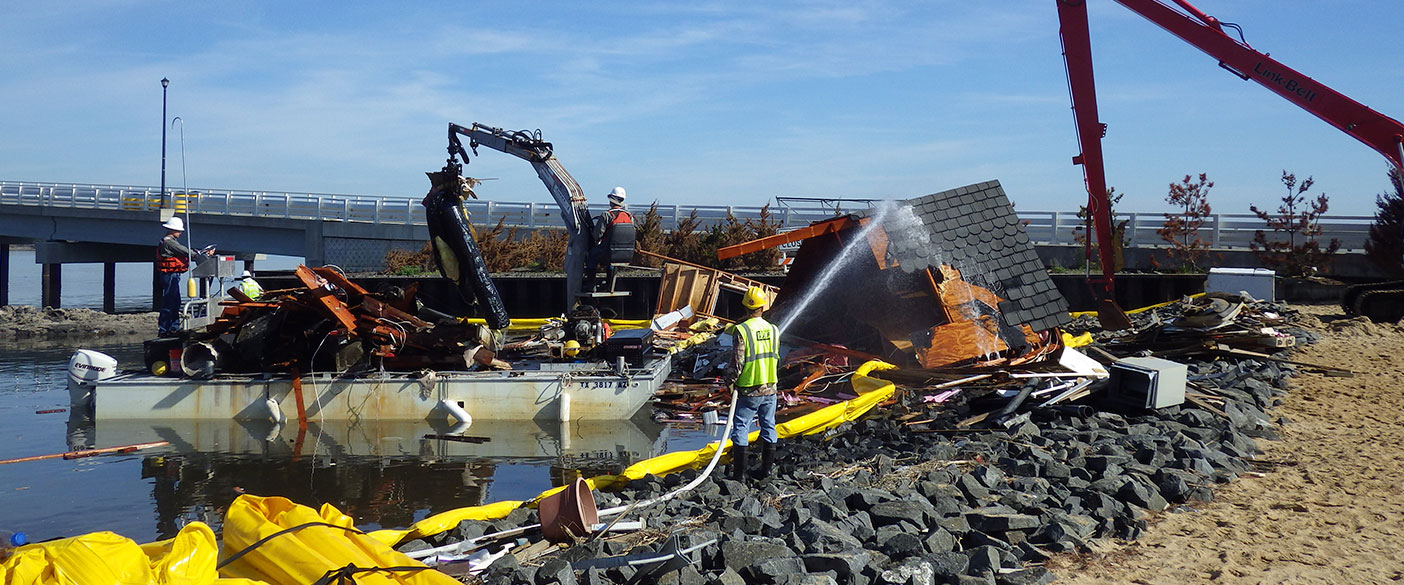
Recognized as the largest waterway debris removal in U.S. history, the program spanned more than 100,000 cubic miles of debris and 360,000 cubic yards of sediment.
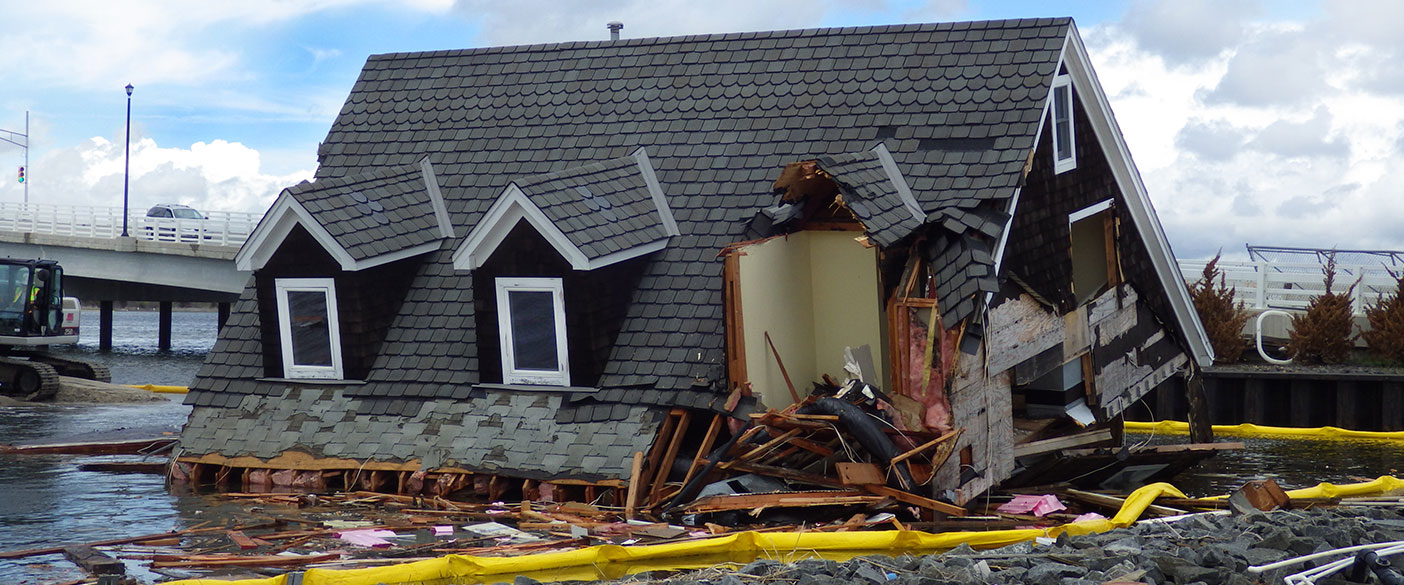
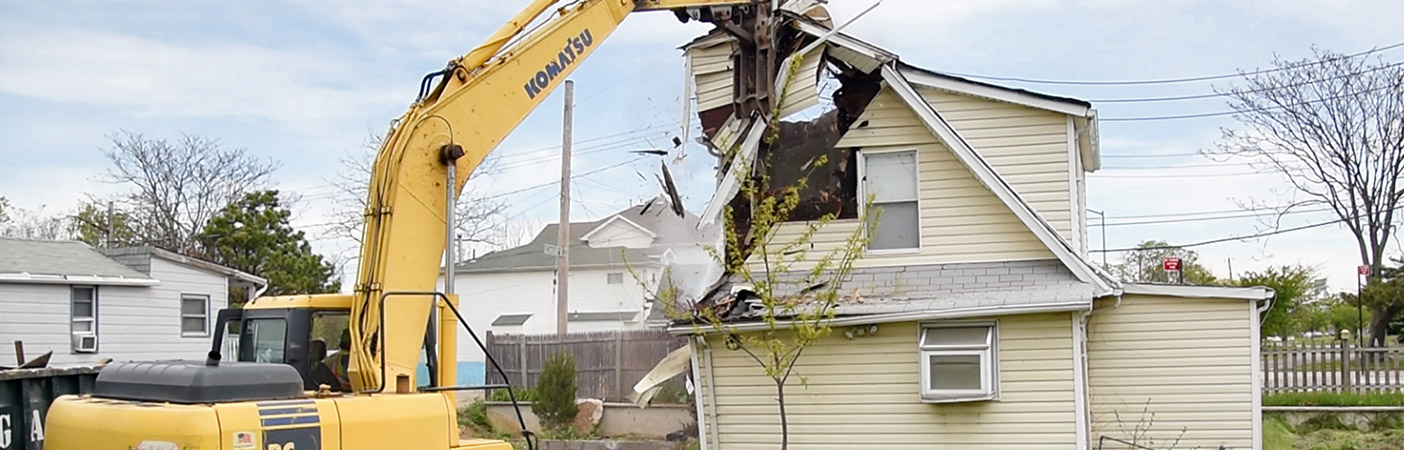
The program recovered four intact homes, 194 vessels and vehicles, and 6,019 submerged targets.
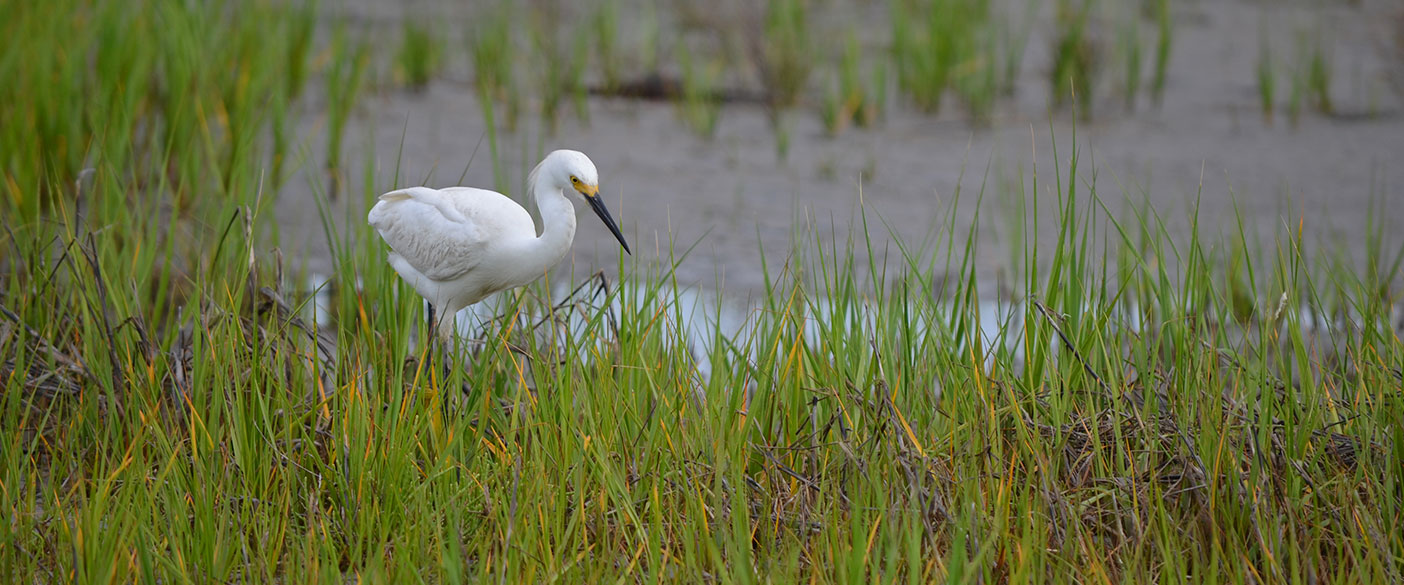
Our biologists observed and documented threatened and endangered species on undocumented nesting platforms, in rookeries, and on the marsh surface.
- Client
- New Jersey Department of Environmental Protection
- Location
- NJ
- Markets
- Water
- Cost
- $157 million
- Completed
- 2013
- Region
- Northeast
New Jersey’s recovery after Superstorm Sandy hinged on the success of the waterway debris removal along the state’s 127-mile coast. Debris clogged recreational and commercial waters, impacting New Jersey’s coastal environments and economic livelihood. The New Jersey Department of Environmental Protection (NJDEP) selected us to plan and manage a state-level, regionally organized program to remove and monitor debris removal in sensitive environments while maximizing Federal Emergency Management Agency (FEMA) reimbursement. We collaborated with state and federal environmental resource agencies and FEMA to devise solutions to expedite safe reopening of the waterways.
We worked with the NJDEP Threatened and Endangered (T&E) Species Unit, the U.S. Fish and Wildlife Service (USFWS), and the National Marine Fisheries Service (NMFS) to develop protocols to allow the debris removal to advance while maintaining regulatory compliance and protecting breeding and nesting areas. Our maritime archaeologists reviewed side scan sonar data to identify potentially historic sites, conducted site reconnaissance, and mapped objects and their buffers. The debris removal activities revealed more than 1,500 unknown potentially historic resources including pilings, piers, ships, and a Civil War-era barge.
Recognized as the largest waterway debris removal in U.S. history, the program yielded long-term benefits, including relief mapping of state tidal waterways, updated threatened and endangered species data, inventory of newly identified potentially historic submerged objects, and sediment reuse for beach replenishment and resilience.
194
vessels and vehicles removed
6,019
submerged targets
>100,000
cubic yards of debris
>360,000
cubic yards of sediment
Awards
-
2014 Honor Award
ACECNJ
-
2014 National Recognition Award
ACEC
Related Insights
Related Projects
- Location
- Nationwide
- Location
- Sanford, FL
- Market
- Education
- Location
- New York, NY
- Location
- New York, NY