Yale University DAS
Improving Wireless Data and Voice Services at Yale University
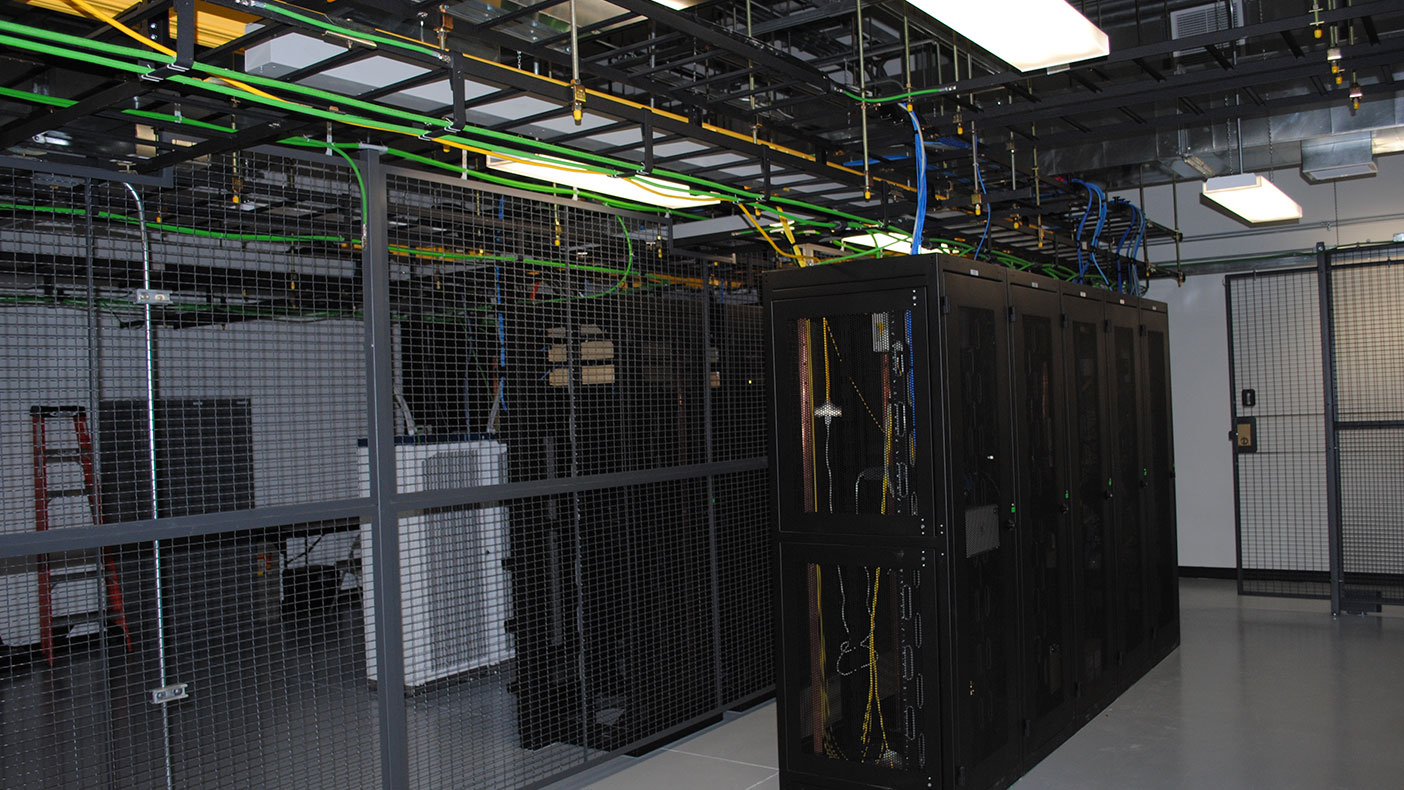
The two 30-ton HVAC units mounted on the roof have insulated supply and exhaust ducts that run down through the building to the data center's ceiling, maximizing floor space needed for future network expansion.
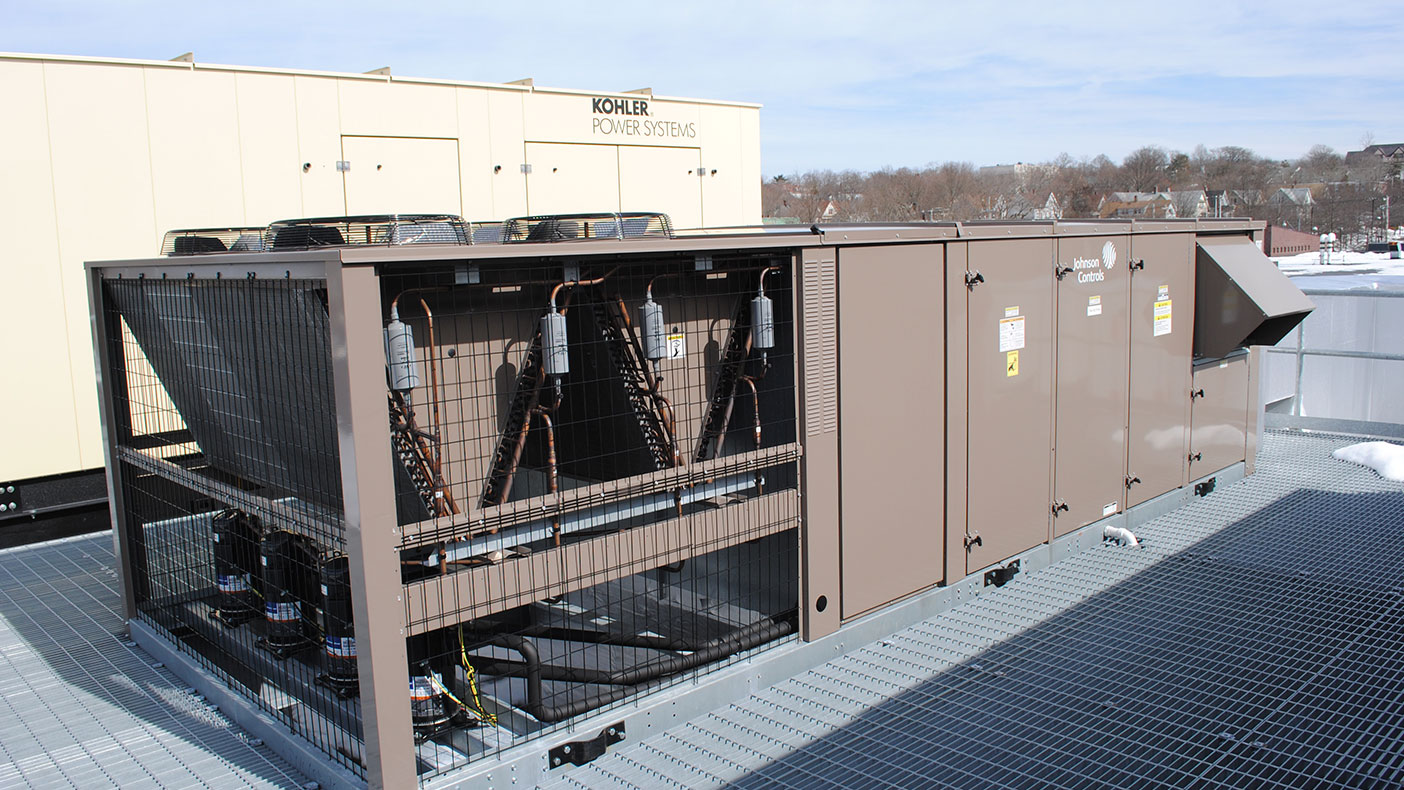
To maximize the data center’s floor space, two 30-ton externally mounted HVAC units and a 300-KW natural gas emergency generator were installed on a new 50-by-30-foot steel support frame.
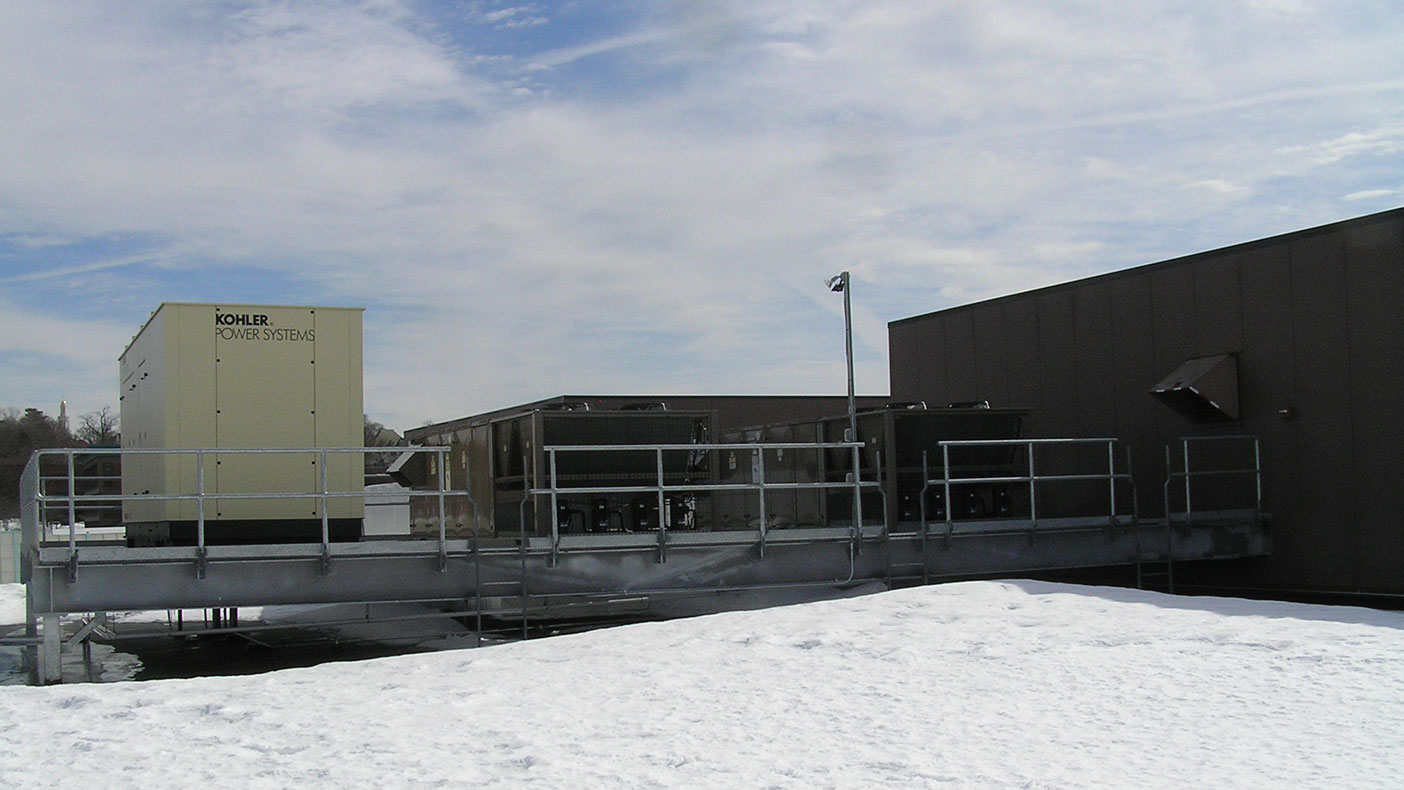
The new communications network and data center will give AT&T clients the best possible coverage throughout Yale's large campus.
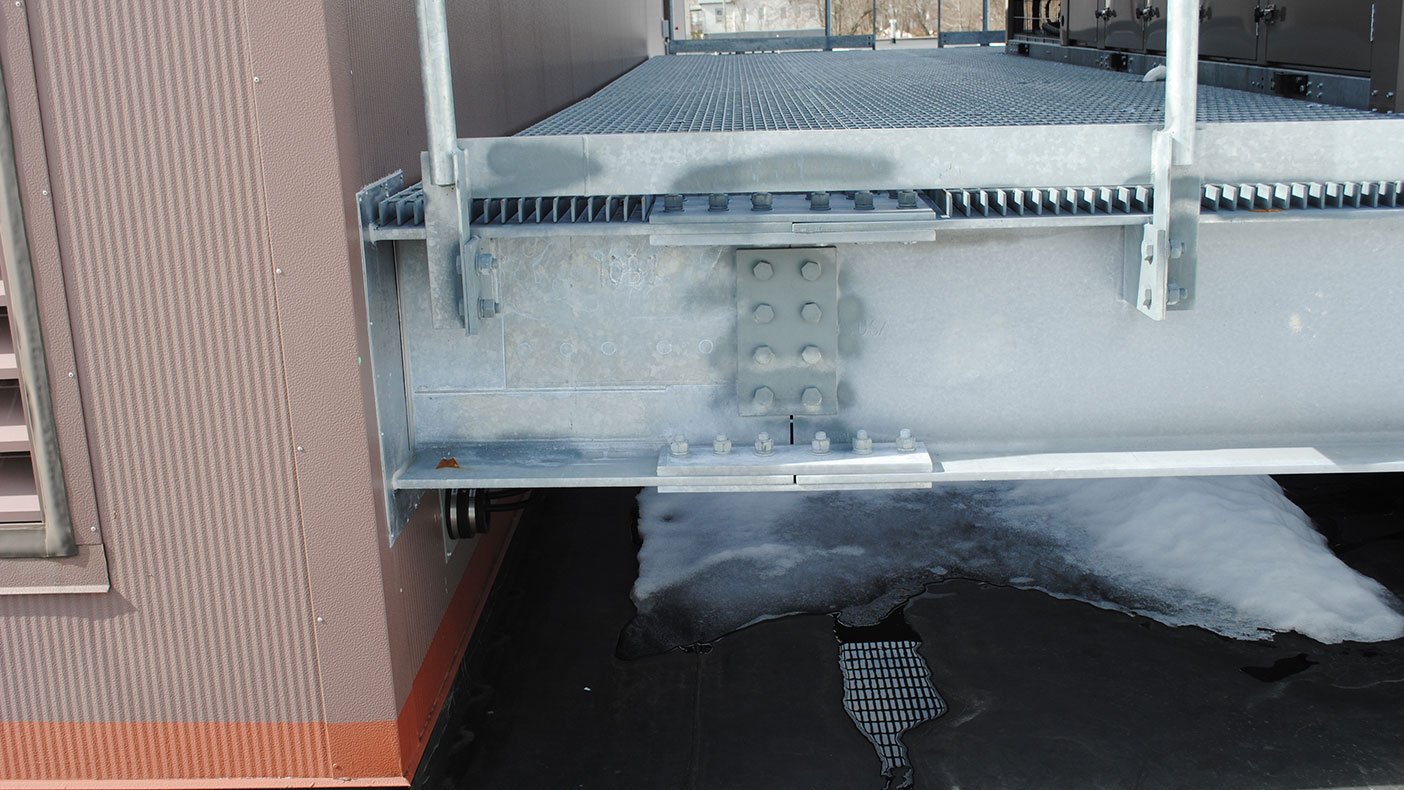
To simplify the connection of the large support beams to the existing building we designed a splice-plate steel frame that allowed beams to be installed in two parts.
- Client
- AT&T
- Owner
- Yale University
- Location
- New Haven, CT
- Services
- Engineering, Architecture
- Markets
- Energy, Education, Telecommunications
- Square Footage
- 2,200 SF
- Completed
- 2013
- Region
- Northeast
We designed a 2,200-square-foot data center for AT&T to improve wireless services throughout Yale University’s campus in New Haven, Connecticut. The data center supports a campus-wide neutral host Distributed Antenna System (iDAS) that consists of multiple antenna locations spread out over various campus buildings that seamlessly blend in with each building’s design. Each location feeds back to the head-end data center through fiber optic cable.
Since the system is a “neutral host” design, future wireless carriers can join the system and improve their coverage using the same infrastructure of antennas, equipment, and fiber optics.
Related Projects
- Location
- Denver, CO
- Location
- Prince George's County, MD

- Location
- Multiple Locations Nationwide