
Rueter-Hess Water Purification Facility
Groundbreaking Ceramic Filter Technology
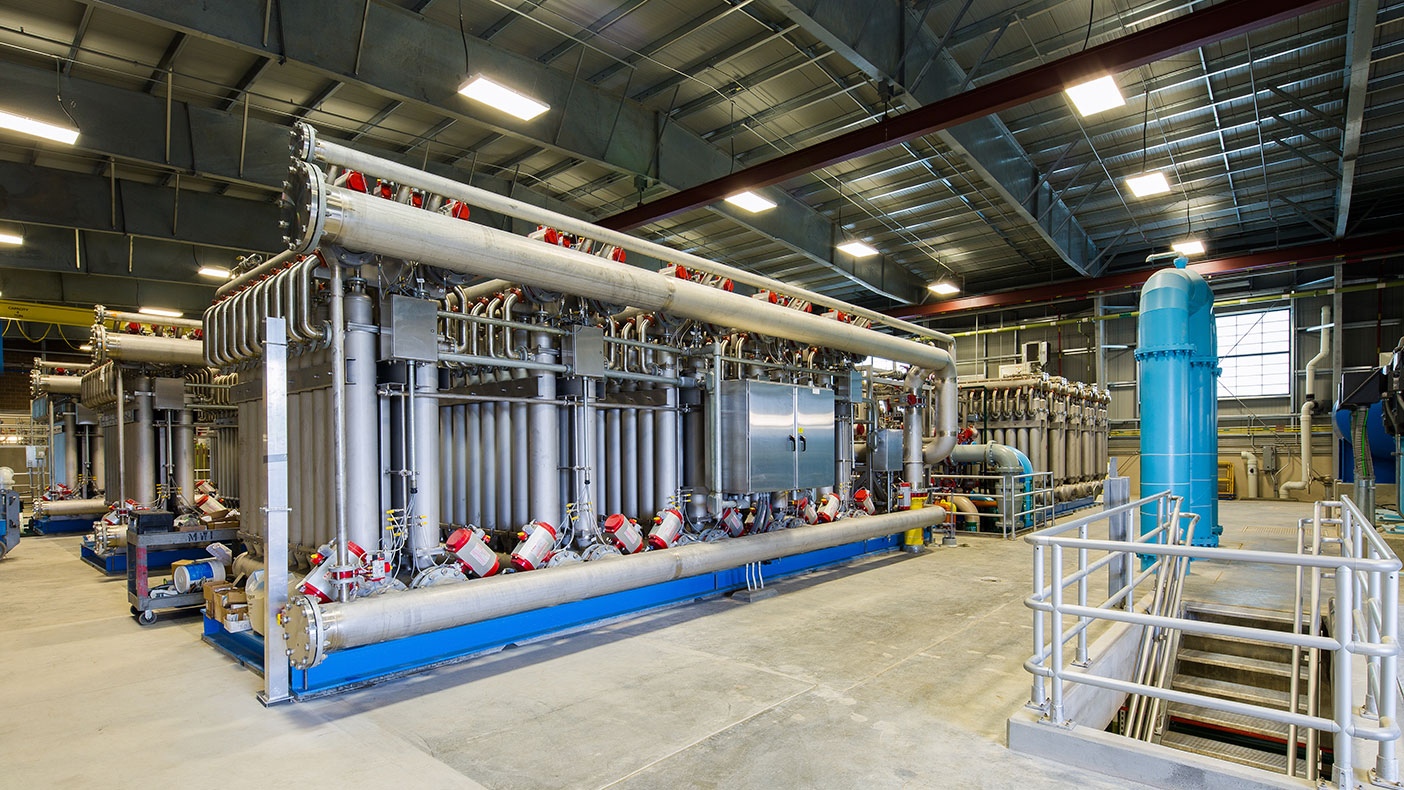
The Rueter-Hess Water Purification Facility is the nation's first, large-scale potable water treatment facility to use ceramic membrane filter technology.
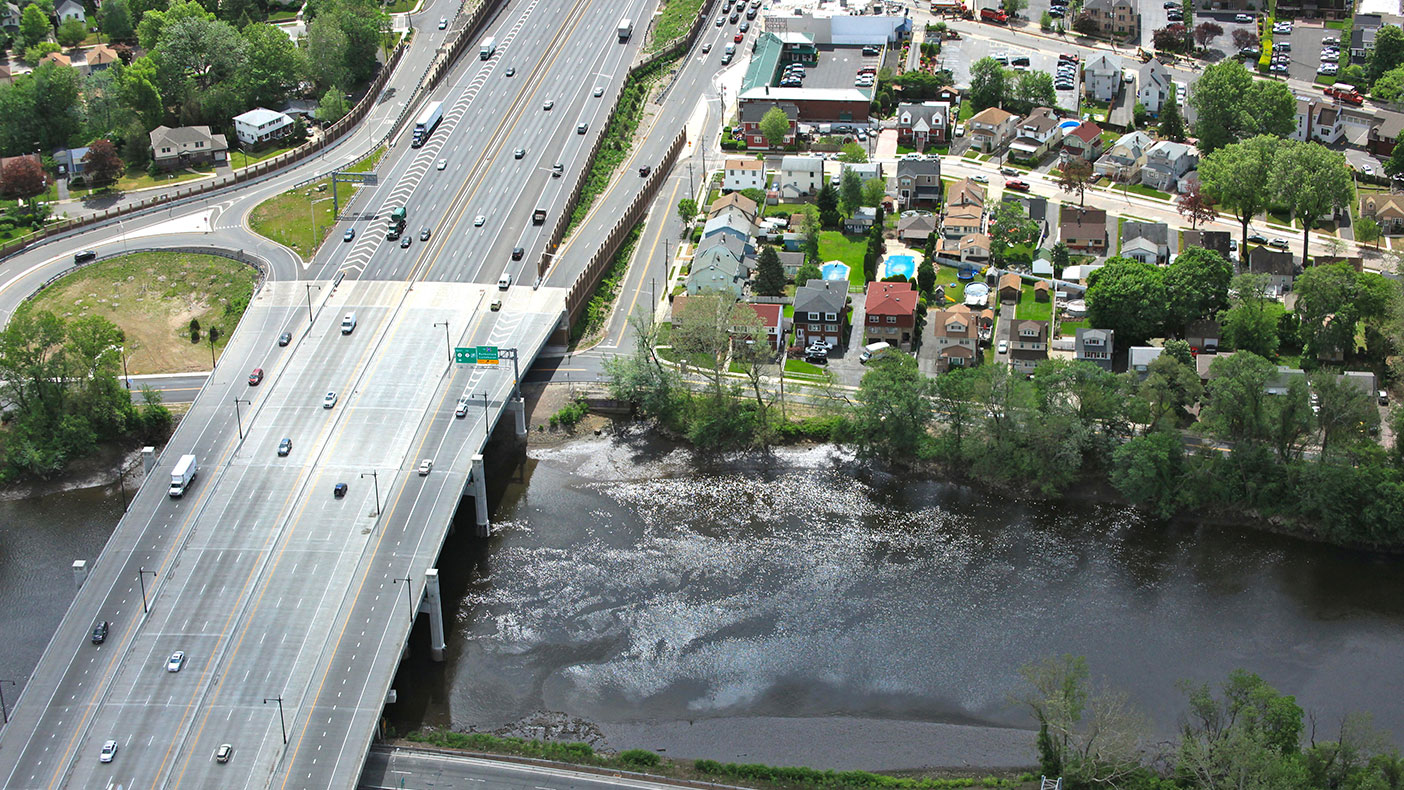
The bridge now serves the neighboring communities while keeping the natural beauty of the area intact. We also used new technology to save NJ DOT $1.4 million over traditional alternatives for sewer strengthening.
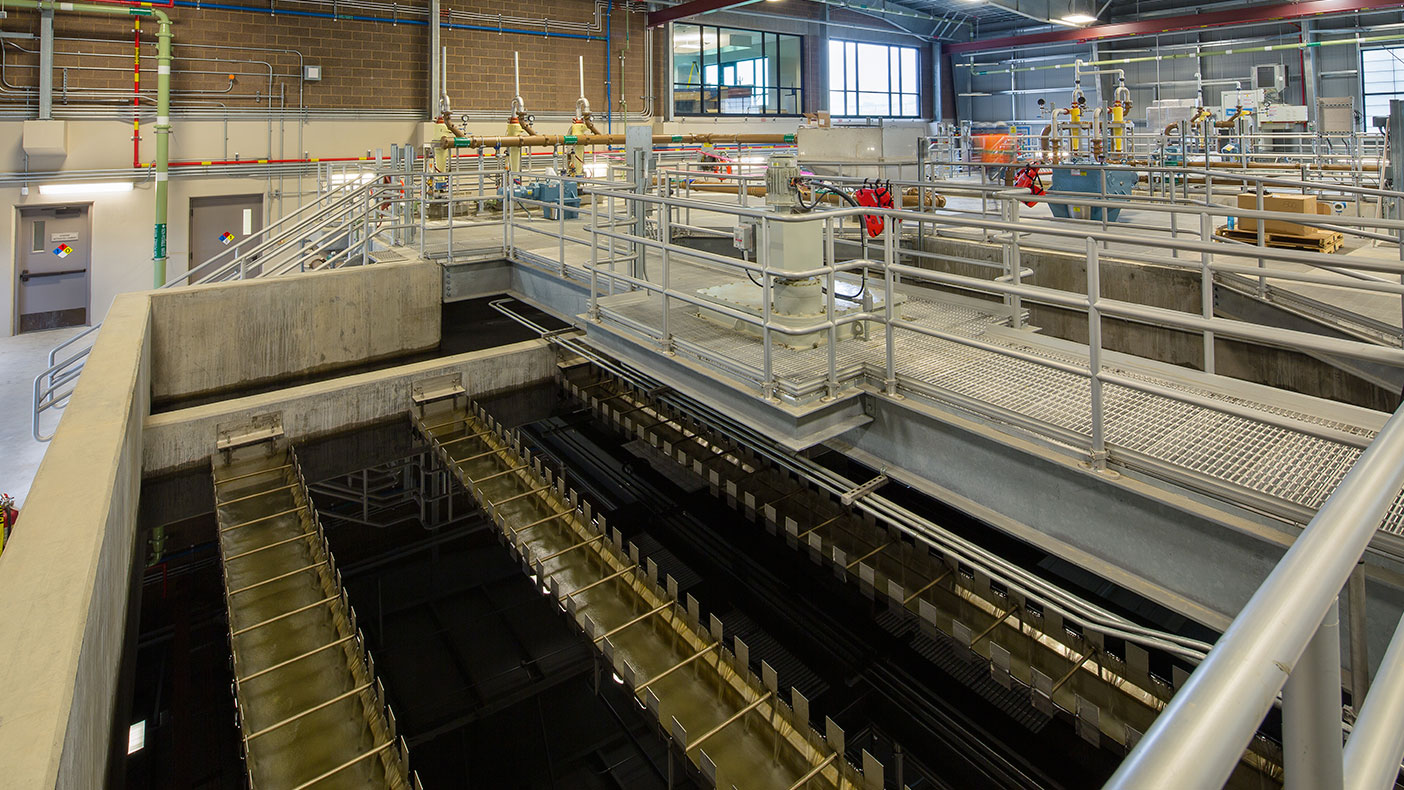
The second step in the treatment process uses recirculated powdered activated carbon to remove dissolved organic compounds to nearly non-detect levels.
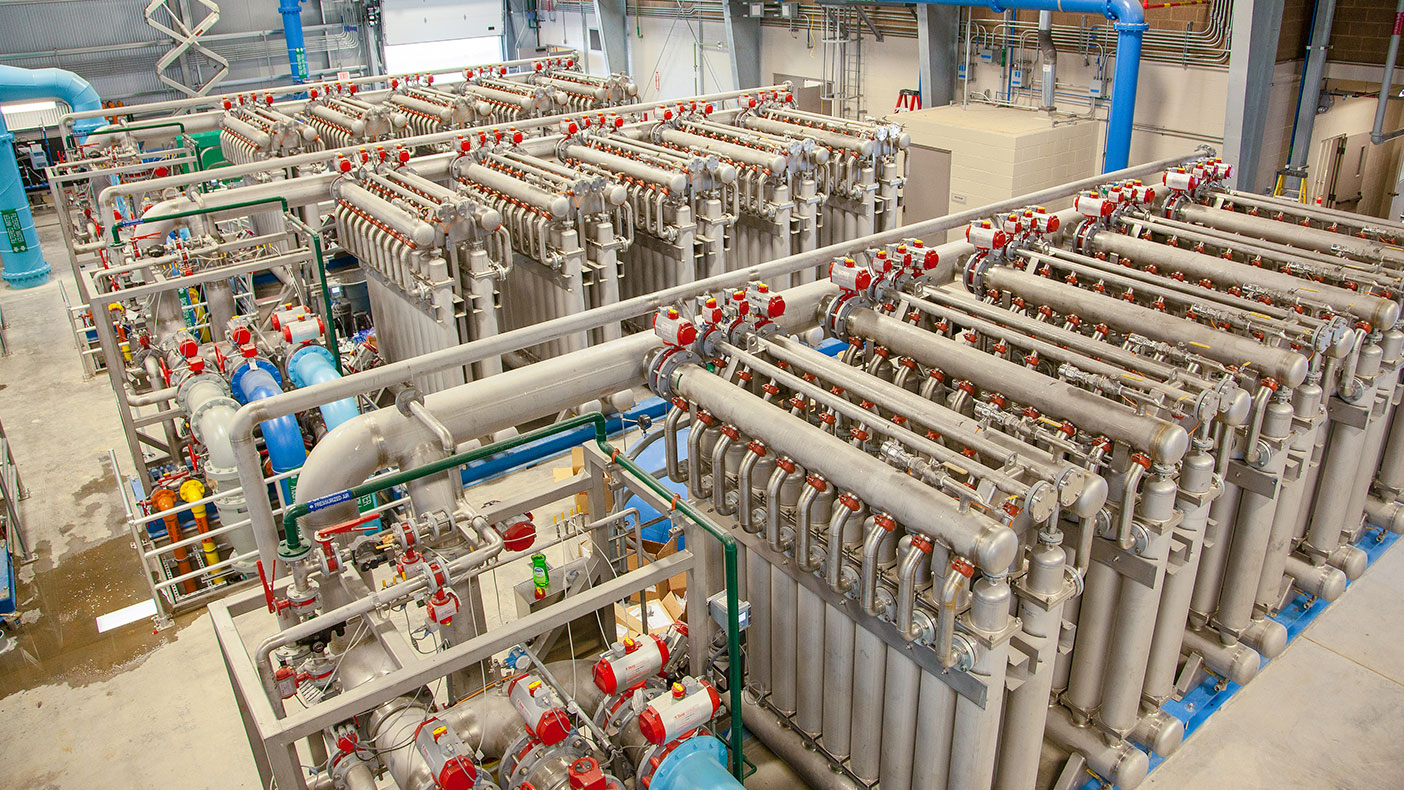
Never before used in North America, ceramic membranes were chosen as a superior water filtration technology that can withstand impacts from microsand and recirculated powdered activated carbon that would destroy conventional membranes.
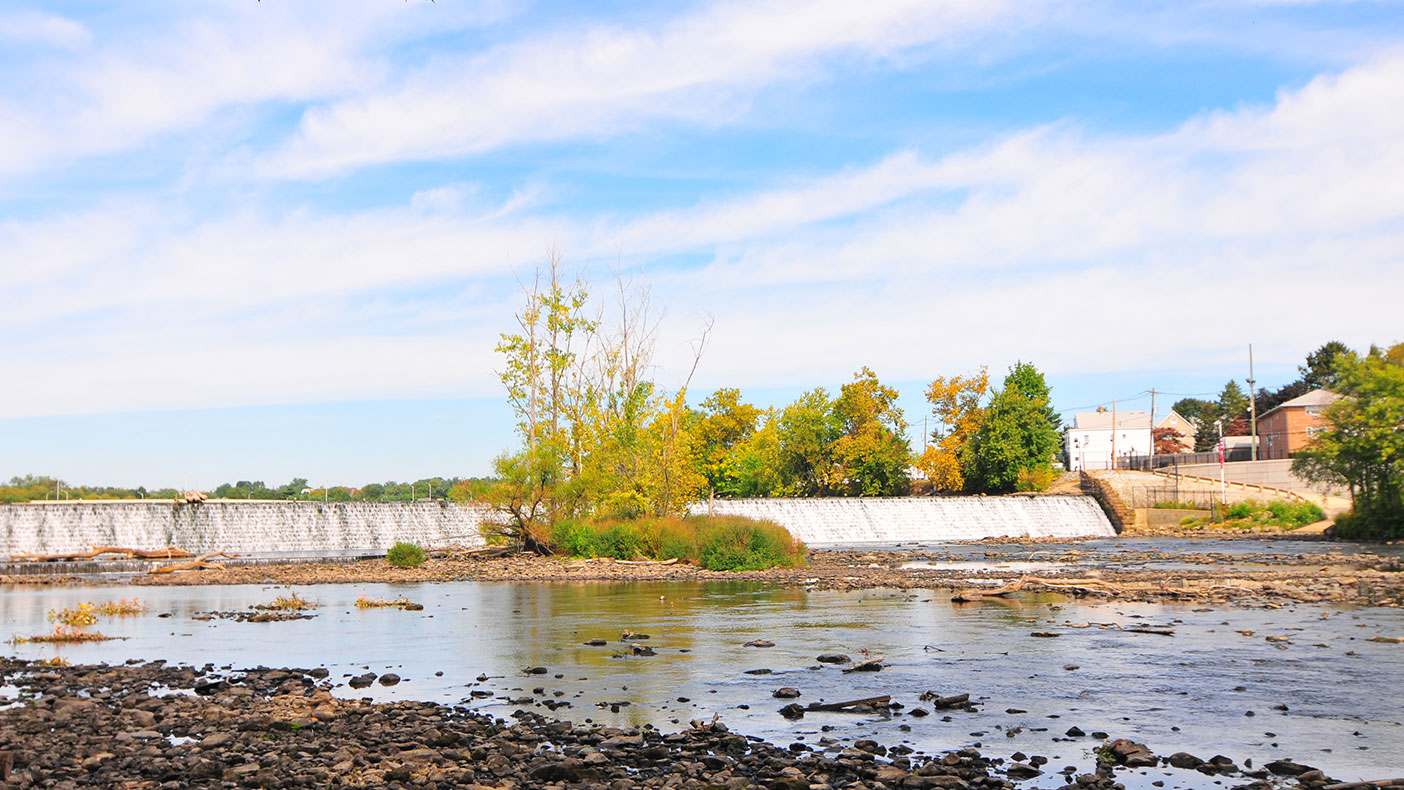
Recognizing that improvements could be made through waterfront access, we worked with local stakeholders and added recreational and educational components.
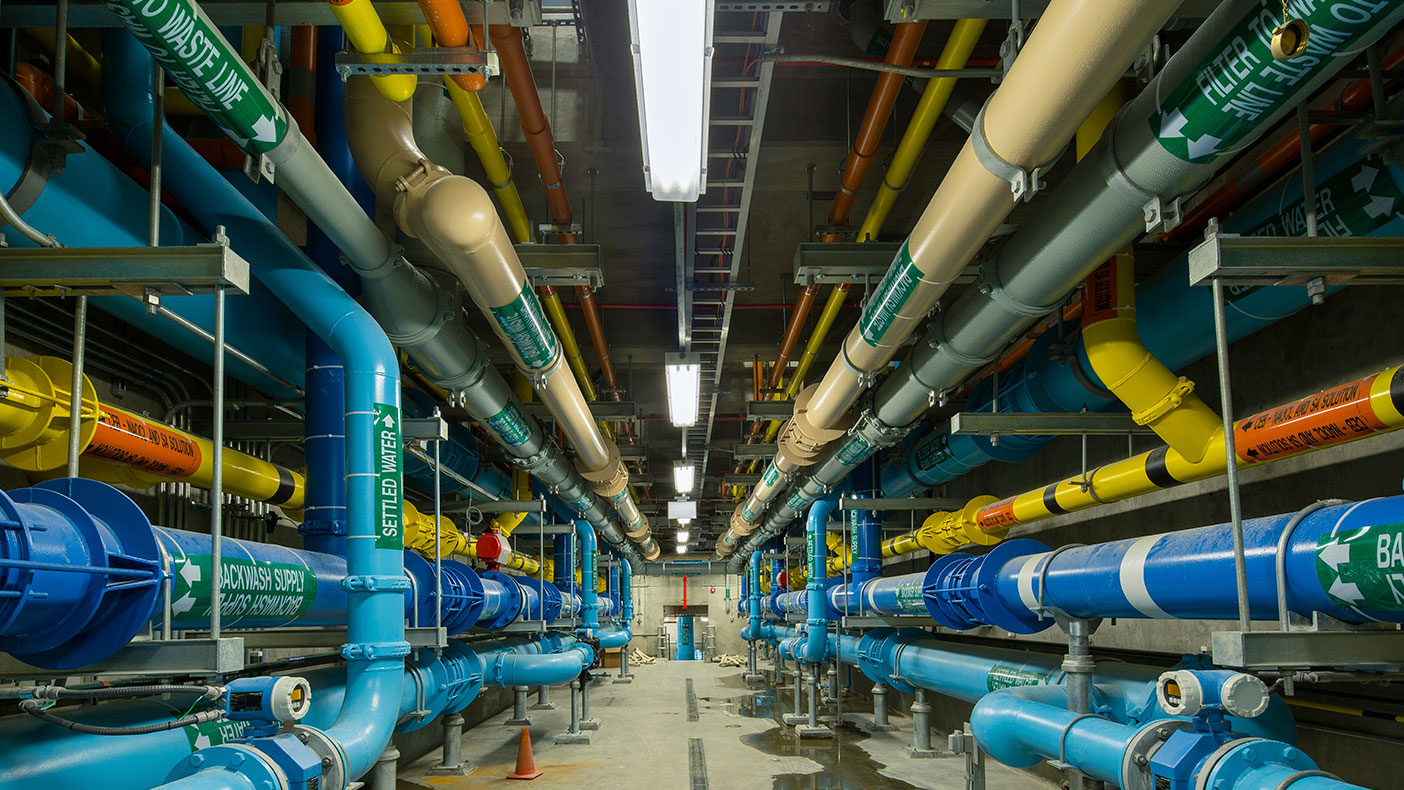
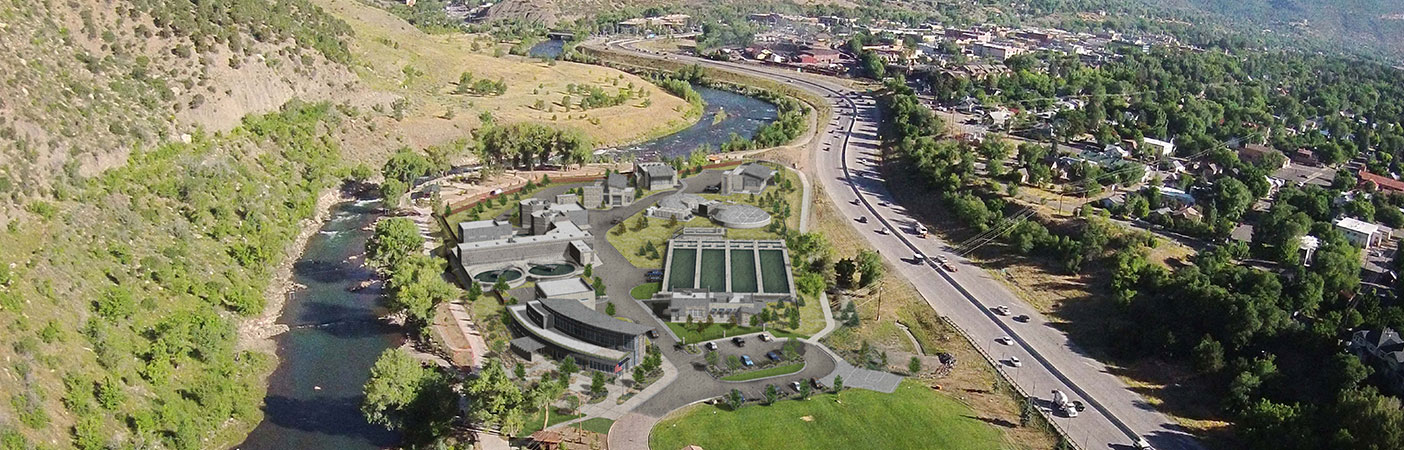
The 10 MGD facility was designed to fit within a compact site and have future build-out capacity to meet 40 MGD demand.
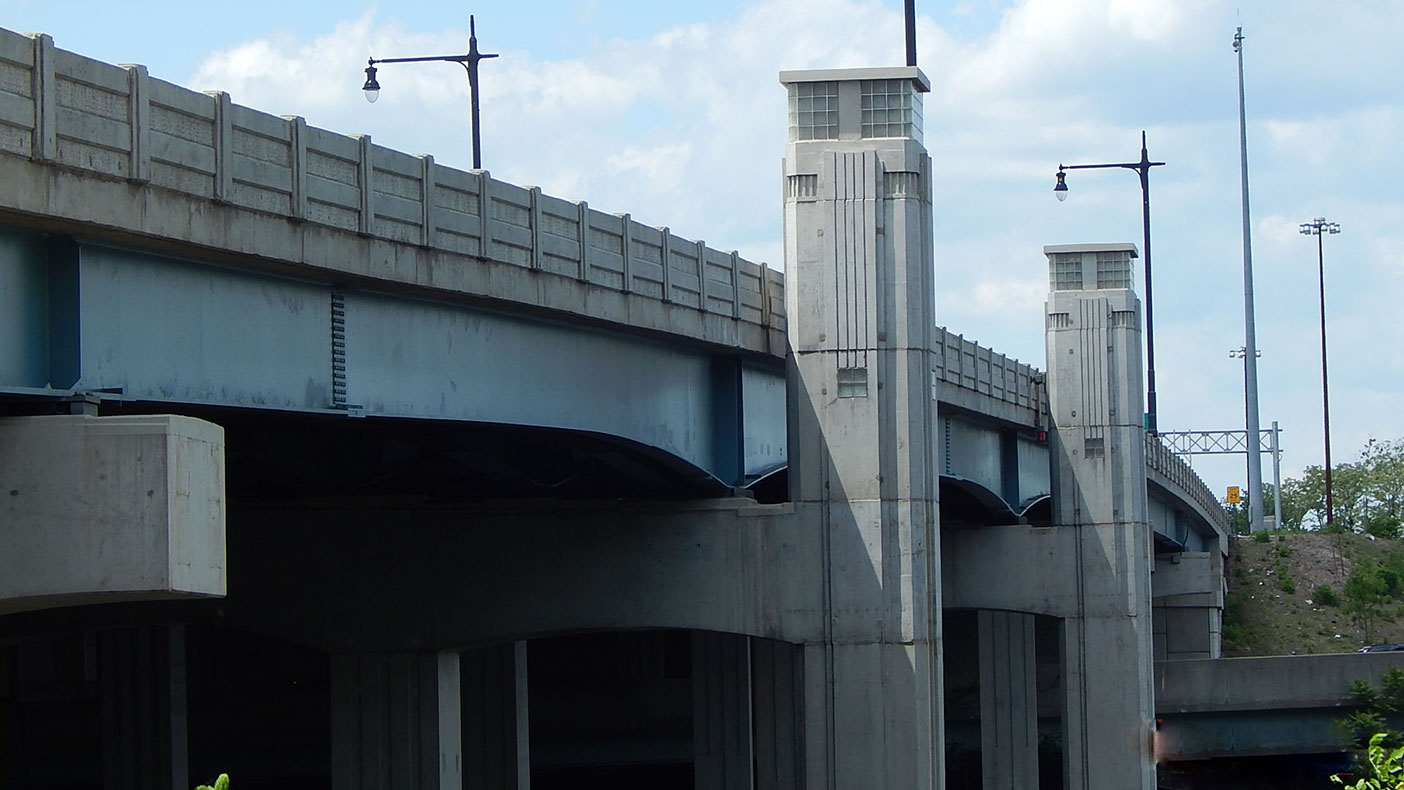
Our designers were challenged to design four two-span curved structures and a 257-foot, single-span curved bridge that accommodated New Jersey's first single point urban interchange (SPUI).
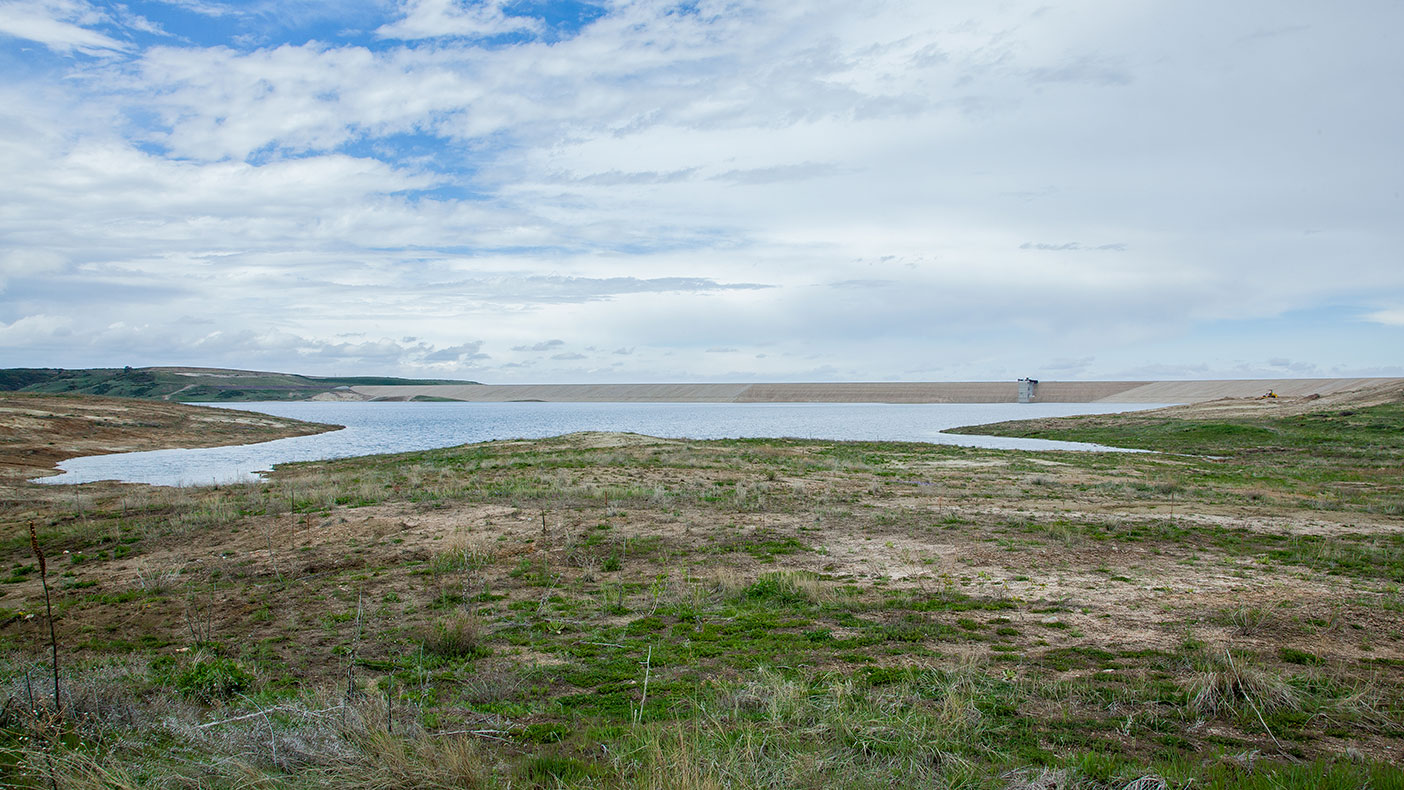
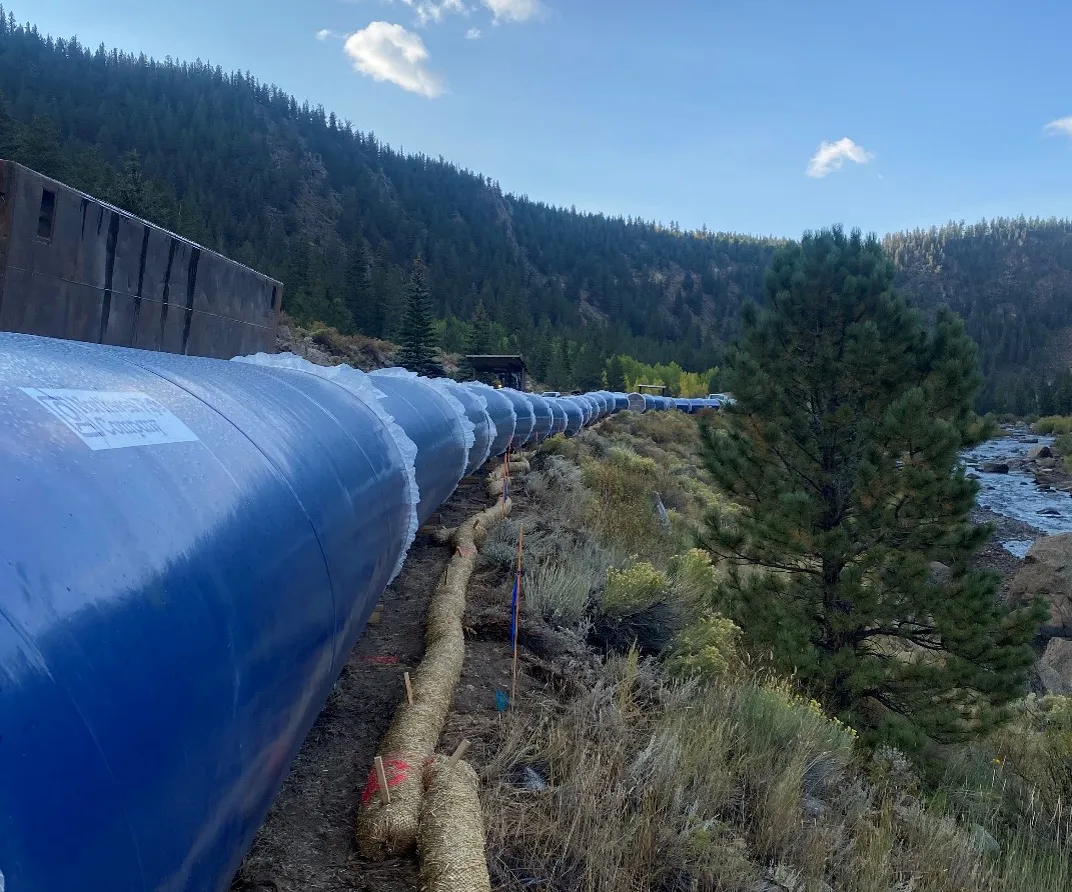
The primary source of raw water comes from the nearby Rueter-Hess Reservoir, which can store 75,000 acre feet of water. The amount of water stored in the photo above is 16,300 acre feet.
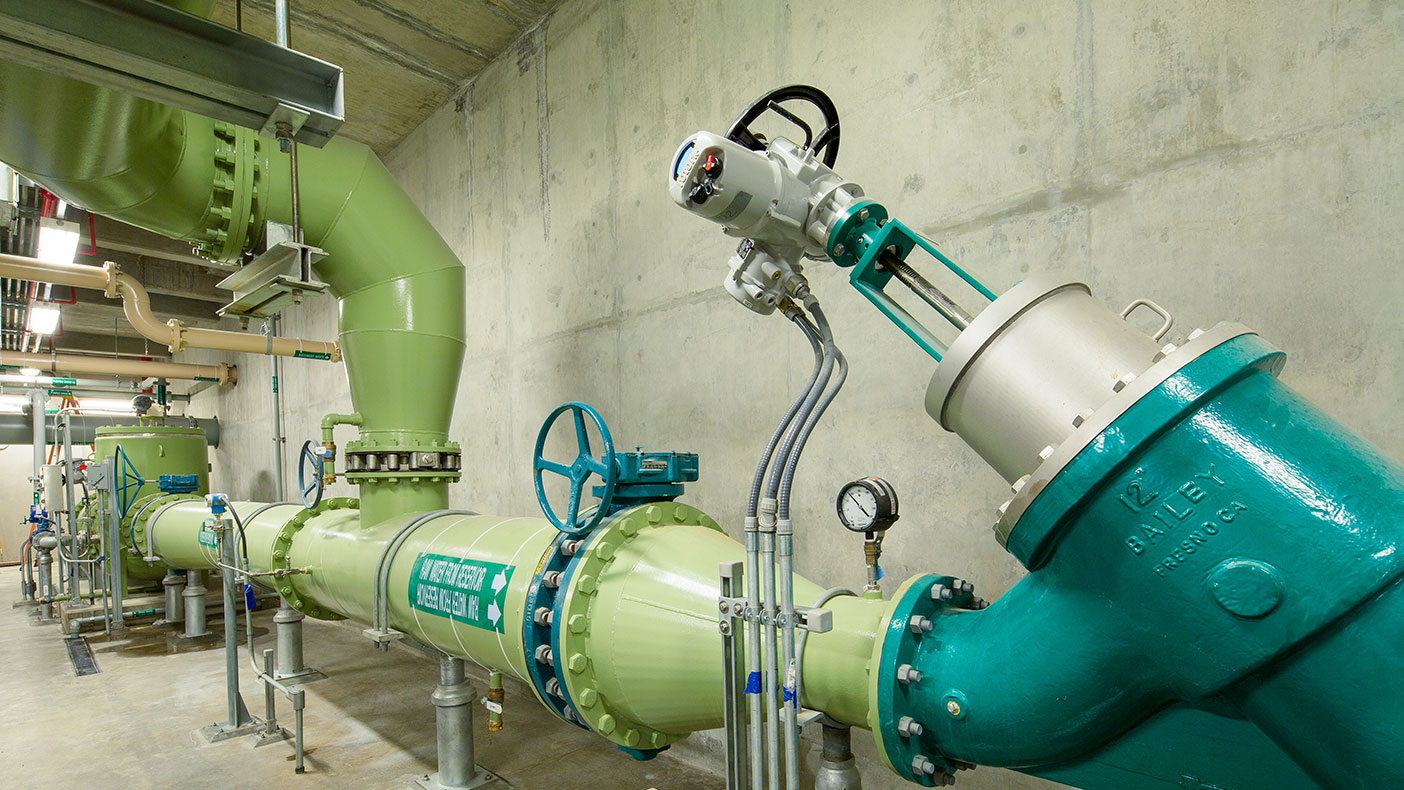
The raw water sourced from the Rueter-Hess Reservoir is gravity fed directly into the purification facility.
- Owner/Client
- Parker Water & Sanitation District
- Location
- Parker, CO
- Services
- Engineering
- Markets
- Water
- Cost
- $50 million
- Award
- 2016 Grand Prize for Environmental Sustainability, Excellence in Environmental Engineering & Science
- Completed
- 2015
- Region
- West
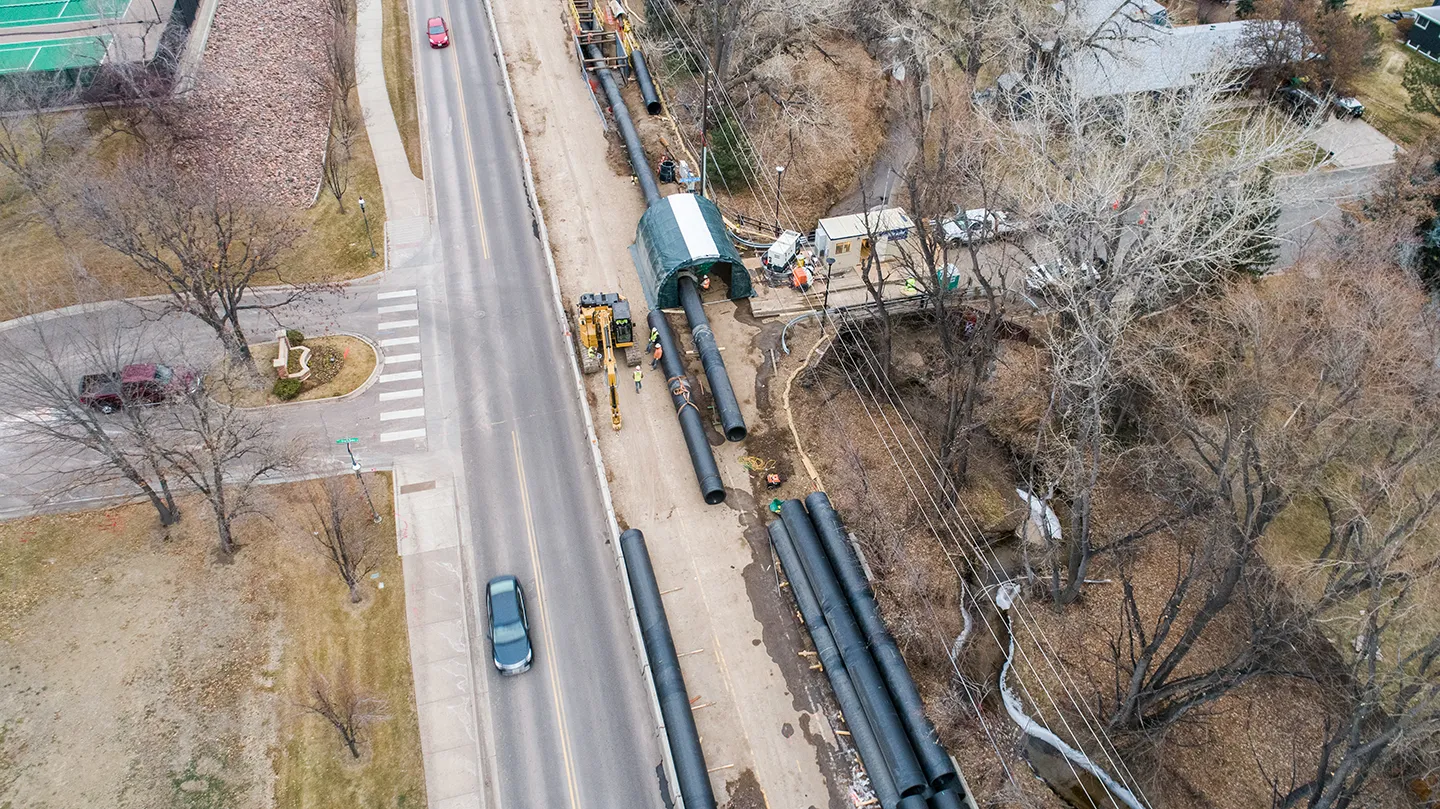
In response to declining groundwater levels in Denver Basin aquifers, communities in the southeastern Denver metro area actively sought alternative water supplies. To meet this challenge, we designed the nation’s first, large-scale potable water treatment facility to use ceramic membrane filter technology. The new Rueter-Hess Water Purification Facility—designed for the Parker Water and Sanitation District in Parker, Colorado—treats a combination of local surface water, alluvial water, and water recycled from reclamation plants.
In addition, the facility uses an innovative recirculating powdered activated carbon (PAC) system to efficiently remove dissolved organic carbon compounds, such as pharmaceuticals, taste and odor compounds, disinfection byproduct precursors, and other unregulated trace organics prior to filtration.
1ST
use of ceramic membrane filters in drinking water treatment facility in the U.S.
10
MGD drinking water treatment facility
Related Projects
- Location
- Lakeland, FL
- Market
- Water
- Location
- New York, NY
- Market
- Water
- Location
- Plant City, FL
- Market
- Community Facilities
- Location
- Louisville, CO